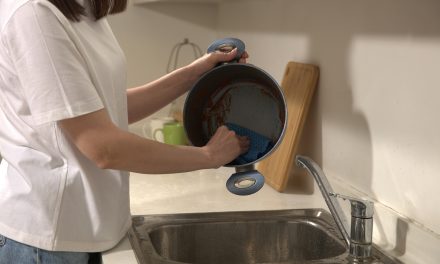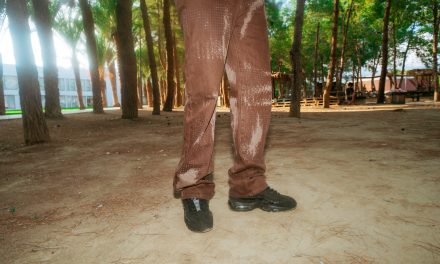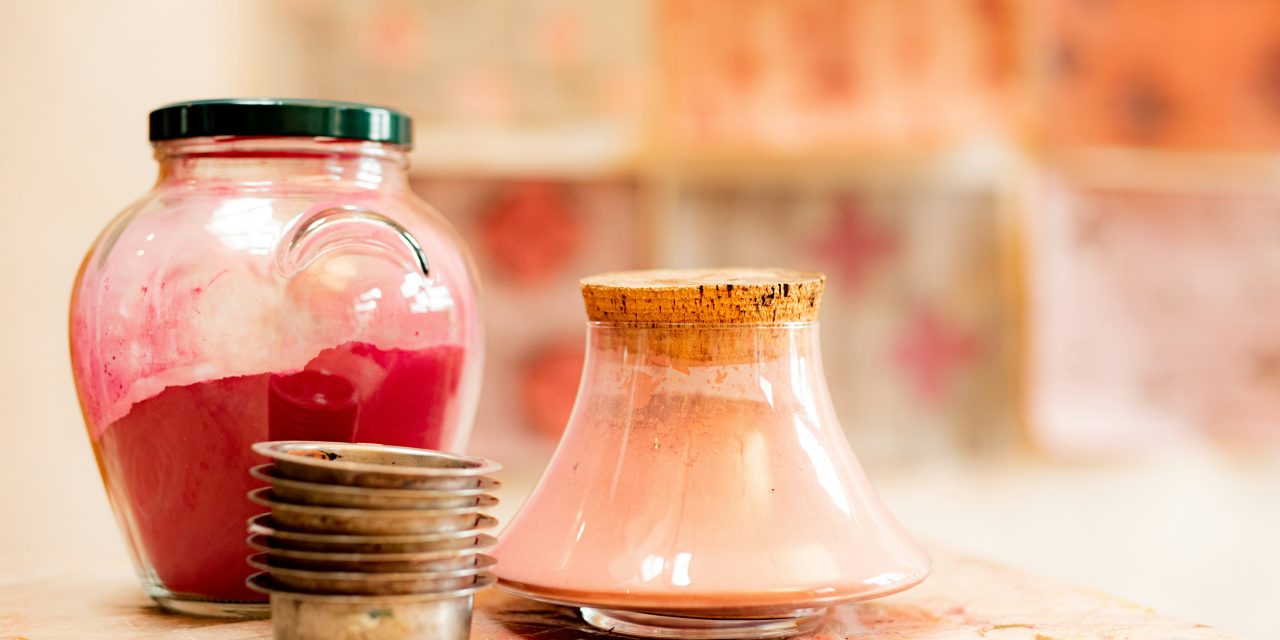
Understanding the type of wax and fabric involved is crucial for effective cleaning. Candle wax typically consists of paraffin, beeswax, or soy, each possessing unique properties that influence removal techniques. Paraffin wax, derived from petroleum, is the most common and can be challenging to eliminate due to its low melting point. Beeswax, on the other hand, is natural and often more pliable, while soy wax is biodegradable and easier to clean. Identifying the wax type will guide your approach to removal.
Equally important is recognizing the fabric composition of your tablecloth or upholstery. Common materials include cotton, polyester, linen, and blends. Each fabric reacts differently to heat and solvents. For instance, cotton can withstand higher temperatures, while synthetic fibers may melt or become discolored. Conducting a patch test on an inconspicuous area can help determine the fabric’s resilience to various cleaning methods.
Preparing Your Cleaning Supplies
Before embarking on the cleaning process, gather all necessary supplies to ensure efficiency and effectiveness. Essential items include paper towels or absorbent cloths, a dull knife or credit card for scraping, an iron or hairdryer for heat application, and a brown paper bag or parchment paper to protect surfaces. Additionally, having a vacuum cleaner on hand can assist in removing any residual wax particles.
For stubborn stains, consider using specialized cleaning agents such as rubbing alcohol or commercial wax removers. These products can penetrate the wax and facilitate its removal. Always read labels for compatibility with your fabric type and perform a patch test to avoid damaging your items. Having a well-organized cleaning station will streamline the process and minimize frustration.
Removing Candle Wax from Tablecloths: Step-by-Step

To effectively remove candle wax from tablecloths, follow a systematic approach. Begin by allowing the wax to cool completely; attempting to remove it while still warm can lead to smearing and further embedding into the fabric fibers. Once cooled, gently scrape off excess wax using a dull knife or credit card. Be cautious not to damage the fabric during this step.
Next, place a brown paper bag or parchment paper over the remaining wax stain. Using an iron set to low heat, gently press down on the paper for several seconds. The heat will melt the wax, allowing it to be absorbed by the paper. Move the iron in circular motions to ensure even heat distribution and prevent scorching the fabric. Repeat this process until no more wax transfers to the paper, then launder the tablecloth as per its care instructions.
Using the Iron Method for Tablecloths

The iron method is one of the most effective techniques for removing wax from tablecloths. This method leverages heat to melt the wax while simultaneously using absorbent materials to lift it away from the fabric. Begin by ensuring that your iron is clean and free from any residue that could transfer onto your tablecloth.
Once you have prepared your materials, position the brown paper bag over the wax stain and set your iron to a low setting without steam. Gently press the iron onto the paper for about 10-15 seconds, allowing the heat to penetrate through to the wax. Lift the iron and check if any wax has transferred onto the paper; if so, reposition it to cover any remaining wax and repeat until no more wax is visible. Afterward, launder according to care instructions to eliminate any residual stains.
Alternative Freezing Method for Tablecloths
For those who prefer a non-heat method, freezing can be an effective alternative for removing candle wax from tablecloths. This technique works by hardening the wax, making it brittle and easier to break away from the fabric fibers. Begin by placing ice cubes in a plastic bag and applying it directly onto the wax stain for approximately 15-20 minutes.
Once the wax has hardened, use a dull knife or credit card to gently scrape away the brittle pieces. Take care not to pull at the fabric itself; instead, work slowly and methodically to avoid causing damage. After removing as much wax as possible, follow up with either the iron method or launder according to care instructions to address any remaining stains.
How to Remove Candle Wax from Carpet Fibers
Removing candle wax from carpet fibers requires a careful approach due to the delicate nature of carpeting materials. Start by allowing the wax to cool completely before attempting removal; this prevents further embedding into the fibers. Once cooled, gently scrape off excess wax using a dull knife or credit card.
After removing as much of the solidified wax as possible, apply one of two methods: heat or freezing. For heat application, place a brown paper bag over the stain and use an iron on low heat to melt and absorb the wax as previously described. Alternatively, you can use ice cubes in a plastic bag to harden any remaining wax before scraping it away.
Using Heat and Absorption Techniques on Carpets
Heat and absorption techniques are particularly effective for carpets due to their fibrous structure. After scraping off excess wax, position a brown paper bag over the stain and apply heat using an iron set on low without steam. The goal is to melt the wax so that it can be absorbed by the paper.
As you apply heat, move the iron in circular motions for even distribution while monitoring closely to prevent damage to your carpet fibers. Once no more wax transfers onto the paper bag, allow the area to cool before vacuuming any residual particles. If necessary, treat any remaining stains with a carpet cleaner suitable for your carpet type.
Cleaning Wax from Upholstered Furniture
Upholstered furniture presents unique challenges when it comes to removing candle wax due to its varied fabrics and padding materials. Begin by allowing any spilled wax to cool completely before attempting removal. Carefully scrape off excess wax with a dull knife or credit card without damaging the upholstery.
For effective cleaning, consider using either heat or freezing methods based on your upholstery type. If opting for heat, place a brown paper bag over the stain and use an iron on low heat as previously described. For delicate fabrics that may not withstand heat well, use ice cubes in a plastic bag to harden the wax before scraping it away gently.
Removing Wax from Wooden Furniture Surfaces
Removing candle wax from wooden furniture requires caution to avoid damaging finishes or surfaces. Start by allowing any spilled wax to cool completely before attempting removal. Use a dull knife or credit card to gently scrape off excess wax without scratching the wood.
Once you have removed as much of the solidified wax as possible, consider using a hairdryer on low heat setting to gently warm any remaining residue. Hold it at a distance of about six inches from the surface and move it in circular motions until the wax softens enough for you to wipe it away with a soft cloth. Afterward, clean the area with a wood-safe cleaner to restore shine and remove any residual stickiness.
Dealing with Residual Stains and Odors
Even after successfully removing candle wax from various surfaces, residual stains or odors may linger. To address these issues effectively, consider using specialized stain removers designed for your specific material type—whether fabric, carpet, or wood.
For lingering odors associated with candle wax, consider using baking soda as an absorbent agent. Sprinkle baking soda over affected areas and allow it to sit for several hours before vacuuming it up. This method helps neutralize odors without introducing harsh chemicals that could damage surfaces.
Preventative Tips to Avoid Future Wax Spills
Preventing future candle wax spills involves strategic placement and careful handling of candles during use. Consider using candle holders designed specifically for stability and spill prevention; these holders often feature drip trays that catch excess wax before it reaches surfaces.
Additionally, avoid placing candles near drafts or high-traffic areas where they may be knocked over easily. When lighting candles, ensure they are placed on stable surfaces away from flammable materials. Educating household members about safe candle usage can also significantly reduce spill risks.
In summary, effectively removing candle wax from various surfaces requires understanding both the type of wax involved and the material being cleaned. Utilizing methods such as heat application or freezing can yield successful results when executed carefully. Always prepare your cleaning supplies in advance and consider preventative measures for future spills to maintain your home’s cleanliness and integrity.