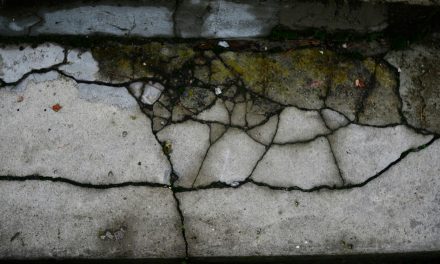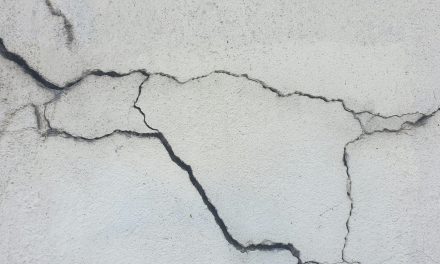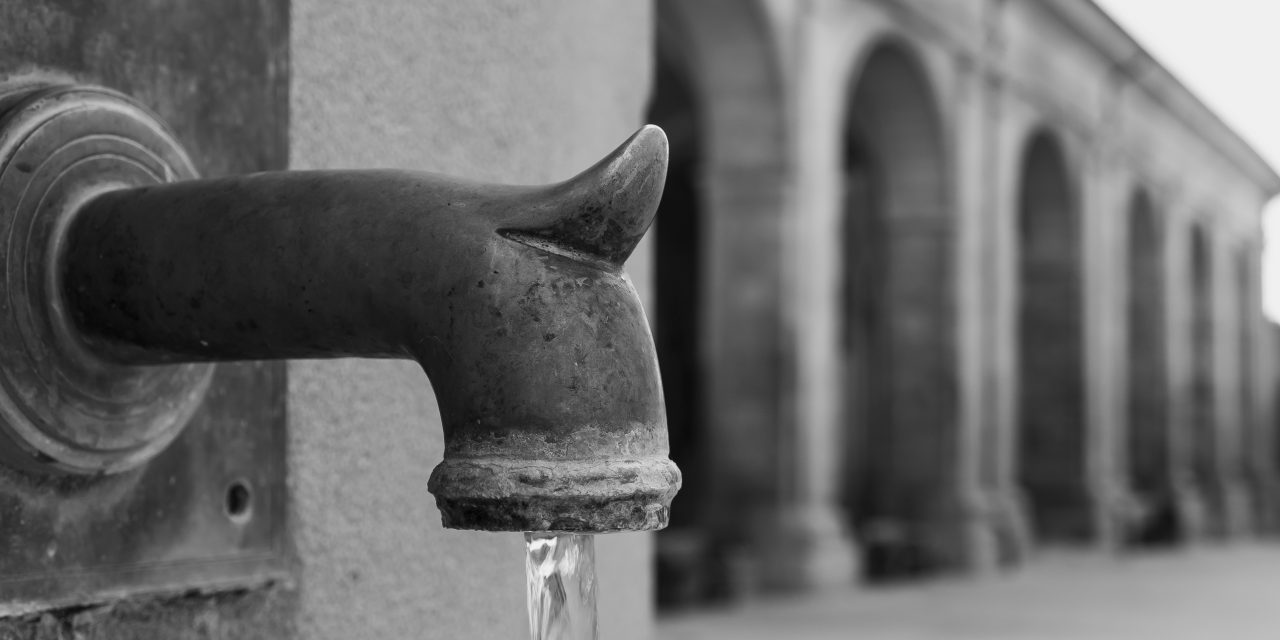
As winter approaches, the importance of winterizing outdoor faucets cannot be overstated. Failing to prepare these fixtures for freezing temperatures can lead to significant plumbing issues, including burst pipes and costly repairs. When water freezes within the faucet or the connected pipes, it expands, exerting pressure on the walls of the plumbing system. This pressure can cause cracks or ruptures, leading to leaks that may not become apparent until spring, resulting in extensive water damage and mold growth.
Moreover, winterizing outdoor faucets is not merely a precaution; it is a necessary step in maintaining the integrity of your home’s plumbing system. By taking proactive measures, homeowners can avoid the inconvenience of emergency repairs during the cold months. Additionally, ensuring that outdoor plumbing is properly winterized contributes to overall energy efficiency, as it prevents unnecessary heat loss and reduces the risk of water wastage due to leaks.
Tools and Materials Needed for Winterizing
To effectively winterize outdoor faucets, a few essential tools and materials are required. First and foremost, a pair of adjustable wrenches is crucial for loosening and tightening fittings. A bucket or basin will be helpful for collecting any residual water during the draining process. Additionally, a garden hose can be used to flush out any remaining water in the system.
Other materials include faucet covers, which provide insulation against freezing temperatures, and pipe insulation sleeves for added protection on exposed pipes. A utility knife may also be necessary for cutting insulation material to size. Lastly, a plumber’s tape can be used to ensure a watertight seal when reattaching fittings. Having these tools and materials on hand will streamline the winterization process and ensure that all necessary steps are completed efficiently.
Locating Your Outdoor Faucets and Hose Bibs

Before beginning the winterization process, it is essential to locate all outdoor faucets and hose bibs on your property. These fixtures are typically found on exterior walls of the home, often near gardens or driveways. In some cases, there may be multiple hose bibs, especially in larger properties or homes with extensive landscaping.
Once located, it is advisable to inspect each faucet for any signs of wear or damage. Look for cracks in the faucet body or corrosion around the fittings. Identifying these issues early can prevent complications during the winterization process and ensure that repairs can be made before freezing temperatures set in.
Turning Off the Water Supply to Exterior Faucets

The next critical step in winterizing outdoor faucets is turning off the water supply to these fixtures. Most homes have a dedicated shut-off valve for exterior faucets located inside the basement or crawl space. This valve controls the flow of water to the outdoor plumbing system and should be turned clockwise to close it.
After shutting off the valve, it is advisable to label it clearly for future reference. This will help prevent confusion during subsequent winters when preparing for cold weather. Once the valve is closed, it is essential to ensure that no water remains in the pipes leading to the outdoor faucets, as any residual water can freeze and cause damage.
Draining Water from Outdoor Faucets and Hose Bibs
With the water supply turned off, the next step involves draining any remaining water from outdoor faucets and hose bibs. Begin by opening each faucet fully to allow gravity to assist in expelling any trapped water. It is important to leave these faucets open throughout the winterization process to prevent any vacuum effect that could trap water inside.
For hose bibs equipped with a drain valve, open this valve as well to facilitate complete drainage. If there are multiple hose bibs connected by a single line, it may be necessary to drain them sequentially to ensure all water is expelled from the system. This thorough draining process is crucial in preventing freezing-related damage during harsh winter conditions.
Using Faucet Covers to Protect Against Freezing
Once outdoor faucets have been drained, utilizing faucet covers is an effective way to provide additional protection against freezing temperatures. These covers are typically made from insulated materials designed to trap heat and prevent frost from forming on the faucet itself. They are easy to install and can be found at most hardware stores.
To use faucet covers effectively, simply place them over each faucet and secure them according to the manufacturer’s instructions. Ensure that they fit snugly against the wall to minimize exposure to cold air. This added layer of insulation can significantly reduce the risk of freezing and subsequent damage during extreme weather conditions.
Installing Frost-Free Hose Bibs for Added Protection
For homeowners looking for a long-term solution to prevent freezing issues, installing frost-free hose bibs is an excellent option. These specialized faucets are designed with a longer stem that extends into the warmer interior of the home, effectively preventing freezing at the point where water exits.
When installing frost-free hose bibs, it is essential to follow manufacturer guidelines carefully. Proper installation involves ensuring that the faucet slopes downward toward the exterior wall, allowing any residual water to drain back into the house rather than remaining in the fixture. While this installation may require some plumbing expertise, it is a worthwhile investment that can save homeowners from future headaches associated with frozen pipes.
Disconnecting and Storing Garden Hoses Properly
An often-overlooked aspect of winterizing outdoor faucets is properly disconnecting and storing garden hoses. Leaving hoses connected during winter can lead to trapped water that freezes and damages both the hose and the faucet itself. To prevent this issue, disconnect all hoses from their respective bibs and drain them thoroughly.
After draining, store hoses in a dry location such as a garage or shed. Coiling them neatly will prevent kinks and prolong their lifespan. Additionally, consider using hose reels or storage bins specifically designed for garden hoses to keep them organized and protected from harsh weather conditions.
Insulating Pipes Leading to Outdoor Faucets
In addition to protecting outdoor faucets themselves, insulating pipes leading to these fixtures is crucial for preventing freezing issues. Exposed pipes are particularly vulnerable during cold snaps, as they are directly exposed to frigid air temperatures. Pipe insulation sleeves made from foam or fiberglass can be easily applied around these vulnerable areas.
When insulating pipes, ensure that all sections are covered completely without gaps. Pay special attention to corners and joints where cold air may seep in more easily. This added layer of protection will help maintain a stable temperature within the pipes and reduce the risk of freezing.
Checking for Leaks and Repairing Before Winter
Before concluding your winterization efforts, it is vital to check for leaks in both outdoor faucets and connected plumbing systems. Inspect all fittings for signs of moisture or corrosion that could indicate a leak. If any leaks are detected, they should be repaired promptly to prevent further complications during winter months.
Common repair methods include tightening loose fittings or replacing worn washers within faucets. For more significant leaks or damage, consulting with a licensed plumber may be necessary to ensure proper repairs are made before winter sets in.
Seasonal Maintenance Tips to Prevent Future Damage
To maintain outdoor faucets effectively throughout the year, consider implementing seasonal maintenance tips that can prevent future damage. Regularly inspect faucets for signs of wear or corrosion during warmer months and address any issues immediately. Additionally, ensure that gutters and downspouts are clear of debris to prevent water from pooling near foundation walls.
During fall months, take time to prepare your landscaping by trimming back plants that may obstruct access to outdoor plumbing fixtures. This proactive approach will make future winterization efforts easier and more efficient.
In summary, winterizing outdoor faucets is an essential task that protects your home’s plumbing system from freezing temperatures and potential damage. By following a systematic approach—locating faucets, turning off water supplies, draining residual water, using protective covers, installing frost-free bibs, properly storing hoses, insulating pipes, checking for leaks, and performing seasonal maintenance—homeowners can safeguard their properties against costly repairs while ensuring peace of mind throughout winter months.
FAQs
What is the purpose of winterizing outdoor faucets and hose bibs?
Winterizing outdoor faucets and hose bibs is essential to prevent water from freezing inside the pipes, which can lead to burst pipes and costly repairs. By properly preparing these fixtures for cold weather, homeowners can ensure that their plumbing system remains intact and functional when spring arrives.
When should I winterize my outdoor faucets?
It is recommended to winterize outdoor faucets and hose bibs before the first hard freeze of the season. This typically occurs in late fall, depending on your geographical location. Monitoring local weather forecasts can help you determine the best time to perform this maintenance task.
What steps are involved in winterizing outdoor faucets?
The process of winterizing outdoor faucets generally includes shutting off the water supply to the faucet, draining any remaining water from the faucet and connected hoses, and insulating the faucet with a cover or foam insulation. Additionally, it is advisable to remove and store hoses in a dry location to prevent damage from freezing temperatures.
Do I need to use antifreeze when winterizing outdoor faucets?
Using antifreeze is not typically necessary for outdoor faucets, as the primary goal is to drain the water completely from the system. However, if you live in an area with extremely cold temperatures, some homeowners choose to add non-toxic antifreeze to the faucet after draining it as an extra precaution. Always check local regulations regarding the use of antifreeze in outdoor plumbing.
Can I winterize my outdoor faucets myself, or should I hire a professional?
Most homeowners can successfully winterize their outdoor faucets themselves with basic tools and knowledge. The process is straightforward and can usually be completed in a short amount of time. However, if you are unsure or uncomfortable performing the task, hiring a professional plumber is a good option to ensure it is done correctly.