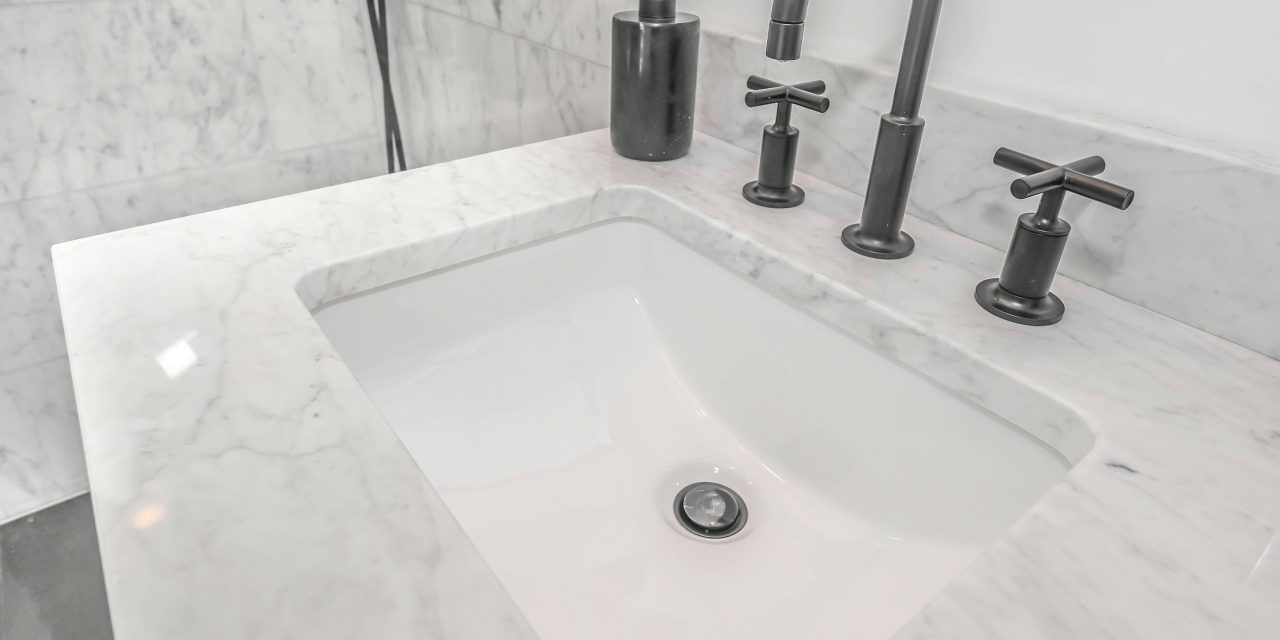
A slow-draining bathroom sink can be an annoyance that disrupts daily routines. Recognizing the signs early can prevent more significant plumbing issues down the line. The most apparent indication is the water pooling in the basin, taking longer than usual to disappear. This stagnation can lead to unpleasant odors, as stagnant water often becomes a breeding ground for bacteria and mold. Additionally, you may notice gurgling sounds emanating from the drain, which can indicate air trapped in the plumbing system due to a blockage.
Another sign to watch for is the presence of debris or residue around the sink area. Hair, soap scum, and toothpaste remnants can accumulate over time, contributing to drainage issues. If you find yourself frequently needing to run the faucet longer to achieve proper drainage, it’s time to investigate further. Ignoring these symptoms can lead to more severe plumbing problems, including complete blockages or even damage to the plumbing infrastructure.
Common Causes of Slow Drainage in Bathroom Sinks
Understanding the underlying causes of slow drainage is crucial for effective remediation. One of the most common culprits is the accumulation of organic matter, such as hair and soap residue, which can create a dense clog within the pipes. Over time, these materials can build up and restrict water flow, leading to frustrating drainage issues. Additionally, mineral deposits from hard water can accumulate within the pipes, narrowing their diameter and exacerbating slow drainage.
Another significant factor is improper installation or design of plumbing fixtures. If the sink’s drain line is not adequately sloped, gravity cannot assist in moving water efficiently through the pipes. Furthermore, foreign objects accidentally dropped into the sink can also cause blockages. Items such as toothbrushes, makeup applicators, or even small toys can obstruct water flow and lead to slow drainage.
Gathering the Necessary Tools and Materials

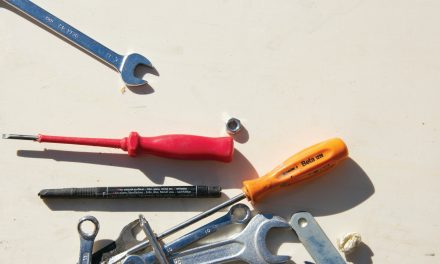
Before attempting any DIY solutions for a slow-draining sink, it is essential to gather the appropriate tools and materials. A basic toolkit should include a plunger, which is effective for minor clogs; a drain snake for more stubborn blockages; and a bucket to catch any residual water during cleaning processes. Additionally, having rubber gloves on hand is advisable to maintain hygiene while working with potentially dirty plumbing components.
For chemical solutions, household items like baking soda and vinegar can be invaluable. These substances are not only effective but also environmentally friendly alternatives to harsh chemical drain cleaners. If you plan to disassemble parts of your sink, a wrench or pliers may be necessary for loosening fittings. Having these tools ready will streamline the process and minimize frustration during repairs.
Removing and Cleaning the Sink Stopper

One of the first steps in addressing slow drainage is removing and cleaning the sink stopper. The stopper can trap hair and debris, contributing significantly to clogs. To begin, locate the mechanism that controls the stopper—this may involve unscrewing a knob or pulling a lever. Once detached, carefully lift out the stopper from its housing.
After removal, inspect the stopper for any accumulated grime or hair. Use warm soapy water and a soft brush to clean it thoroughly. If you notice significant buildup, soaking it in a vinegar solution can help dissolve stubborn residues. Once cleaned, reinsert the stopper into its original position and ensure it operates smoothly before testing the sink’s drainage capabilities.
Using a Plunger to Clear Minor Clogs
For minor clogs that do not require extensive disassembly, a plunger can be an effective tool for restoring proper drainage. Begin by ensuring that there is enough water in the sink to cover the plunger’s rubber cup completely. This water creates a seal that enhances suction during plunging.
Position the plunger over the drain opening and apply firm downward pressure followed by an upward pull without breaking the seal. Repeat this motion several times—typically 10 to 15 thrusts should suffice for minor blockages. After plunging, run hot water down the drain to check if drainage has improved. If successful, this method can save time and effort compared to more invasive techniques.
Applying a Baking Soda and Vinegar Solution
A natural remedy for slow-draining sinks involves using a baking soda and vinegar solution. This combination creates a chemical reaction that can help break down organic matter clogging the pipes. Begin by pouring approximately half a cup of baking soda directly into the drain followed by an equal amount of vinegar.
Allow this mixture to sit for about 30 minutes; during this time, it will fizz and bubble as it works through any buildup in the pipes. Afterward, flush the drain with hot water to wash away any loosened debris. This method is not only effective but also safe for your plumbing system and environmentally friendly compared to commercial drain cleaners.
Manually Clearing the P-Trap
The P-trap is a curved section of pipe located beneath your sink designed to prevent sewer gases from entering your home while also trapping debris. Over time, this area can become clogged with hair, soap scum, and other materials. To manually clear it, start by placing a bucket underneath to catch any water that may spill during disassembly.
Using a wrench or pliers, carefully loosen the slip nuts on either side of the P-trap and remove it from its position. Inspect both ends for clogs and clean them thoroughly with warm soapy water or a brush. Once cleared, reassemble the P-trap securely and test for leaks by running water through it.
Utilizing a Drain Snake for Stubborn Blockages
When faced with stubborn blockages that resist other methods, a drain snake can be an invaluable tool. This flexible auger is designed to navigate through pipes and dislodge clogs that are otherwise inaccessible. Begin by inserting the snake into the drain opening until you encounter resistance—this indicates that you have reached the clog.
Rotate the handle of the snake while pushing forward gently; this motion helps break apart or latch onto debris within the pipe. Once you feel that you have cleared the blockage, slowly retract the snake while continuing to rotate it to avoid snagging on any remaining debris. After removal, flush the drain with hot water to ensure smooth flow.
Preventative Maintenance Tips to Avoid Future Clogs
Preventing future clogs requires proactive maintenance strategies that promote healthy plumbing practices. One effective method is regularly cleaning your sink’s stopper and drain area to remove hair and soap residue before they accumulate into significant blockages. Additionally, consider using a drain strainer or hair catcher to trap debris before it enters your plumbing system.
Another preventative measure involves flushing your drains periodically with hot water or a baking soda-vinegar solution to dissolve any potential buildup before it becomes problematic. Educating household members about what should not be disposed of down the sink—such as grease or large food particles—can also significantly reduce clogging incidents.
When to Call a Professional Plumber
While many slow-draining issues can be resolved through DIY methods, certain situations warrant professional intervention. If you have attempted multiple remedies without success or if you notice recurring drainage problems despite your efforts at maintenance, it may be time to consult a licensed plumber. They possess specialized tools and expertise that allow them to diagnose underlying issues accurately.
Additionally, if you experience multiple drains in your home backing up simultaneously or if you detect foul odors emanating from your plumbing system, these could indicate more severe problems within your sewer line that require immediate attention from professionals.
Safety Precautions and Environmental Considerations
When addressing plumbing issues, safety should always be a priority. Wearing rubber gloves protects your hands from bacteria and harsh chemicals while working on drains or plumbing fixtures. Ensure proper ventilation when using chemical solutions; inhaling fumes can pose health risks.
From an environmental standpoint, opting for natural cleaning solutions like baking soda and vinegar minimizes harmful impacts on local ecosystems compared to traditional chemical drain cleaners that may contain corrosive substances harmful to aquatic life.
In summary, recognizing signs of slow drainage early allows homeowners to take proactive measures before issues escalate into costly repairs. Understanding common causes helps in identifying appropriate solutions ranging from simple DIY methods like plunging or using natural remedies to more involved techniques such as clearing P-traps or utilizing drain snakes. Regular maintenance practices can significantly reduce future clogs while knowing when to call professionals ensures that serious plumbing issues are addressed promptly and effectively.
FAQs
What are common causes of a slow-draining bathroom sink?
Common causes of a slow-draining bathroom sink include hair buildup, soap scum accumulation, toothpaste residue, and foreign objects lodged in the drain. Over time, these materials can create blockages that impede water flow.
What tools do I need to unclog a slow-draining bathroom sink?
To unclog a slow-draining bathroom sink, you may need tools such as a plunger, a drain snake or auger, a bucket, and possibly a pair of gloves. Additionally, household items like baking soda and vinegar can be effective for minor clogs.
How can I use baking soda and vinegar to unclog my sink?
To use baking soda and vinegar, first, pour about half a cup of baking soda down the drain, followed by half a cup of vinegar. Allow the mixture to fizz and sit for about 30 minutes, then flush the drain with hot water to help clear any remaining debris.
When should I call a plumber for a slow-draining sink?
You should call a plumber if you have tried multiple DIY methods without success, if the clog is recurring, or if you notice water backing up in other fixtures. Persistent issues may indicate a more serious plumbing problem that requires professional attention.
Can chemical drain cleaners be used to unclog a bathroom sink?
Chemical drain cleaners can be used, but they should be approached with caution. These products can be harsh on pipes and may not be effective for all types of clogs. It’s often safer and more environmentally friendly to try mechanical methods or natural solutions first.