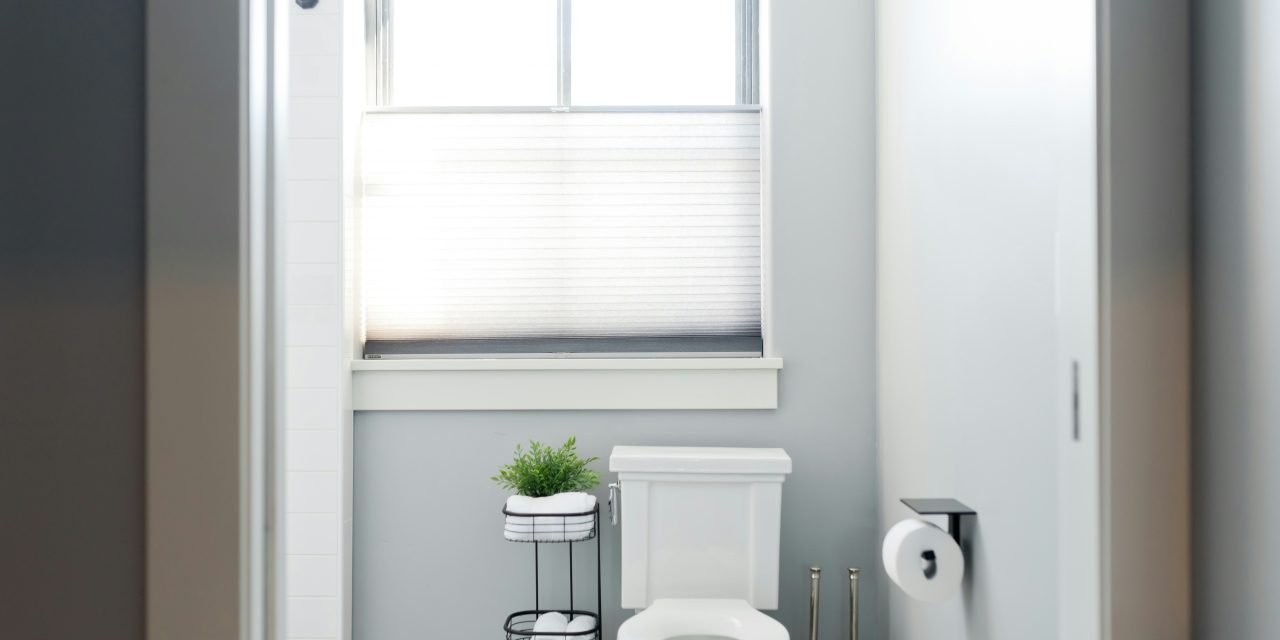
Toilets are marvels of engineering that utilize a combination of gravity, water pressure, and mechanical components to effectively dispose of waste. The flushing mechanism begins when the user presses the flush handle, which activates the flapper valve at the bottom of the tank. This action allows water to rush from the tank into the bowl, creating a siphoning effect that pulls waste down through the trap and into the drain line. The design of the toilet ensures that a sufficient volume of water is released to facilitate this process, while also preventing backflow.
The toilet’s anatomy consists of several critical components, including the tank, bowl, flapper valve, fill valve, and trap. Each part plays a vital role in ensuring that the toilet functions correctly. Understanding how these components interact can help homeowners troubleshoot common issues that may arise over time. Regular maintenance and awareness of potential problems can significantly extend the lifespan of a toilet and enhance its efficiency.
Cause 1: Clogged Toilet Bowl
One of the most prevalent issues encountered by homeowners is a clogged toilet bowl. This condition occurs when waste or foreign objects obstruct the passageway within the bowl or trap. Common culprits include excessive toilet paper, sanitary products, or even children’s toys inadvertently flushed down. When a clog occurs, it can lead to slow drainage or complete blockage, resulting in an overflow situation that can cause significant water damage.
To address a clogged toilet bowl, homeowners can utilize a plunger or a toilet auger. A plunger creates suction that can dislodge minor clogs, while an auger is more effective for deeper blockages. In severe cases where these methods fail, it may be necessary to remove the toilet from its base to access and clear the obstruction directly. Regularly educating family members about what can and cannot be flushed can help prevent this issue from recurring.
Cause 2: Blocked Trap or Drain Pipe

A blocked trap or drain pipe is another common reason for toilet malfunction. The trap is designed to hold a small amount of water to prevent sewer gases from entering the home; however, it can become obstructed by debris over time. Additionally, the drain pipe leading away from the toilet may accumulate buildup from grease, hair, or other materials that can restrict flow.
To remedy this situation, homeowners should first inspect the trap for visible blockages. If necessary, a plumbing snake can be employed to clear deeper obstructions within the drain pipe. In some cases, chemical drain cleaners may be effective; however, caution should be exercised as these substances can damage pipes if used excessively. Regular maintenance, such as periodic snaking of drains and avoiding flushing inappropriate items, can help mitigate this issue.
Cause 3: Faulty Flapper Valve

The flapper valve is a crucial component that controls water flow from the tank to the bowl during flushing. If this valve becomes faulty due to wear and tear or mineral buildup, it may not seal properly, leading to continuous water leakage into the bowl. This condition not only wastes water but can also result in higher utility bills and potential damage to surrounding areas.
To diagnose a faulty flapper valve, homeowners can perform a simple dye test by adding food coloring to the tank and observing if it seeps into the bowl without flushing. If leakage is detected, replacing the flapper is typically straightforward and can be accomplished with minimal tools. Regular inspections of this component can prevent unnecessary water loss and ensure optimal flushing performance.
Cause 4: Broken or Disconnected Chain
The chain connecting the flush handle to the flapper valve plays an essential role in initiating the flushing process. If this chain becomes broken or disconnected, it will prevent the flapper from lifting when the handle is pressed, resulting in no water flow into the bowl. This issue is often overlooked but can easily be resolved with minimal effort.
To fix a broken chain, homeowners should first inspect its length and connection points. If it is too long or tangled, adjusting its length may restore functionality. In cases where the chain is damaged beyond repair, replacing it with a new one is a simple task that can be completed in minutes. Regular checks on this component can help ensure that flushing remains efficient and reliable.
Cause 5: Low Water Level in the Tank
A low water level in the tank can significantly impact a toilet’s flushing ability. The tank must fill to an appropriate level to provide sufficient force for an effective flush. Factors contributing to low water levels include improper float adjustment or issues with the fill valve that prevent adequate water intake.
To address this issue, homeowners should first check the float mechanism to ensure it is set correctly. Adjusting the float arm or replacing it if damaged can restore proper water levels. If problems persist, inspecting and potentially replacing the fill valve may be necessary to ensure optimal performance. Maintaining appropriate water levels not only enhances flushing efficiency but also conserves water usage.
Cause 6: Malfunctioning Fill Valve
The fill valve is responsible for refilling the tank after each flush. If this component malfunctions due to wear or mineral buildup, it may fail to refill adequately or may leak continuously. A malfunctioning fill valve can lead to inconsistent flushing performance and increased water bills.
To troubleshoot a malfunctioning fill valve, homeowners should listen for unusual sounds during refilling or observe for leaks around its base. Cleaning or replacing the fill valve may be necessary if mineral deposits are present or if it shows signs of wear. Regular maintenance of this component ensures that tanks refill efficiently and helps maintain overall toilet functionality.
Cause 7: Flushing Too Much Toilet Paper
Flushing excessive amounts of toilet paper is a common mistake that can lead to clogs and inefficient flushing. While modern toilets are designed to handle typical usage amounts, overloading them with paper can overwhelm their capacity and lead to blockages in both the bowl and drain lines.
To prevent this issue, homeowners should educate family members about appropriate amounts of toilet paper to use per flush. Additionally, providing alternatives such as bidets or wet wipes (that are safe for flushing) can help reduce reliance on toilet paper alone. Encouraging mindful flushing habits can significantly decrease instances of clogs and enhance overall toilet performance.
Cause 8: Vent Pipe Blockage
The vent pipe plays a crucial role in maintaining proper air pressure within plumbing systems, allowing waste to flow smoothly through pipes. A blockage in this venting system can create negative pressure that hinders drainage and leads to slow-flushing toilets or gurgling sounds during use.
To address vent pipe blockages, homeowners should inspect accessible areas for debris or obstructions such as leaves or nests from birds or rodents. In some cases, professional assistance may be required to clear blockages located higher up in the venting system. Regular inspections of vent pipes can help maintain optimal airflow and prevent plumbing issues from arising.
Cause 9: Hard Water Buildup and Mineral Deposits
Hard water contains high levels of minerals such as calcium and magnesium that can accumulate over time within toilet components, leading to reduced efficiency and potential malfunctions. Mineral deposits can affect various parts of the toilet system, including the flapper valve and fill valve, causing them to operate improperly.
To combat hard water buildup, homeowners should consider installing a water softener system that reduces mineral content in their water supply. Regular cleaning with vinegar or specialized descaling agents can also help remove existing deposits from toilet components. Maintaining clean fixtures not only enhances performance but also prolongs their lifespan.
Cause 10: Old or Damaged Toilet Components and When to Replace Them
Over time, various components within a toilet may wear out due to age or repeated use. Identifying signs of deterioration—such as cracks in porcelain, rusted metal parts, or persistent leaks—can indicate that replacement is necessary for optimal functionality.
Homeowners should regularly inspect their toilets for signs of wear and consider replacing components such as flapper valves, fill valves, and even entire toilets if they are outdated or inefficient models. Upgrading to modern fixtures can improve water efficiency and reduce utility costs significantly over time.
In summary, understanding how toilets function and recognizing common issues can empower homeowners to maintain their plumbing systems effectively. By addressing clogs, faulty components, and other potential problems proactively, individuals can ensure their toilets operate efficiently while minimizing costly repairs and water waste. Regular maintenance practices combined with awareness of proper usage will contribute significantly to long-term satisfaction with one of the most essential fixtures in any home.
### FAQ Section
1. **What should I do if my toilet won’t flush?**
– Check for clogs in the bowl or drain pipe first; use a plunger or auger if necessary.
– Inspect the flapper valve for proper sealing; replace if faulty.
– Ensure that the fill valve is functioning correctly and that there’s enough water in the tank.
2. **How often should I replace my toilet components?**
– It’s advisable to inspect components annually; replace parts like flappers every 3-5 years depending on usage.
3. **Can I use chemical drain cleaners on my toilet?**
– While some chemical cleaners are safe for toilets, frequent use may damage pipes; consider mechanical methods first.
4. **What are signs of hard water damage in my toilet?**
– Look for mineral buildup around fixtures, slow drainage, or discoloration in the bowl.
5. **Is it normal for my toilet to make noise after flushing?**
– Some noise is normal during refilling; however, persistent sounds may indicate issues with the fill valve or float mechanism.
6. **How do I know if my vent pipe is blocked?**
– Gurgling sounds during flushing or slow drainage are indicators; inspect accessible areas for visible obstructions.
7. **What’s the best way to clean my toilet?**
– Use a mixture of vinegar and baking soda for natural cleaning; commercial toilet cleaners are also effective but should be used sparingly.
8. **Can I fix my toilet myself?**
– Many minor repairs are manageable with basic tools; however, complex issues may require professional assistance.
9. **What type of toilet paper is best for preventing clogs?**
– Opt for biodegradable or septic-safe brands designed to break down easily in water.
10. **When should I consider replacing my entire toilet?**
– If your toilet frequently malfunctions despite repairs or if it’s an older model consuming excessive water per flush (more than 1.6 gallons), replacement may be warranted.
In conclusion, understanding how toilets function and recognizing common issues empowers homeowners to maintain their plumbing systems effectively while minimizing costly repairs and water waste through proactive measures and regular maintenance practices.
FAQs
What are the most common reasons a toilet won’t flush?
The most common reasons a toilet won’t flush include a clogged toilet, a faulty flapper valve, a broken lift chain, insufficient water in the tank, or issues with the toilet’s fill valve. Each of these problems can prevent the toilet from functioning properly.
How can I tell if my toilet is clogged?
You can tell if your toilet is clogged if the water rises significantly in the bowl after flushing and does not go down, or if it takes a long time to drain. You may also notice that the toilet makes gurgling sounds or that it flushes weakly.
What should I do if the flapper valve is faulty?
If the flapper valve is faulty, you should replace it. To do this, turn off the water supply to the toilet, drain the tank, and remove the old flapper. Install a new flapper according to the manufacturer’s instructions, ensuring it creates a proper seal.
How can I fix a broken lift chain?
To fix a broken lift chain, first, remove the tank lid and inspect the chain. If it is broken, you can purchase a replacement chain at a hardware store. Simply detach the old chain from the flush lever and the flapper, and attach the new chain in the same manner, ensuring it has the right length for proper operation.
What should I check if there is insufficient water in the tank?
If there is insufficient water in the tank, check the water supply valve to ensure it is fully open. Additionally, inspect the fill valve for any blockages or malfunctions. If necessary, clean or replace the fill valve to restore proper water levels in the tank.