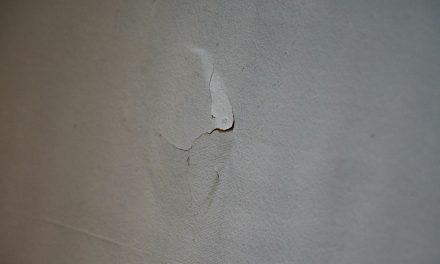
Water stains on ceilings are a common yet concerning issue that homeowners may encounter. These unsightly marks can indicate underlying problems that, if left unaddressed, may lead to significant structural damage and costly repairs. Water stains typically manifest as discolored patches, often appearing yellowish or brown, and can vary in size and shape. Understanding the nature of these stains is crucial for effective diagnosis and remediation.
The presence of water stains suggests that moisture has infiltrated the ceiling material, which can compromise the integrity of the structure. This infiltration may arise from various sources, including roof leaks, plumbing failures, or condensation issues. Identifying the root cause is essential for preventing further damage and ensuring the longevity of the home. Homeowners should remain vigilant and proactive in monitoring their ceilings for any signs of water intrusion.
Common Causes of Ceiling Water Stains
Several factors can contribute to the formation of water stains on ceilings. One of the most prevalent causes is roof leaks, which can occur due to damaged shingles, compromised flashing, or inadequate sealing around vents and chimneys. When rainwater penetrates these vulnerabilities, it can travel through the roofing materials and eventually reach the ceiling, resulting in visible stains.
Another common culprit is plumbing issues, particularly leaks from pipes located above the ceiling. These leaks can stem from corroded pipes, loose fittings, or even condensation from HVAC systems. Additionally, improper drainage or clogged gutters can exacerbate water accumulation on roofs, leading to leaks that manifest as stains on ceilings. Understanding these causes is vital for homeowners seeking to address and rectify water stain issues effectively.
Identifying the Characteristics of Water Stains

Water stains exhibit distinct characteristics that can aid in identifying their source. Typically, these stains appear as irregularly shaped patches with varying colors, ranging from light yellow to dark brown. The texture of the stain may also differ; some may feel damp or soft to the touch, while others may be dry and flaky. Observing these features can provide valuable clues regarding the duration and severity of the leak.
In addition to color and texture, the location of the stain plays a critical role in diagnosis. Stains located near plumbing fixtures or HVAC vents may indicate a plumbing leak or condensation issue, while those near exterior walls could suggest roof-related problems. Homeowners should take note of these characteristics when assessing water stains, as they can guide further investigation and remediation efforts.
Inspecting the Attic for Signs of Leaks

A thorough inspection of the attic is essential for identifying potential sources of water stains on ceilings. Homeowners should begin by examining the insulation for signs of dampness or mold growth, as these can indicate moisture intrusion. Additionally, inspecting the rafters and sheathing for discoloration or water damage can reveal leaks originating from the roof.
During this inspection, it is crucial to check for any visible gaps or holes in the roofing materials that could allow water to enter. Homeowners should also look for signs of pest infestations, as rodents or insects can create openings that facilitate moisture entry. By conducting a comprehensive attic inspection, homeowners can pinpoint potential leak sources and take appropriate action to mitigate further damage.
Checking Roof Shingles and Flashing
Roof shingles and flashing are critical components in protecting a home from water intrusion. Damaged or missing shingles can create vulnerabilities that allow rainwater to seep beneath the roofing material. Homeowners should regularly inspect their roofs for signs of wear, such as curling edges, cracks, or granule loss.
Flashing, which is typically made of metal or plastic, serves as a barrier around chimneys, vents, and other roof penetrations. If flashing becomes loose or corroded, it may fail to provide adequate protection against water infiltration. Homeowners should ensure that flashing is securely installed and free from rust or deterioration. Regular maintenance of shingles and flashing is essential for preventing leaks that lead to ceiling water stains.
Examining Plumbing Pipes Above the Ceiling
Plumbing systems are often hidden from view but can be a significant source of water stains on ceilings. Homeowners should inspect any visible pipes located above the ceiling for signs of leaks or corrosion. This includes checking joints and fittings where leaks are most likely to occur.
In addition to visual inspections, homeowners should be aware of any unusual sounds coming from plumbing systems, such as dripping or hissing noises. These sounds may indicate a leak that requires immediate attention. If any signs of plumbing issues are detected, it is advisable to consult a licensed plumber for further evaluation and repair.
Investigating HVAC Systems and Ductwork
HVAC systems play a crucial role in maintaining indoor air quality and comfort; however, they can also contribute to moisture issues if not properly maintained. Homeowners should inspect ductwork for signs of condensation or leaks, particularly in areas where ducts pass through unconditioned spaces like attics or crawl spaces.
Additionally, checking the condensate drain line for clogs is essential, as a blocked drain can lead to water buildup and subsequent leaks. Regular maintenance of HVAC systems, including changing filters and cleaning ducts, can help prevent moisture-related problems that may result in ceiling water stains.
Using Moisture Meters to Detect Hidden Leaks
Moisture meters are valuable tools for detecting hidden leaks that may not be immediately visible. These devices measure moisture levels in building materials and can help identify areas with elevated humidity that may indicate a leak. Homeowners can use moisture meters to assess ceilings, walls, and floors for signs of water intrusion.
When using a moisture meter, it is essential to follow manufacturer instructions for accurate readings. High moisture levels detected in areas adjacent to water stains may confirm the presence of a leak that requires further investigation. By utilizing moisture meters effectively, homeowners can pinpoint problem areas and take appropriate action to address leaks before they escalate.
Tracking Water Stains During Rainfall
Monitoring water stains during rainfall can provide valuable insights into their source and severity. Homeowners should observe any changes in the appearance of stains during wet weather conditions. If stains become darker or expand in size during rainfall, this may indicate an active leak that requires immediate attention.
Additionally, homeowners should take note of any specific weather conditions that coincide with the appearance of new stains. For example, if stains appear only during heavy rainstorms but remain dry during dry spells, this could suggest a roof-related issue rather than a plumbing problem. Tracking these patterns can help homeowners narrow down potential causes and facilitate timely repairs.
When to Call a Professional for Leak Detection
While many homeowners may attempt to identify and address water stains independently, there are instances when professional assistance is warranted. If leaks persist despite thorough inspections or if homeowners are unable to locate the source of water intrusion, it is advisable to consult a licensed contractor or leak detection specialist.
Professionals possess specialized tools and expertise that enable them to detect hidden leaks with greater accuracy than standard inspections allow. They can conduct comprehensive assessments using advanced technologies such as thermal imaging cameras and acoustic leak detection equipment. Engaging professionals ensures that underlying issues are addressed effectively and minimizes the risk of further damage.
Preventing Future Water Stains and Ceiling Damage
Preventing future water stains requires proactive measures aimed at addressing potential sources of moisture intrusion. Regular roof inspections should be conducted at least twice a year to identify any signs of wear or damage promptly. Homeowners should also ensure that gutters are cleaned regularly to prevent clogs that could lead to water overflow.
In addition to roof maintenance, proper insulation in attics and around plumbing pipes can help mitigate condensation issues that contribute to ceiling stains. Installing vapor barriers in areas prone to high humidity can also reduce moisture buildup. By implementing these preventive measures, homeowners can significantly reduce the risk of future water stains and protect their ceilings from damage.
In summary, understanding water stains on ceilings involves recognizing their causes, characteristics, and potential sources such as roofing issues or plumbing leaks. Conducting thorough inspections and utilizing tools like moisture meters can aid in identifying hidden problems. While some issues may be manageable by homeowners themselves, others necessitate professional intervention for effective resolution. By taking preventive measures and addressing issues promptly, homeowners can safeguard their properties against future water damage and maintain a healthy living environment.
FAQs
What causes water stains on the ceiling?
Water stains on the ceiling are typically caused by leaks from plumbing, roofs, or condensation. When water seeps through the ceiling material, it leaves behind discoloration, which can vary in color from yellow to brown, depending on the source and duration of the leak.
How can I identify the source of a leak causing ceiling stains?
To identify the source of a leak, start by inspecting areas above the stained ceiling, such as bathrooms, kitchens, or attics. Look for signs of moisture, mold, or damaged materials. You can also check for dripping water or wet spots during or after rainfall. If necessary, consult a professional to conduct a thorough inspection.
Are water stains on the ceiling always a sign of a serious problem?
Not always, but water stains can indicate underlying issues that may require attention. While some stains may result from minor condensation or a temporary leak, others could signal significant problems like roof damage or plumbing failures that could lead to more extensive damage if not addressed.
Can I fix water stains on the ceiling myself?
Yes, you can often fix water stains on the ceiling yourself, but it’s essential to first address the source of the leak. Once the leak is repaired, you can clean the stained area with a mixture of water and bleach, then repaint it with a stain-blocking primer followed by ceiling paint to restore its appearance.
When should I call a professional for water stains on the ceiling?
You should call a professional if you cannot locate the source of the leak, if the stains are extensive, or if you notice signs of mold growth. Additionally, if the damage appears to be structural or if you are uncomfortable performing repairs yourself, it’s best to seek professional help to ensure safety and proper remediation.