Proper food storage is a critical aspect of food safety that often goes overlooked in households and commercial kitchens alike. The significance of maintaining appropriate storage conditions cannot be overstated, as it directly influences the quality, safety, and longevity of food items. With the increasing prevalence of foodborne illnesses, understanding the nuances of food storage has become paramount. According to the Centers for Disease Control and Prevention (CDC), approximately 48 million people in the United States experience foodborne illnesses each year, leading to 128,000 hospitalizations and 3,000 deaths. These alarming statistics highlight the necessity for effective food storage practices.
Moreover, proper food storage not only safeguards health but also minimizes waste. The United Nations Food and Agriculture Organization (FAO) estimates that one-third of all food produced globally is wasted, which translates to about 1.3 billion tons annually. By implementing effective storage techniques, individuals can prolong the shelf life of their meals, thereby reducing waste and contributing to a more sustainable food system. This article delves into various aspects of food storage, focusing on cooked foods, their shelf life, and best practices to ensure safety and quality.
Understanding Refrigerator Temperature and Its Impact
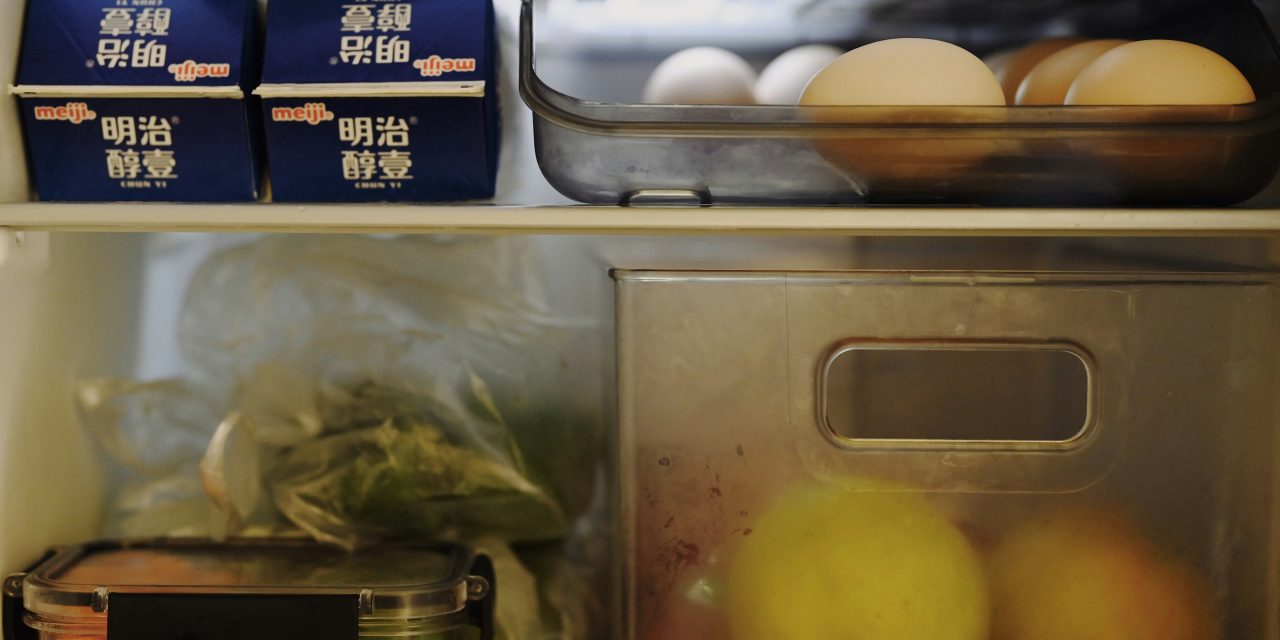
The refrigerator plays a pivotal role in preserving the freshness and safety of perishable items. The optimal temperature for a refrigerator is between 32°F (0°C) and 40°F (4°C). Maintaining this temperature range is crucial because it inhibits the growth of pathogenic bacteria that thrive in warmer conditions. For instance, bacteria such as Salmonella and E. coli can proliferate rapidly at temperatures above 40°F (4°C), increasing the risk of foodborne illnesses.
To ensure that your refrigerator operates efficiently, it is advisable to use an appliance thermometer. Regularly checking the temperature can help identify any fluctuations that may compromise food safety. Additionally, it is essential to avoid overcrowding the refrigerator, as this can obstruct airflow and lead to uneven cooling. By understanding the importance of maintaining proper refrigerator temperatures, individuals can significantly reduce the risk of spoilage and contamination.
General Guidelines for Cooked Food Shelf Life

Cooked foods have varying shelf lives depending on several factors, including ingredients, preparation methods, and storage conditions. Generally, cooked foods can be safely stored in the refrigerator for three to four days. However, certain items may have shorter or longer shelf lives. For example, cooked poultry should ideally be consumed within three days, while cooked beef can last up to four days.
Freezing is an excellent option for extending the shelf life of cooked meals. When properly stored in airtight containers or freezer bags, cooked foods can remain safe for consumption for several months. The USDA recommends consuming frozen cooked meals within three to four months for optimal quality. It is essential to label containers with dates to track storage duration effectively. By adhering to these general guidelines, individuals can ensure that their cooked foods remain safe and palatable.
How Different Types of Cooked Food Affect Storage Time

The type of cooked food significantly influences its storage duration. For instance, dishes containing dairy products or eggs tend to spoil more quickly than those made with vegetables or grains. Cream-based sauces or casseroles should ideally be consumed within two to three days due to their perishable ingredients. Conversely, hearty stews or soups made primarily with vegetables and legumes can last longer in the refrigerator.
Additionally, the method of cooking can impact shelf life. Foods that have been grilled or roasted may have a longer shelf life compared to those that are fried or sautéed due to differences in moisture content. Moisture promotes bacterial growth; therefore, drier cooking methods may yield longer-lasting results. Understanding these distinctions allows individuals to make informed decisions about how long they can safely store various types of cooked foods.
Signs That Cooked Food Has Gone Bad
Recognizing the signs of spoilage is crucial for preventing foodborne illnesses. Common indicators that cooked food has gone bad include changes in color, texture, and odor. For example, if a previously vibrant dish appears dull or has developed an off-putting smell, it is likely no longer safe for consumption. Additionally, the presence of mold or an unusual slimy texture are clear signs that food should be discarded.
It is also important to trust your senses when assessing food quality. If something seems off or questionable about a dish, it is better to err on the side of caution and dispose of it rather than risk potential illness. Being vigilant about these signs can help maintain food safety and prevent adverse health effects.
Best Practices for Storing Cooked Food Safely
To ensure the safety and longevity of cooked foods, several best practices should be followed. First and foremost, it is essential to cool cooked meals promptly before storing them in the refrigerator or freezer. Leaving hot food at room temperature for extended periods can promote bacterial growth; therefore, it is advisable to refrigerate leftovers within two hours of cooking.
When storing cooked food in the refrigerator, it is beneficial to use shallow containers to facilitate rapid cooling. Additionally, keeping cooked items separate from raw foods helps prevent cross-contamination. It is also advisable to store foods in airtight containers or tightly wrapped with plastic wrap or aluminum foil to minimize exposure to air and moisture.
The Role of Airtight Containers and Packaging
Airtight containers play a vital role in preserving the quality and safety of stored cooked foods. These containers prevent air from entering, which helps inhibit oxidation and slows down spoilage processes. When selecting containers for storage, opt for materials that are BPA-free and designed specifically for food storage.
Proper packaging also extends beyond just containers; using freezer bags for items intended for freezing can help prevent freezer burn—a condition that occurs when moisture evaporates from food surfaces due to exposure to air. Vacuum sealing is another effective method for preserving cooked meals by removing air from packaging entirely. By utilizing airtight containers and appropriate packaging techniques, individuals can significantly enhance the shelf life of their cooked foods.
How to Reheat Cooked Food Safely
Reheating cooked food requires careful attention to ensure safety and quality are maintained. The USDA recommends reheating leftovers to an internal temperature of 165°F (74°C) to effectively kill any potential bacteria that may have developed during storage. Using a food thermometer is an effective way to verify that this temperature has been reached.
When reheating in a microwave, it is advisable to cover dishes with a microwave-safe lid or wrap them with microwave-safe plastic wrap to retain moisture and promote even heating. Stirring food halfway through reheating helps eliminate cold spots where bacteria could survive. For stovetop reheating, using low heat and stirring frequently ensures even warming throughout the dish.
When to Discard Cooked Food to Avoid Food Poisoning
Knowing when to discard cooked food is essential for preventing foodborne illnesses. If there is any doubt about the safety of a dish—whether due to prolonged storage time or visible signs of spoilage—it is best to err on the side of caution and throw it away. The USDA provides guidelines indicating that any cooked food left unrefrigerated for more than two hours should be discarded.
Additionally, if leftovers have been stored in the refrigerator for more than four days or frozen for longer than recommended periods without proper packaging, they should also be discarded. Being proactive about monitoring storage times and conditions can significantly reduce the risk of food poisoning.
Tips for Extending the Shelf Life of Cooked Meals
Several strategies can be employed to extend the shelf life of cooked meals effectively. First, consider portioning out meals into smaller servings before storing them; this allows for quicker cooling and reduces waste by enabling individuals to reheat only what they need at a given time.
Another effective method is utilizing marinades or sauces that contain acidic ingredients like vinegar or citrus juice; these can help inhibit bacterial growth while enhancing flavor profiles. Additionally, incorporating preservatives such as salt or sugar into recipes can also contribute to longer shelf life by creating an inhospitable environment for bacteria.
Lastly, regularly cleaning out your refrigerator helps maintain optimal conditions for stored foods by preventing cross-contamination and ensuring that older items are consumed first.
Maintaining Food Safety and Reducing Waste
In conclusion, proper food storage practices are essential for maintaining safety and quality while minimizing waste in both home kitchens and commercial settings. Understanding factors such as refrigerator temperature, shelf life guidelines for various types of cooked foods, signs of spoilage, and best practices for storage can significantly reduce the risk of foodborne illnesses.
By employing airtight containers and appropriate packaging techniques while being vigilant about reheating methods and disposal timelines, individuals can ensure their meals remain safe for consumption over extended periods. Ultimately, adopting these practices not only protects health but also contributes positively towards reducing global food waste—a pressing issue that affects us all.
FAQs
How long can cooked food be safely stored in the refrigerator?
Cooked food can typically be safely stored in the refrigerator for 3 to 4 days. It is important to ensure that the food is stored in airtight containers to maintain its quality and prevent contamination.
What factors can affect the shelf life of cooked food in the refrigerator?
Several factors can affect the shelf life of cooked food, including the type of food, how it was cooked, the temperature of the refrigerator, and how well it was stored. Foods with higher moisture content may spoil faster, while properly sealed containers can help extend freshness.
Can I eat cooked food that has been in the refrigerator for more than 4 days?
It is generally not recommended to eat cooked food that has been stored in the refrigerator for more than 4 days, as it may pose a risk of foodborne illness. If in doubt, it is safer to discard the food.
How can I tell if cooked food has gone bad?
Signs that cooked food has gone bad include an off smell, unusual texture, discoloration, or the presence of mold. If any of these signs are present, it is best to discard the food to avoid health risks.
Can I freeze cooked food to extend its shelf life?
Yes, you can freeze cooked food to extend its shelf life. Most cooked foods can be safely frozen for 2 to 6 months, depending on the type of food. Be sure to use airtight containers or freezer bags to prevent freezer burn.