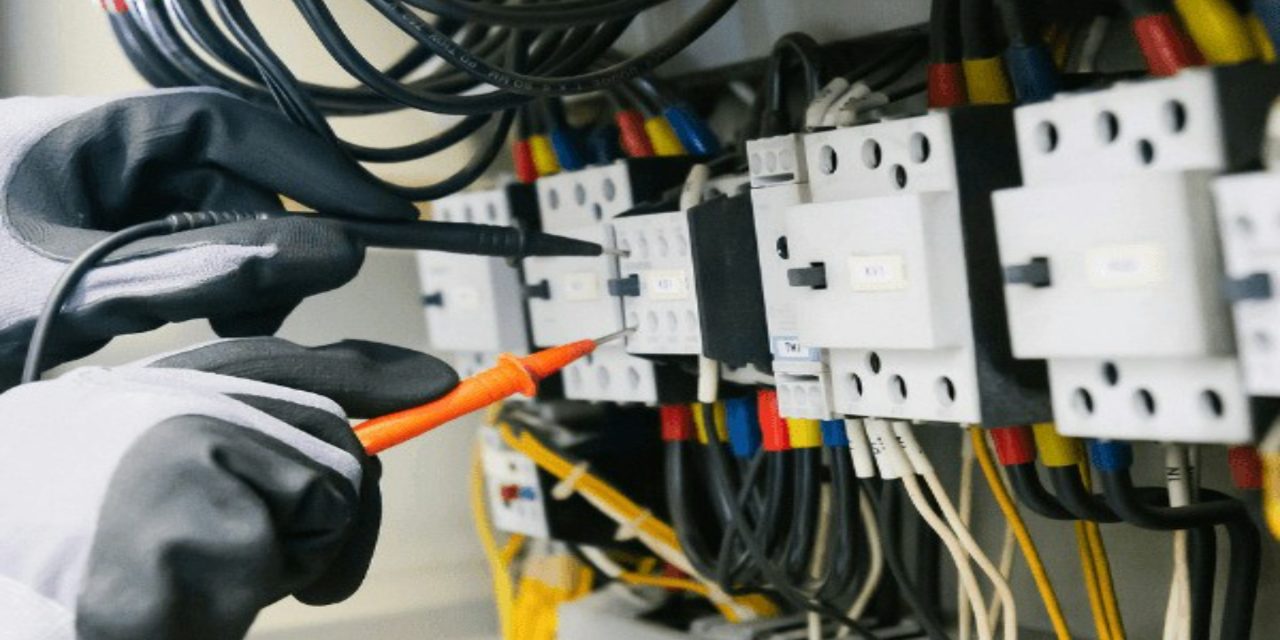
A circuit breaker is an essential component of electrical systems, designed to protect circuits from overloads and short circuits. Functioning as an automatic switch, it interrupts the flow of electricity when it detects an anomaly, thereby preventing potential hazards such as electrical fires or equipment damage. Circuit breakers come in various types, including standard, ground fault circuit interrupters (GFCIs), and arc fault circuit interrupters (AFCIs), each serving specific protective functions.
The mechanism behind a circuit breaker involves a bimetallic strip or an electromagnetic coil that responds to excessive current. When the current exceeds a predetermined threshold, the breaker trips, cutting off the electrical supply. This safety feature is crucial in residential and commercial settings, ensuring that electrical systems operate within safe parameters. Understanding how circuit breakers function is vital for homeowners and businesses alike, as it empowers them to manage their electrical systems effectively.
Common Reasons Why Circuit Breakers Trip
Circuit breakers trip for various reasons, primarily due to overloads, short circuits, or ground faults. An overload occurs when too many devices draw power from a single circuit, exceeding its capacity. For instance, plugging multiple high-wattage appliances into one outlet can lead to excessive current flow, prompting the breaker to trip. Short circuits happen when a live wire comes into contact with a neutral wire or ground, creating a low-resistance path that allows an uncontrolled surge of electricity.
Ground faults are another common cause of tripping. These occur when electrical current escapes its intended path, often due to damaged insulation or moisture intrusion. Additionally, faulty wiring or aging electrical systems can contribute to frequent trips. Understanding these causes is essential for diagnosing issues and implementing effective solutions to maintain electrical safety.
Signs Your Circuit Breaker Is Overloaded

Recognizing the signs of an overloaded circuit is crucial for preventing potential hazards. One of the most apparent indicators is the frequent tripping of the circuit breaker itself. If you notice that your breaker trips regularly, it may be a sign that the circuit is overloaded. Other symptoms include flickering lights, dimming when appliances are turned on, or outlets that feel warm to the touch.
Moreover, unusual sounds such as buzzing or crackling from the breaker panel can indicate overheating or electrical arcing, which are serious concerns. If you observe any of these signs, it is imperative to assess your electrical load and redistribute appliances across different circuits to alleviate stress on any single breaker.
How to Safely Reset a Tripped Circuit Breaker

Resetting a tripped circuit breaker is a straightforward process but requires caution to ensure safety. First, locate your electrical panel and identify the tripped breaker; it will typically be in the “off” position or positioned differently from others. Before resetting, ensure that the cause of the trip has been addressed—this may involve unplugging appliances or redistributing loads.
To reset the breaker, firmly push it to the “off” position and then back to “on.” You should hear a click indicating that it has been reset successfully. If the breaker trips again immediately after resetting, do not attempt to reset it repeatedly; this could indicate a more serious underlying issue that requires professional evaluation.
Identifying Faulty Appliances Causing Trips
Faulty appliances are often culprits behind circuit breaker trips. To identify problematic devices, start by unplugging all appliances connected to the affected circuit. Gradually plug them back in one at a time while monitoring the circuit breaker. If it trips after connecting a specific appliance, that device may be malfunctioning or drawing excessive power.
Common signs of faulty appliances include frayed cords, burnt smells, or unusual noises during operation. In some cases, older appliances may not be compatible with modern electrical systems, leading to increased power demands. If you suspect an appliance is causing issues, consider having it inspected or replaced by a qualified technician.
The Role of Ground Fault Circuit Interrupters (GFCIs)
Ground Fault Circuit Interrupters (GFCIs) play a critical role in enhancing electrical safety, particularly in areas prone to moisture such as kitchens and bathrooms. These devices monitor the flow of electricity and can detect imbalances between incoming and outgoing currents. If a ground fault occurs—such as when water comes into contact with an electrical source—the GFCI will trip within milliseconds, cutting off power and reducing the risk of electric shock.
Installing GFCIs in high-risk areas is not only a safety measure but often a code requirement in many jurisdictions. Regular testing of GFCIs is essential; most devices have a “test” button that allows homeowners to ensure they are functioning correctly. If a GFCI fails to reset after tripping, it may need replacement.
When to Check for Wiring Issues
Wiring issues can pose significant risks and should be addressed promptly. Signs that indicate potential wiring problems include frequent tripping of breakers, flickering lights, or outlets that do not work at all. Additionally, if you notice burning smells or see scorch marks around outlets or switches, these are clear indicators of faulty wiring that requires immediate attention.
Older homes may have outdated wiring systems that cannot handle modern electrical loads safely. In such cases, it may be necessary to upgrade wiring to meet current safety standards and accommodate increased power demands from contemporary appliances and technology.
How Moisture and Environmental Factors Affect Circuit Breakers
Moisture is one of the most detrimental environmental factors affecting circuit breakers and overall electrical systems. High humidity levels can lead to condensation within electrical panels and outlets, increasing the risk of short circuits and ground faults. Additionally, exposure to water can corrode wiring and connections over time, compromising their integrity.
Environmental factors such as temperature fluctuations can also impact circuit breakers. Extreme heat can cause breakers to trip more frequently due to overheating, while cold temperatures can affect their responsiveness. Ensuring proper ventilation around electrical panels and using weatherproof covers for outdoor outlets can mitigate these risks.
Preventive Measures to Avoid Frequent Trips
Implementing preventive measures can significantly reduce the frequency of circuit breaker trips. Start by distributing electrical loads evenly across circuits; avoid overloading any single breaker by spreading out high-wattage appliances across multiple outlets. Regularly inspect cords and plugs for damage and replace any faulty equipment promptly.
Additionally, consider upgrading your electrical panel if it frequently trips under normal usage conditions. Installing additional circuits may also help accommodate increased power demands from modern devices. Regular maintenance checks by a licensed electrician can identify potential issues before they escalate into serious problems.
When to Call a Professional Electrician
While some electrical issues can be resolved independently, certain situations necessitate professional intervention. If you experience persistent tripping despite taking preventive measures or if you suspect wiring problems or faulty appliances, it is crucial to consult a licensed electrician. They possess the expertise and tools required to diagnose complex issues safely.
Moreover, if you plan on making significant changes to your electrical system—such as adding new circuits or upgrading your panel—professional assistance is essential to ensure compliance with local codes and regulations.
Upgrading Your Electrical Panel: Is It Time?
Upgrading your electrical panel may be necessary if you frequently experience tripped breakers or if your home has undergone significant renovations requiring additional power capacity. Modern homes typically require panels rated for 200 amps or more to accommodate contemporary electrical demands effectively.
Signs that indicate it’s time for an upgrade include frequent tripping of breakers under normal loads, outdated fuse boxes instead of circuit breakers, or insufficient outlets for your needs. Consulting with an electrician can provide clarity on whether an upgrade is warranted based on your specific circumstances.
In summary, understanding circuit breakers is essential for maintaining electrical safety in homes and businesses alike. Recognizing common causes of trips, identifying overloaded circuits, and knowing when to seek professional help are crucial steps in ensuring a safe electrical environment. By implementing preventive measures and staying informed about potential issues, individuals can significantly reduce risks associated with electrical systems while enhancing overall safety and functionality.
FAQs
What causes a circuit breaker to trip?
A circuit breaker trips when it detects an overload, short circuit, or ground fault in the electrical system. This is a safety mechanism designed to prevent overheating and potential fires by interrupting the flow of electricity when it exceeds safe levels.
How can I tell if my circuit breaker is tripped?
You can tell if your circuit breaker is tripped by checking the breaker panel. A tripped breaker will be in the ‘off’ position or in a position between ‘on’ and ‘off.’ Additionally, you may notice that certain lights or appliances are not functioning, indicating a loss of power to that circuit.
What should I do if my circuit breaker keeps tripping?
If your circuit breaker keeps tripping, first unplug all devices on the affected circuit and reset the breaker. If it trips again, there may be a serious issue such as a short circuit or faulty wiring. In this case, it is advisable to consult a licensed electrician for a thorough inspection and repair.
Can I reset the circuit breaker myself?
Yes, you can reset the circuit breaker yourself by switching it back to the ‘on’ position after it has tripped. However, if it continues to trip after resetting, it is important to investigate the underlying cause or seek professional help, as repeated tripping can indicate a more serious electrical problem.
Is it safe to ignore a tripping circuit breaker?
No, it is not safe to ignore a tripping circuit breaker. Frequent tripping can indicate an electrical fault that poses a risk of fire or damage to your electrical system. It is essential to address the issue promptly to ensure safety and proper functioning of your electrical system.