Ground Fault Circuit Interrupter (GFCI) outlets are essential safety devices designed to protect individuals from electrical shock. They function by continuously monitoring the flow of electricity through the circuit. If an imbalance is detected—indicating that some current is escaping to the ground, which could occur if a person comes into contact with a live wire—the GFCI outlet will interrupt the circuit within milliseconds. This rapid response significantly reduces the risk of severe injury or fatality due to electric shock.
The mechanism behind a GFCI outlet involves a built-in sensor that compares the current flowing through the hot and neutral wires. Under normal conditions, these currents should be equal. However, if the sensor detects a difference of as little as 4 to 6 milliamperes, it triggers the internal relay to cut off power. This technology is particularly crucial in areas prone to moisture, such as bathrooms, kitchens, and outdoor settings, where the risk of electrical hazards is heightened.
Common Reasons Why a GFCI Outlet Won’t Reset
When a GFCI outlet fails to reset, it can be frustrating and concerning. One common reason for this malfunction is an ongoing ground fault condition. If there is a persistent leak of current due to damaged wiring or faulty appliances connected to the outlet, the GFCI will remain tripped to prevent potential hazards. In such cases, simply pressing the reset button will not restore functionality until the underlying issue is resolved.
Another frequent cause for a GFCI outlet’s inability to reset is an overloaded circuit. If too many devices are drawing power from the same circuit, it can lead to tripping. This situation often occurs in kitchens or laundry rooms where multiple appliances operate simultaneously. Identifying and reducing the load on the circuit can help restore functionality to the GFCI outlet.
Identifying Tripped Circuit Breakers Affecting the GFCI
A tripped circuit breaker can significantly impact the operation of a GFCI outlet. Circuit breakers are designed to protect electrical circuits from overloads and short circuits by interrupting the flow of electricity when necessary. If a circuit breaker associated with a GFCI outlet trips, it will cut off power to that outlet, rendering it non-functional until reset.
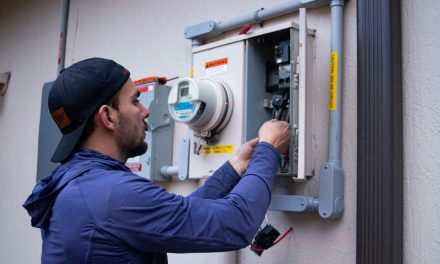
To identify a tripped breaker, one should first locate the electrical panel and inspect each breaker switch. A tripped breaker will typically be in a different position than the others—often in the “off” position or halfway between “on” and “off.” Resetting the breaker by flipping it fully to the “off” position and then back to “on” can restore power to the GFCI outlet. However, if the breaker trips again immediately after resetting, further investigation into potential overloads or faults in the circuit is warranted.
Checking for Ground Faults or Electrical Shorts
Ground faults and electrical shorts are critical issues that can lead to GFCI outlet malfunctions. A ground fault occurs when electricity escapes its intended path, often due to damaged insulation or faulty wiring. This situation can create dangerous conditions, as it may expose individuals to live electrical currents. To check for ground faults, one should inspect all wiring connected to the GFCI outlet for signs of wear, fraying, or damage.
Electrical shorts occur when two wires come into contact with each other or when a wire touches a grounded surface. This condition can cause excessive current flow, leading to tripping of the GFCI outlet. Identifying shorts typically involves examining connections and junction boxes for loose wires or improper installations. If any issues are detected, immediate repairs are necessary to ensure safety and restore functionality.
Inspecting for Overloaded Circuits and Excessive Load
Overloaded circuits are another common reason for GFCI outlet issues. Each circuit has a specific amperage rating, which indicates how much electrical load it can safely handle. When too many devices are plugged into a single circuit, it can exceed this rating, causing the GFCI outlet to trip as a protective measure.
To inspect for overloaded circuits, one should evaluate all devices connected to the circuit in question. High-wattage appliances such as space heaters, microwaves, and hair dryers can quickly consume available amperage. Distributing these devices across multiple circuits can alleviate overloads and prevent future tripping of GFCI outlets.
Testing the GFCI Outlet for Internal Damage
Testing a GFCI outlet for internal damage is crucial when troubleshooting persistent issues. A simple method involves using a GFCI tester, which plugs into the outlet and checks its functionality. If the tester indicates that the outlet is not functioning correctly, it may suggest internal damage or failure of components within the GFCI unit itself.
In addition to using a tester, one can visually inspect the outlet for signs of wear or damage. Burn marks, discoloration, or a loose fit in the wall can indicate internal problems that require replacement. Regular testing of GFCI outlets—ideally once a month—can help ensure they remain operational and safe.
The Role of Moisture and Water Exposure in GFCI Malfunction
Moisture exposure is a significant factor contributing to GFCI outlet malfunctions. These outlets are specifically designed for wet or damp locations; however, prolonged exposure to water can lead to corrosion and deterioration of internal components. This degradation can impair their ability to function correctly and may result in frequent tripping or failure to reset.
To mitigate moisture-related issues, it is essential to ensure that GFCI outlets installed in high-humidity areas are adequately protected from water exposure. Installing weatherproof covers for outdoor outlets and ensuring proper sealing around indoor outlets can help prevent moisture ingress and prolong the life of these safety devices.
How to Safely Reset a GFCI Outlet
Resetting a GFCI outlet is a straightforward process but must be done safely to avoid further complications. First, ensure that any devices plugged into the outlet are unplugged before attempting to reset it. This precaution prevents potential electrical shock or damage to appliances during the reset process.
To reset the outlet, locate the reset button on the face of the GFCI unit—typically marked with red or yellow coloring—and press it firmly until you hear a click indicating that it has been reset. After resetting, plug in devices one at a time while monitoring for any signs of malfunction or tripping. If the outlet continues to trip after resetting, further investigation into underlying issues is necessary.
When to Replace a Faulty GFCI Outlet
Determining when to replace a faulty GFCI outlet is crucial for maintaining electrical safety in your home or workplace. If an outlet consistently trips without any apparent cause—such as overloaded circuits or ground faults—it may indicate internal failure of the device itself. Additionally, if visual inspections reveal signs of damage such as cracks or burn marks, replacement is warranted.
Another indicator for replacement is age; GFCI outlets typically have a lifespan of about 10 years. Regular testing should be performed throughout this period; if an outlet fails multiple tests or exhibits erratic behavior, replacing it proactively can prevent potential hazards.
Preventative Measures to Avoid Future GFCI Issues
Implementing preventative measures can significantly reduce the likelihood of future GFCI issues. Regular maintenance checks on electrical systems—including inspecting wiring and connections—can help identify potential problems before they escalate into serious hazards. Additionally, ensuring that all appliances used with GFCI outlets are in good working condition can minimize risks associated with ground faults.
Educating household members about proper usage of electrical devices and avoiding overloading circuits is also essential in preventing issues with GFCIs. Installing additional outlets in high-demand areas can distribute electrical loads more evenly and reduce strain on individual circuits.
When to Call a Professional Electrician for GFCI Problems
While many GFCI issues can be resolved through basic troubleshooting techniques, certain situations warrant professional intervention from an electrician. If there are persistent problems with tripping outlets despite following troubleshooting steps, it may indicate deeper electrical issues that require expert assessment.
Additionally, if there are signs of significant damage—such as burning smells or visible sparks—immediate professional assistance is necessary to ensure safety and prevent fire hazards. An electrician can conduct thorough inspections and repairs while adhering to local codes and regulations.
In summary, understanding how GFCI outlets function is vital for maintaining electrical safety in environments prone to moisture exposure. Recognizing common issues such as ground faults, overloaded circuits, and internal damage allows homeowners to troubleshoot effectively while implementing preventative measures ensures long-term reliability. When faced with persistent problems or significant damage, consulting with a qualified electrician is essential for safeguarding against electrical hazards and ensuring compliance with safety standards.
FAQs
What is a GFCI outlet and why is it important?
A Ground Fault Circuit Interrupter (GFCI) outlet is a safety device designed to protect against electrical shock by shutting off power when it detects an imbalance in electrical current. It is particularly important in areas where water and electricity may come into contact, such as kitchens, bathrooms, and outdoor spaces.
What are common reasons a GFCI outlet won’t reset?
Common reasons a GFCI outlet won’t reset include a tripped circuit breaker, a faulty GFCI outlet, overloaded circuits, or wiring issues. Additionally, if there is a ground fault or moisture in the outlet, it may prevent the reset from occurring.
How can I troubleshoot a GFCI outlet that won’t reset?
To troubleshoot a GFCI outlet that won’t reset, first check if the circuit breaker has tripped and reset it if necessary. Next, inspect the outlet for any visible damage or moisture. If the outlet still won’t reset, try replacing it or consult a licensed electrician for further diagnosis.
Can a GFCI outlet be replaced if it is faulty?
Yes, a faulty GFCI outlet can be replaced. It is important to turn off the power at the circuit breaker before attempting to replace the outlet. If you are not comfortable doing this yourself, it is advisable to hire a qualified electrician to ensure safety and proper installation.
What should I do if my GFCI outlet keeps tripping?
If your GFCI outlet keeps tripping, it may indicate a persistent ground fault, an overloaded circuit, or a malfunctioning appliance plugged into the outlet. Unplug all devices and try resetting the outlet. If it continues to trip, consult an electrician to identify and resolve the underlying issue.