Electric stove burners are essential components of modern kitchens, providing a reliable source of heat for cooking. However, like any appliance, they can encounter various issues that may hinder their performance. Common problems include inconsistent heating, complete failure to heat, or even overheating. These issues can stem from a variety of sources, including faulty burner elements, damaged wiring, or malfunctioning control switches. Understanding these potential problems is crucial for maintaining a functional kitchen and ensuring safety during cooking.
When electric stove burners malfunction, they can lead to frustrating cooking experiences and even pose safety hazards. For instance, a burner that fails to heat properly can result in undercooked meals, while an overheating burner can cause burns or even kitchen fires. Therefore, it is imperative to diagnose and address these issues promptly. This article will provide a comprehensive guide to troubleshooting electric stove burners, ensuring that you can identify problems and implement effective solutions.
Safety First: Disconnect Power Before Inspection
Before embarking on any inspection or repair of electric stove burners, safety must be the foremost priority. Disconnecting the power supply is essential to prevent electrical shocks or accidental activation of the burners during maintenance. To ensure safety, locate the circuit breaker that controls the stove and switch it off. Alternatively, unplug the stove from the wall outlet if accessible. This precautionary measure protects both the individual performing the inspection and the appliance itself.
Once the power is disconnected, it is advisable to allow the stove to cool down completely if it has been in use. This step minimizes the risk of burns from residual heat. Additionally, wearing insulated gloves can provide an extra layer of protection during inspection. By prioritizing safety, you can confidently proceed with diagnosing and resolving issues with your electric stove burners.
Checking the Power Supply and Outlet

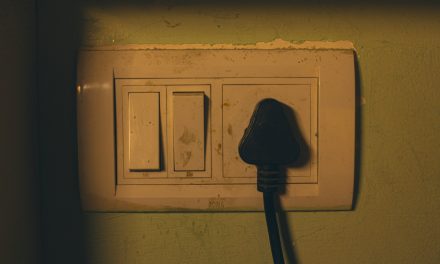
After ensuring that the power is disconnected, the next step involves examining the power supply and outlet. A common cause of malfunctioning electric stove burners is an inadequate power supply. Begin by inspecting the outlet for any visible signs of damage, such as burn marks or loose connections. If the outlet appears compromised, it may require replacement by a qualified electrician.
Next, check the circuit breaker associated with the stove. If it has tripped, reset it and observe whether the burners function correctly afterward. If the breaker continues to trip, this could indicate a more significant electrical issue that necessitates professional intervention. Additionally, using a voltage tester can help confirm whether the outlet is supplying adequate voltage to the stove. Electric stoves typically require a 240-volt supply; insufficient voltage can lead to poor burner performance.
Inspecting the Burner Element for Damage

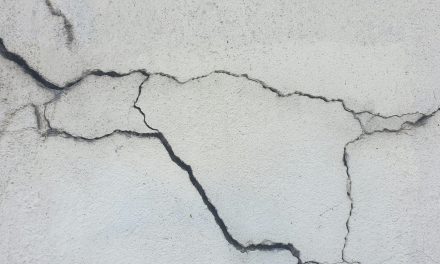
Once the power supply has been verified, attention should turn to the burner elements themselves. Electric stove burners are typically made of metal coils or smooth glass-ceramic surfaces that can wear down over time. Inspect each burner element for visible signs of damage, such as cracks, breaks, or discoloration. A damaged burner element may not heat evenly or at all, leading to cooking inconsistencies.
If any burner elements appear compromised, they should be replaced immediately to restore optimal functionality. Replacement elements are readily available at appliance stores or online retailers. When purchasing new elements, ensure compatibility with your specific stove model to avoid further complications.
Testing the Burner Element with a Multimeter
To further assess the condition of the burner elements, utilizing a multimeter is an effective diagnostic approach. This device measures electrical resistance and can help determine whether a burner element is functioning correctly. Begin by setting the multimeter to the ohms setting and connecting the probes to each terminal of the burner element.
A functional burner element should display a resistance reading within a specific range, typically between 10 to 50 ohms depending on the type of element. If the reading is significantly higher or shows no continuity (infinite resistance), this indicates that the element is faulty and requires replacement. Testing each burner element in this manner ensures that you accurately identify which components need attention.
Examining the Burner Socket for Signs of Wear
In addition to inspecting the burner elements themselves, examining the burner sockets is crucial for comprehensive troubleshooting. The sockets are responsible for connecting the burner elements to the stove’s electrical system. Over time, these sockets can become worn or corroded due to heat exposure and moisture.
Inspect each socket for signs of discoloration, melting, or corrosion. Any visible damage may impede electrical connectivity and lead to malfunctioning burners. If any sockets appear compromised, they should be replaced promptly to ensure safe and efficient operation of the stove. Replacement sockets are typically available at appliance parts retailers and should be installed according to manufacturer specifications.
Verifying the Stove’s Control Switch Functionality
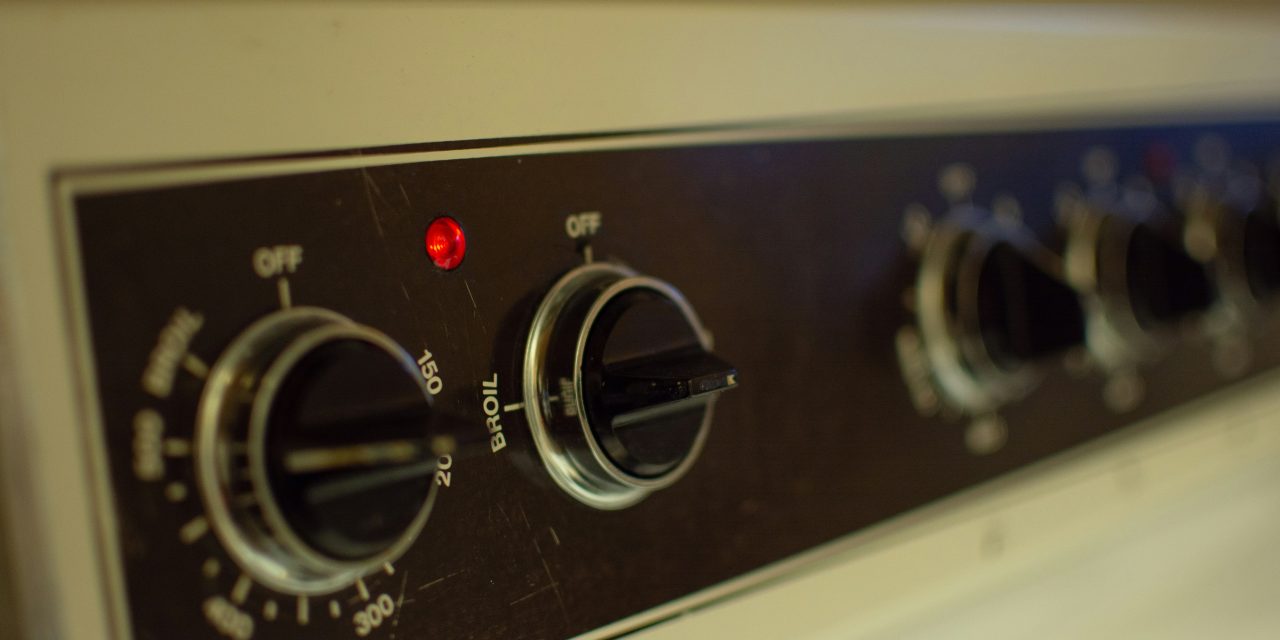
The control switches on an electric stove play a pivotal role in regulating burner temperature and functionality. If burners are not heating properly despite intact elements and sockets, it may indicate an issue with one or more control switches. To assess their functionality, remove the control knobs and access the switch terminals.
Using a multimeter set to continuity mode, test each switch by activating it while measuring continuity across its terminals. A functional switch should exhibit continuity when engaged and no continuity when disengaged. If any switches fail this test, they should be replaced to restore proper control over burner operation.
Assessing the Wiring Connections Inside the Stove
Another critical aspect of troubleshooting electric stove burners involves examining internal wiring connections. Over time, wiring can become loose or damaged due to heat exposure or wear and tear. To access these connections, carefully remove the back panel of the stove after ensuring that power is disconnected.
Inspect all wiring for signs of fraying, melting insulation, or loose connections. Pay particular attention to connections leading to burner elements and control switches. Any damaged wiring should be repaired or replaced immediately to prevent further complications or safety hazards.
Considering the Role of the Infinite Switch
The infinite switch is an integral component in many electric stoves that allows users to adjust burner temperatures seamlessly. This switch regulates power flow to individual burners based on user settings. If burners are not heating correctly or exhibit erratic behavior, it may indicate a malfunctioning infinite switch.
To diagnose this issue, access the infinite switch by removing its cover plate and testing its functionality with a multimeter as previously described for control switches. If continuity is not present when engaged or if there are irregular readings, replacing the infinite switch may be necessary to restore proper temperature control.
Determining whether to replace parts yourself or seek professional assistance depends on several factors, including your comfort level with electrical repairs and the complexity of the issue at hand. Simple replacements such as burner elements or sockets can often be performed by homeowners with basic tools and knowledge.
However, if multiple components are malfunctioning simultaneously or if there are underlying electrical issues beyond your expertise, it is advisable to consult a qualified appliance repair technician. Professionals possess specialized knowledge and experience that can ensure safe and effective repairs while minimizing risks associated with electrical work.
Preventive Maintenance Tips to Avoid Future Problems
To prolong the lifespan of electric stove burners and minimize future issues, implementing preventive maintenance practices is essential. Regularly clean burners and their surrounding areas to prevent buildup of food debris and grease that can lead to overheating or damage.
Additionally, avoid using excessive force when adjusting burner settings or removing elements; this can prevent wear on control switches and sockets. Periodically inspect wiring connections for signs of wear and ensure that all components are securely fastened.
Lastly, consider using surge protectors for your kitchen appliances to safeguard against voltage spikes that could damage electrical components over time.
In summary, troubleshooting electric stove burners involves a systematic approach that prioritizes safety while addressing common issues such as faulty elements, damaged sockets, and malfunctioning switches. By following these guidelines and implementing preventive maintenance practices, you can ensure optimal performance from your electric stove while minimizing risks associated with electrical repairs.
### FAQ Section
1. **What should I do if my electric stove burner won’t heat?**
– First, check if it’s receiving power by inspecting the outlet and circuit breaker. If power is fine, inspect burner elements and sockets for damage.
2. **How often should I clean my electric stove burners?**
– Regular cleaning after each use is recommended to prevent buildup that could affect performance.
3. **Can I replace a burner element myself?**
– Yes! Replacing a burner element is typically straightforward; just ensure power is disconnected before starting.
4. **What tools do I need for troubleshooting my electric stove?**
– A multimeter for testing electrical components, screwdrivers for accessing parts, and insulated gloves for safety.
5. **How do I know if my infinite switch needs replacement?**
– Test its continuity with a multimeter; if it fails to show continuity when engaged, it likely needs replacement.
6. **Is it safe to use my electric stove if one burner isn’t working?**
– While it may still function for other cooking tasks, it’s advisable to address any malfunctioning components promptly for safety reasons.
7. **What voltage do electric stoves typically require?**
– Most electric stoves require a 240-volt supply for optimal performance.
8. **How can I prevent future issues with my electric stove?**
– Regular cleaning, careful handling of components, and periodic inspections can help maintain functionality.
9. **When should I call a professional for repairs?**
– If multiple components fail simultaneously or if you’re uncomfortable performing electrical repairs yourself.
10. **What are common signs that my electric stove needs servicing?**
– Inconsistent heating across burners, tripped circuit breakers when in use, or visible damage to components indicate servicing may be necessary.
In conclusion, understanding how to troubleshoot electric stove burners empowers homeowners to maintain their appliances effectively while ensuring safety in their kitchens. By following systematic inspection protocols and implementing preventive measures, you can enjoy reliable cooking performance for years to come.
FAQs
What are the common reasons an electric stove burner may not work?
Common reasons for an electric stove burner not working include a faulty burner element, a malfunctioning switch, a broken connection in the wiring, or issues with the stove’s power supply. Additionally, dirt or debris on the burner or the stove surface can also prevent proper functioning.
How can I check if the burner element is faulty?
To check if the burner element is faulty, you can visually inspect it for any signs of damage, such as cracks or burn marks. You can also test the element with a multimeter to check for continuity. If there is no continuity, the burner element likely needs to be replaced.
What should I do if the burner switch is not functioning?
If the burner switch is not functioning, you can test it with a multimeter to ensure it is working properly. If the switch is defective, it will need to be replaced. Additionally, ensure that the switch connections are secure and free from corrosion.
How can I troubleshoot wiring issues in my electric stove?
To troubleshoot wiring issues, first, ensure the stove is unplugged for safety. Inspect the wiring for any visible damage or loose connections. You can use a multimeter to check for continuity in the wires. If you find any damaged wires, they will need to be repaired or replaced by a qualified technician.
What steps should I take if the stove is not receiving power?
If the stove is not receiving power, check if it is properly plugged into the outlet and that the outlet is functioning. You can test the outlet with another appliance. Additionally, check your home’s circuit breaker to ensure that the breaker for the stove has not tripped. If the breaker is fine and the outlet works, there may be an internal issue with the stove that requires professional assistance.