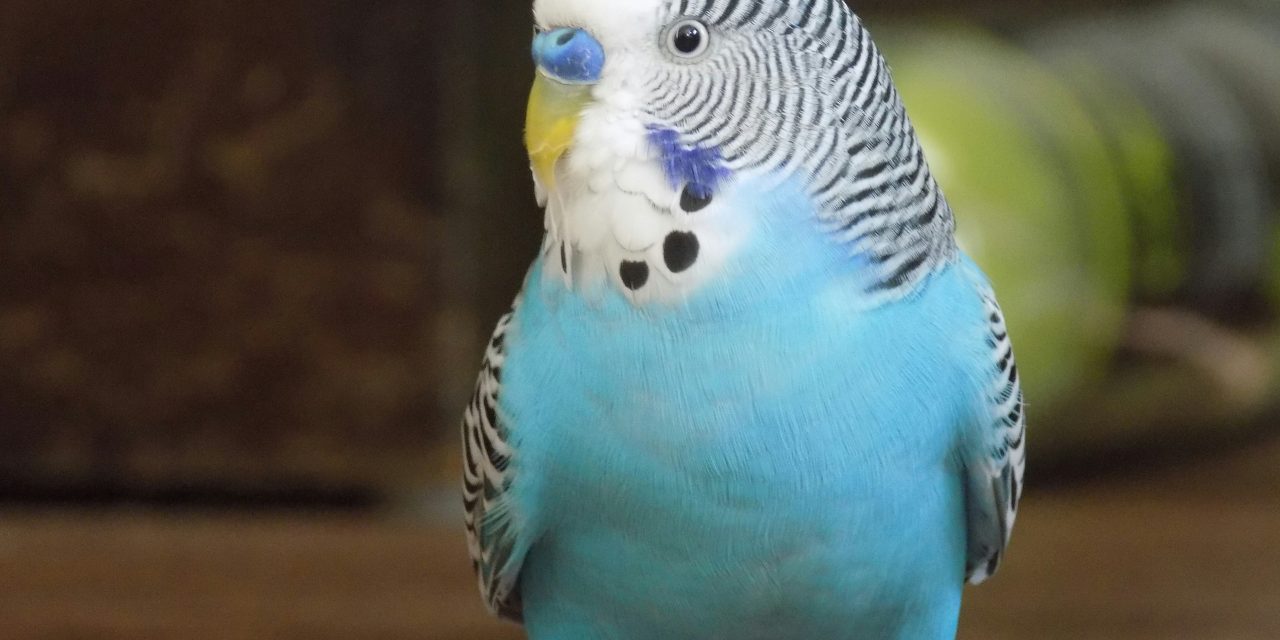
Feather health is a critical aspect of avian care that significantly impacts the overall well-being of pet birds. Feathers serve multiple essential functions, including insulation, protection from environmental elements, and aiding in flight. Healthy plumage not only enhances a bird’s aesthetic appeal but also plays a vital role in its physical health and psychological stability. When feathers are compromised, it can lead to a cascade of issues, including stress, behavioral problems, and susceptibility to diseases.
Moreover, the condition of a bird’s feathers can serve as an indicator of its overall health status. Dull, brittle, or missing feathers may signal underlying health issues such as nutritional deficiencies, hormonal imbalances, or parasitic infestations. Therefore, understanding the importance of feather health is paramount for any avian enthusiast or pet owner. By prioritizing feather care, owners can ensure their birds lead healthier, happier lives.
Providing a Balanced and Nutritious Diet
A balanced and nutritious diet is foundational to maintaining feather health in pet birds. Birds require a diverse array of nutrients to support feather growth and maintenance, including proteins, vitamins, and minerals. High-quality pellets should form the basis of their diet, supplemented with fresh fruits, vegetables, and seeds. Proteins are particularly crucial as they provide the building blocks for keratin, the primary structural component of feathers.
Specific nutrients play pivotal roles in feather health. For instance, Vitamin A is essential for skin health and feather development, while B vitamins contribute to overall vitality and energy levels. Omega-3 fatty acids are also beneficial for maintaining feather sheen and preventing dryness. Owners should consult with avian nutritionists or veterinarians to tailor a diet that meets their bird’s specific needs based on species, age, and health status.
Ensuring Access to Clean, Fresh Water

Access to clean, fresh water is another fundamental aspect of feather health that is often overlooked. Hydration is crucial for maintaining skin elasticity and feather integrity. Dehydration can lead to dry skin and brittle feathers, making birds more susceptible to feather plucking and other behavioral issues. It is essential to provide fresh water daily and ensure that drinking vessels are cleaned regularly to prevent bacterial growth.
In addition to drinking water, birds may benefit from occasional misting or bathing opportunities that help maintain feather moisture. This practice not only hydrates the feathers but also encourages natural preening behaviors that are vital for feather maintenance. Owners should monitor their birds’ water intake and adjust their hydration strategies based on environmental conditions and the bird’s activity level.
Creating a Suitable and Stress-Free Environment

Creating a suitable and stress-free environment is crucial for promoting feather health in pet birds. Birds are highly sensitive creatures that thrive in stable surroundings. Environmental stressors such as loud noises, sudden temperature changes, or the presence of predators can lead to anxiety and subsequent feather-related issues. Providing a safe and enriching habitat can significantly reduce stress levels.
Enrichment activities such as toys, perches of varying textures, and opportunities for social interaction can help keep birds mentally stimulated and engaged. Additionally, ensuring that their living space is adequately sized allows for natural movement patterns that contribute to physical health. A calm environment fosters a sense of security that is essential for maintaining healthy plumage.
Regular Grooming and Feather Care Techniques
Regular grooming is an integral part of feather care that should not be neglected. Grooming helps remove dirt, dust, and debris from feathers while also distributing natural oils produced by the skin. This process not only enhances feather appearance but also contributes to overall feather health by preventing matting and breakage.
Techniques such as gentle brushing with a soft-bristled brush can help maintain feather condition without causing harm. Additionally, owners should be vigilant about checking for signs of feather damage or abnormalities during grooming sessions. Regularly inspecting feathers allows for early detection of potential issues such as mites or infections, enabling prompt intervention.
Offering Opportunities for Bathing and Preening
Bathing is a natural behavior that plays a significant role in maintaining feather health among pet birds. Providing opportunities for bathing encourages birds to engage in preening behaviors that help keep feathers clean and well-maintained. Birds may enjoy shallow dishes filled with water or misting with a spray bottle designed for avian use.
Preening not only cleans feathers but also helps distribute oils that keep them waterproof and resilient. Owners should observe their birds’ bathing preferences and create an environment conducive to this behavior. Regular bathing can prevent issues such as feather breakage and promote vibrant plumage.
Monitoring for Signs of Feather Damage or Disease
Monitoring for signs of feather damage or disease is essential for early intervention and treatment. Pet owners should be vigilant about observing their birds’ plumage for any abnormalities such as excessive molting, discoloration, or bald patches. These signs may indicate underlying health issues that require immediate attention from an avian veterinarian.
Additionally, behavioral changes such as increased preening or feather plucking can signal stress or discomfort. Keeping a close eye on these indicators allows owners to address potential problems before they escalate into more severe conditions. Regular veterinary check-ups can also aid in identifying any underlying health concerns affecting feather quality.
Preventing Parasites That Affect Feather Quality
Parasites pose a significant threat to feather health in pet birds. Infestations by mites or lice can lead to severe itching, discomfort, and subsequent feather loss. Preventative measures are crucial in safeguarding against these pests. Regular cleaning of the bird’s living environment, including cages and toys, can help minimize the risk of infestations.
In addition to cleanliness, owners should consider using avian-safe parasite prevention products recommended by veterinarians. Regular veterinary check-ups can also aid in early detection of parasitic infestations before they cause significant damage to feathers.
Using Supplements to Support Feather Growth
In some cases, dietary supplements may be beneficial in supporting feather growth and overall health in pet birds. Supplements containing essential fatty acids, vitamins A and E, and biotin can enhance feather quality and promote healthy plumage development. However, it is crucial to consult with an avian veterinarian before introducing any supplements into a bird’s diet.
Veterinarians may recommend specific formulations based on the bird’s species, age, and existing health conditions. Proper dosage and administration are vital to ensure safety and efficacy when using supplements for feather care.
Consulting an Avian Veterinarian for Feather Concerns
Consulting an avian veterinarian is paramount when addressing any concerns related to feather health. These specialists possess the expertise necessary to diagnose underlying conditions affecting plumage quality accurately. They can conduct thorough examinations and recommend appropriate treatment plans tailored to individual birds.
Veterinarians may perform diagnostic tests such as blood work or skin scrapings to identify potential infections or nutritional deficiencies contributing to feather problems. Early intervention through professional guidance can significantly improve outcomes for birds experiencing feather-related issues.
Encouraging Natural Behaviors to Promote Feather Maintenance
Encouraging natural behaviors is essential for promoting optimal feather maintenance in pet birds. Activities such as climbing, flying (if space permits), and social interaction mimic their natural instincts and contribute to physical well-being. Providing opportunities for exploration within a safe environment fosters mental stimulation that positively impacts overall health.
Additionally, allowing birds to engage in natural preening behaviors helps maintain feather integrity while reducing stress levels associated with confinement or boredom. Owners should strive to create an enriching environment that encourages these behaviors while ensuring safety at all times.
In summary, maintaining feather health in pet birds requires a multifaceted approach encompassing proper nutrition, hydration, environmental enrichment, grooming practices, monitoring for signs of distress or disease, parasite prevention strategies, supplementation when necessary, professional veterinary consultation when needed, and encouragement of natural behaviors. By prioritizing these aspects of care, pet owners can significantly enhance their birds’ quality of life while ensuring vibrant plumage remains a hallmark of their well-being.
FAQs
What are the main factors that affect a pet bird’s feather health?
Several factors can influence a pet bird’s feather health, including diet, environmental conditions, and grooming habits. A balanced diet rich in vitamins and minerals, particularly vitamin A, is essential for feather growth. Additionally, maintaining a clean and humid environment can prevent feather damage, while regular grooming helps remove dirt and debris that can affect feather quality.
How can I improve my bird’s diet for better feather health?
To enhance your bird’s diet for optimal feather health, provide a variety of fresh fruits, vegetables, and high-quality pellets. Foods rich in omega-3 fatty acids, such as flaxseeds and walnuts, can also promote healthy feathers. Avoid excessive seeds and processed foods, as they may lack essential nutrients needed for feather maintenance.
What role does bathing play in maintaining a bird’s feathers?
Bathing is crucial for maintaining a bird’s feathers as it helps remove dust, dirt, and excess oils that can accumulate. Regular bathing, whether through misting or providing a shallow dish of water, keeps feathers clean and allows for better preening. This process also helps distribute natural oils, which are vital for feather flexibility and waterproofing.
How often should I groom my pet bird to ensure healthy feathers?
Grooming frequency can vary depending on the species and individual needs of your bird. Generally, regular grooming sessions should occur at least once a week. This includes checking for any damaged feathers, removing loose feathers, and ensuring that the beak and nails are properly maintained. Frequent grooming helps promote healthy feather growth and overall well-being.
What signs indicate that my bird may have feather-related health issues?
Signs of feather-related health issues in birds can include excessive feather plucking, dull or frayed feathers, and changes in feather color or texture. Additionally, if your bird is experiencing difficulty flying or has bald patches, it may indicate underlying health problems. If you notice any of these symptoms, it is essential to consult a veterinarian for a thorough examination.