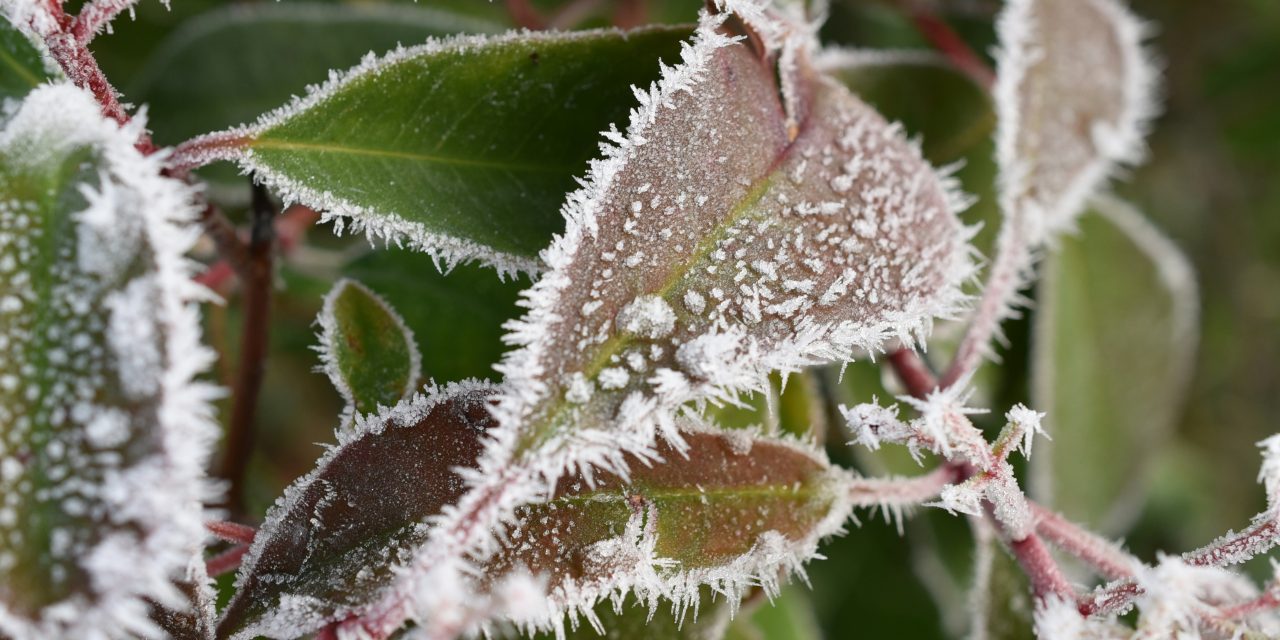
Frost is a meteorological phenomenon that occurs when temperatures drop below the freezing point of water, typically at or below 0°C (32°F). This chilling effect can have detrimental consequences for various plant species, particularly those that are sensitive to cold. Frost can lead to cellular damage in plants, causing wilting, discoloration, and even death of plant tissues. The severity of frost damage often depends on the duration of exposure and the specific plant species involved. For instance, tender annuals such as petunias and tomatoes are particularly vulnerable, while some perennials may withstand light frosts with minimal impact.
The physiological response of plants to frost involves the formation of ice crystals within their cells. These crystals can puncture cell membranes, leading to leakage of cellular contents and ultimately cell death. Additionally, frost can inhibit photosynthesis by damaging chlorophyll, the pigment responsible for capturing sunlight. Understanding these mechanisms is crucial for gardeners and horticulturists aiming to protect their plants from frost-related damage. By recognizing the signs of frost damage and the conditions that lead to its occurrence, proactive measures can be implemented to safeguard plant health.
Choosing Frost-Resistant Plant Varieties
Selecting frost-resistant plant varieties is a fundamental strategy for mitigating the adverse effects of frost on gardens and landscapes. Certain species have evolved adaptations that enable them to thrive in colder climates. For example, varieties such as pansies, snapdragons, and kale exhibit remarkable resilience to frost conditions. These plants possess physiological traits that allow them to tolerate lower temperatures, making them ideal choices for gardeners in regions prone to frost.
When choosing frost-resistant varieties, it is essential to consider not only the plant’s hardiness zone but also its specific growth requirements. For instance, some frost-tolerant plants may prefer well-drained soil or specific light conditions. Additionally, incorporating native species into your garden can enhance resilience against local climatic challenges. By selecting appropriate varieties, gardeners can create a more robust landscape that withstands the rigors of seasonal temperature fluctuations.
Covering Plants with Protective Materials

One effective method for protecting plants from frost is to cover them with protective materials. This approach acts as a barrier against cold air and frost formation. Common materials used for this purpose include burlap, frost cloths, and even old sheets. When covering plants, it is crucial to ensure that the material is breathable to prevent moisture buildup, which can lead to fungal diseases.
The timing of covering plants is critical; it should be done in the late afternoon or early evening before temperatures drop significantly. This allows the protective layer to trap heat radiating from the soil and plant tissues. Additionally, securing the covers with stakes or weights can prevent them from being blown away by wind. By employing this simple yet effective technique, gardeners can significantly reduce the risk of frost damage and promote healthier plant growth.
Using Mulch to Insulate Roots

Mulching is a widely recognized practice in gardening that serves multiple purposes, one of which is root insulation during cold weather. Organic mulches such as straw, wood chips, or shredded leaves create a protective layer over the soil surface, helping to regulate soil temperature and retain moisture. This insulation effect is particularly beneficial for perennial plants and newly established seedlings that may be more susceptible to frost.
Applying mulch before the onset of frost can help maintain a more stable root environment by preventing rapid temperature fluctuations. A layer of mulch approximately 2-4 inches thick is generally recommended for optimal insulation. Furthermore, mulch contributes to soil health by decomposing over time and enriching the soil with organic matter. By incorporating mulching into seasonal garden preparations, gardeners can enhance plant resilience against frost while promoting overall soil vitality.
Watering Plants Before Frost Hits
Watering plants adequately before a frost event is a crucial preventive measure that can mitigate frost damage. Moist soil retains heat more effectively than dry soil, creating a microclimate that can protect plant roots from extreme cold. When water evaporates from the soil surface, it releases latent heat, which helps maintain a warmer environment around the plants.
It is advisable to water plants thoroughly in the days leading up to a predicted frost event. However, care should be taken not to overwater, as saturated soil can lead to root rot and other complications. A well-hydrated plant is better equipped to withstand cold temperatures and recover from any potential frost damage. By integrating proper watering practices into garden maintenance routines, gardeners can bolster their plants’ defenses against frost.
Bringing Potted Plants Indoors
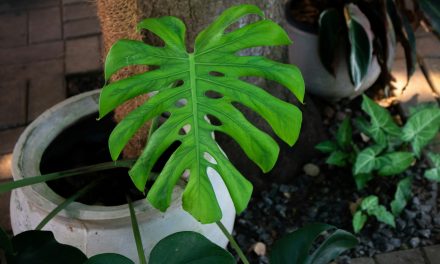
For gardeners with potted plants, bringing them indoors during frost events is an effective strategy for protection. Potted plants are particularly vulnerable because their roots are exposed to colder temperatures than those planted in the ground. Transitioning these plants indoors allows them to benefit from a controlled environment where temperatures remain stable.
When relocating potted plants indoors, it is essential to acclimate them gradually to prevent shock from sudden temperature changes. Placing them in a cool room with indirect sunlight can help ease this transition. Additionally, monitoring indoor humidity levels is important; dry indoor air can stress plants that are accustomed to outdoor conditions. By taking these precautions, gardeners can ensure their potted plants thrive throughout the colder months.
Creating Windbreaks to Reduce Exposure
Windbreaks serve as an effective means of reducing exposure to cold winds that exacerbate frost conditions. These barriers can be created using natural elements such as hedges or trees or constructed using fences or trellises. By strategically positioning windbreaks around vulnerable plants or garden areas, gardeners can create sheltered microclimates that mitigate the chilling effects of wind.
The height and density of windbreaks play a significant role in their effectiveness; taller and denser barriers provide better protection against strong winds. Additionally, incorporating multiple layers of vegetation can enhance wind resistance while promoting biodiversity in the garden. By implementing windbreaks as part of garden design, gardeners can create a more favorable environment for plant growth during colder months.
Utilizing Garden Cloches and Cold Frames
Garden cloches and cold frames are invaluable tools for protecting plants from frost while extending the growing season. Cloches are typically individual protective covers placed over individual plants or seedlings, while cold frames are larger structures that provide a greenhouse-like environment for multiple plants.
Cloches can be made from various materials such as glass or plastic and serve to trap heat while allowing sunlight penetration. Cold frames consist of a transparent lid that can be opened or closed based on temperature conditions. Both options create a microclimate that helps maintain warmer temperatures around plants during frosty nights.
Using these protective structures not only safeguards plants from frost but also promotes earlier planting in spring and extended harvesting in fall. By incorporating cloches and cold frames into gardening practices, enthusiasts can maximize their growing potential while minimizing frost-related risks.
Applying Anti-Transpirant Sprays
Anti-transpirant sprays are specialized products designed to reduce water loss from plant leaves during stressful environmental conditions such as frost or drought. These sprays form a thin film on leaf surfaces that minimizes transpiration—the process by which water evaporates from plant tissues.
By applying anti-transpirant sprays before anticipated frost events, gardeners can help their plants retain moisture and reduce stress levels associated with cold exposure. This added layer of protection enhances overall plant resilience and promotes recovery after frost damage occurs.
It is essential to follow manufacturer instructions when applying these sprays to ensure optimal effectiveness without harming plant tissues. Regular application may be necessary during periods of extreme weather fluctuations to maintain protective benefits.
Monitoring Weather Forecasts for Timely Action
Staying informed about weather forecasts is crucial for effective frost management in gardening practices. Utilizing reliable weather apps or local meteorological services allows gardeners to anticipate impending frost events and take timely action to protect their plants.
Monitoring temperature trends not only helps in preparing for immediate frost threats but also aids in long-term planning for seasonal changes in gardening practices. By being proactive rather than reactive, gardeners can implement protective measures such as covering plants or adjusting watering schedules based on forecasted conditions.
Establishing a routine for checking weather updates ensures that gardeners remain vigilant against unexpected temperature drops and can safeguard their investments in time-sensitive crops or ornamental plants.
Preparing Your Garden for Seasonal Changes
Preparing your garden for seasonal changes involves a comprehensive approach that encompasses various strategies aimed at enhancing plant resilience against frost and other environmental stressors. This preparation begins with assessing existing plant varieties and determining their hardiness levels relative to local climate conditions.
In addition to selecting appropriate plant species, implementing cultural practices such as proper mulching, watering techniques, and protective coverings contributes significantly to overall garden health during colder months. Regular maintenance tasks like pruning dead or damaged branches also promote airflow and reduce disease susceptibility.
Furthermore, creating a seasonal planting schedule allows gardeners to optimize their growing potential by aligning planting times with favorable weather conditions. By adopting a holistic approach to garden preparation, enthusiasts can cultivate thriving landscapes that withstand seasonal challenges while maximizing productivity throughout the year.
In summary, understanding frost’s impact on plants is essential for effective gardening practices aimed at minimizing damage during colder months. By choosing frost-resistant varieties, utilizing protective coverings, employing mulching techniques, ensuring adequate watering, relocating potted plants indoors, creating windbreaks, utilizing cloches and cold frames, applying anti-transpirant sprays, monitoring weather forecasts diligently, and preparing gardens comprehensively for seasonal changes—gardeners can significantly enhance their ability to protect their investments while fostering healthy growth year-round.
FAQs
What are some effective methods to cover plants from frost?
Effective methods to cover plants from frost include using frost cloths, blankets, or old sheets to create a protective layer. You can also use cardboard boxes or plastic containers to shield smaller plants. Ensure that the covers reach the ground to trap heat and remove them in the morning to allow sunlight in.
When should I cover my plants to protect them from frost?
It is best to cover your plants in the late afternoon or early evening before temperatures drop. This allows the protective covering to trap heat from the ground overnight. Remove the covers in the morning once temperatures rise above freezing to prevent overheating.
Can I use water to protect my plants from frost?
Yes, watering your plants before a frost can help protect them. Moist soil retains heat better than dry soil, which can help keep the roots warm. However, avoid watering right before a frost, as wet foliage can freeze and cause damage.
What types of plants are most susceptible to frost damage?
Young seedlings, tender annuals, and tropical plants are most susceptible to frost damage. Vegetables like tomatoes, peppers, and cucumbers are also vulnerable. It’s important to monitor the weather and take precautions for these sensitive plants when frost is forecasted.
How can I create a microclimate to protect my plants from frost?
Creating a microclimate involves using structures like walls, fences, or hedges to shield plants from cold winds. Planting in raised beds or using mulch can also help retain heat. Additionally, grouping plants together can create a warmer environment, as they share heat and moisture.