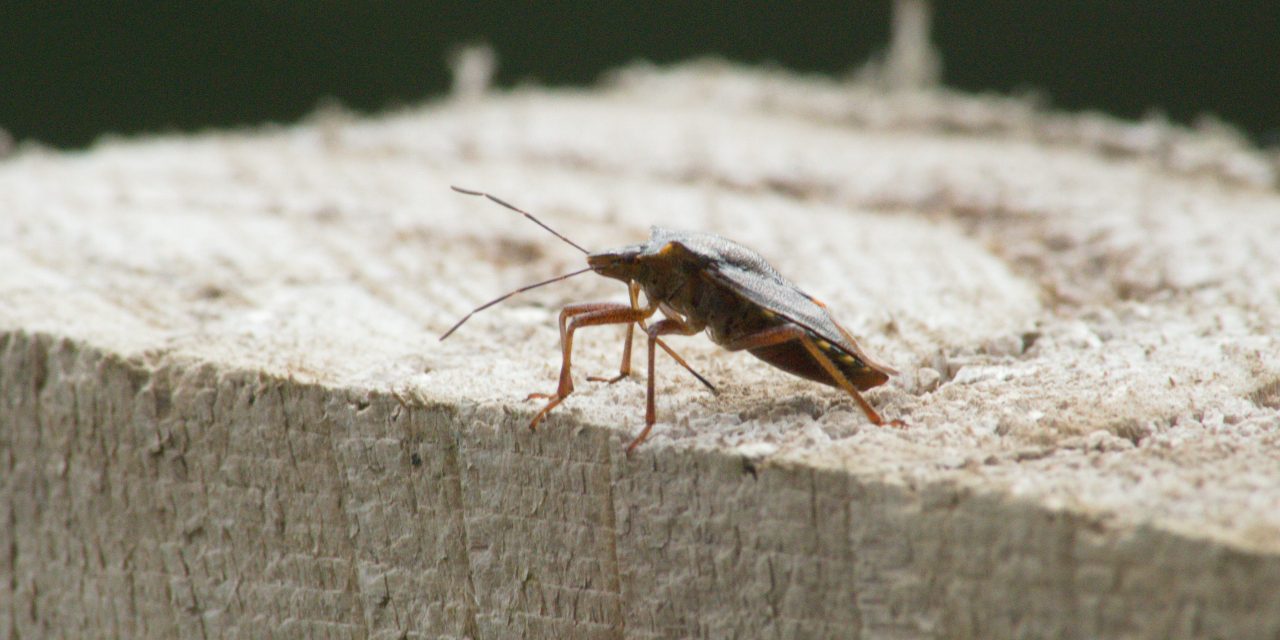
Cockroaches are resilient insects that have adapted to thrive in various environments, making them one of the most common pests in urban settings. Their behavior is characterized by nocturnal activity, which means they are primarily active during the night. This adaptation allows them to avoid predators and human detection. Cockroaches are omnivorous scavengers, consuming a wide range of organic materials, including food scraps, paper, and even glue. Their ability to survive on minimal sustenance contributes to their persistence in human habitats.
The reproductive capabilities of cockroaches are another factor that exacerbates infestations. A single female can produce up to 40 eggs in a single ootheca (egg case), and she can produce multiple oothecae throughout her lifetime. This exponential growth rate means that a small infestation can quickly escalate into a significant problem if not addressed promptly. Understanding these behaviors is crucial for effective pest control strategies, as it allows homeowners to anticipate potential hiding spots and nesting areas.
Common Cockroach Hiding Spots in the Kitchen
The kitchen is often a prime location for cockroach infestations due to the abundance of food sources and moisture. Common hiding spots include under sinks, behind appliances, and within cabinets. Cockroaches are attracted to areas where food particles accumulate, making it essential to maintain cleanliness in these spaces. Regularly cleaning countertops, floors, and behind appliances can significantly reduce the likelihood of attracting these pests.
Additionally, cockroaches tend to seek shelter in dark, warm areas. This behavior leads them to hide behind refrigerators, stoves, and dishwashers. These appliances often provide both warmth and access to food remnants, creating an ideal environment for cockroach habitation. Homeowners should routinely inspect these areas for signs of infestation, such as droppings or shed skins, which can indicate the presence of these unwanted guests.
Identifying Cockroach Nesting Areas in Bathrooms

Bathrooms are another common area where cockroaches can establish nests due to the availability of moisture and warmth. They often hide in places such as under sinks, behind toilets, and within shower stalls. The humid environment created by showers and baths provides an attractive habitat for these pests. Homeowners should pay close attention to these areas during inspections.
To identify potential nesting sites, look for signs such as droppings or egg cases near plumbing fixtures or in corners. Additionally, cockroaches may utilize gaps around pipes or drains as entry points into the bathroom. Sealing these gaps with caulk or other materials can help prevent their access and reduce the likelihood of an infestation.
Checking Behind and Under Appliances

Appliances are notorious hiding spots for cockroaches due to the warmth generated during operation and the accumulation of food debris. Checking behind and underneath appliances such as refrigerators, ovens, and microwaves is crucial for identifying potential infestations. These areas often provide a safe haven for cockroaches to breed and thrive.
When inspecting these spaces, homeowners should look for signs of activity, including droppings or shed skins. Additionally, it is essential to clean these areas regularly to eliminate any food sources that may attract cockroaches. Using a vacuum cleaner can help remove debris and make it easier to spot any signs of infestation.
Inspecting Cracks and Crevices in Walls and Floors
Cracks and crevices in walls and floors serve as entry points for cockroaches seeking shelter within homes. These small openings can be found around baseboards, window frames, and doorways. Cockroaches can squeeze through remarkably tight spaces, making it essential to conduct thorough inspections of these areas.
To effectively inspect cracks and crevices, homeowners should use a flashlight to illuminate dark spaces. Look for signs of droppings or egg cases near these openings, as they can indicate active infestations. Sealing these gaps with caulk or other materials can help prevent cockroaches from entering the home and reduce their hiding places.
Searching Inside Cabinets and Pantry Shelves
Cabinets and pantry shelves are prime locations for cockroach activity due to the easy access to food sources. These insects are known to invade food storage areas, leading to contamination of consumables. Homeowners should regularly inspect cabinets and pantry shelves for signs of infestation.
When searching these areas, pay attention to food packaging for any signs of gnawing or damage. Additionally, look for droppings or egg cases hidden in corners or behind items stored on shelves. Keeping food stored in airtight containers can help deter cockroaches from accessing these resources.
Examining Furniture and Upholstery for Hidden Roaches
Cockroaches are not limited to kitchens and bathrooms; they can also hide within furniture and upholstery. Sofas, chairs, and other upholstered items provide dark spaces where cockroaches can nest undisturbed. Homeowners should examine furniture thoroughly during inspections.
To check for hidden roaches, carefully inspect seams, cushions, and under furniture pieces. Look for droppings or shed skins that may indicate an infestation. Regular cleaning of upholstery through vacuuming can help eliminate potential hiding spots while also reducing allergens associated with cockroach droppings.
Looking Into Electrical Outlets and Appliances
Electrical outlets and appliances can serve as unexpected hiding spots for cockroaches due to their warmth and accessibility. Cockroaches may enter homes through electrical conduits or find refuge within appliances that generate heat during operation. Homeowners should be vigilant when inspecting these areas.
To check electrical outlets, turn off power before removing outlet covers for inspection. Look for signs of activity such as droppings or egg cases within the outlet box. Additionally, inspect appliances like microwaves or televisions for any signs of infestation around vents or openings.
Detecting Signs of Cockroach Activity: Droppings and Egg Cases
Detecting signs of cockroach activity is crucial for early intervention in pest control efforts. Common indicators include droppings, which resemble small black specks or coffee grounds, and egg cases (oothecae), which are brownish and oval-shaped. These signs can often be found in areas where cockroaches are likely to hide.
Homeowners should familiarize themselves with the appearance of these indicators to identify infestations promptly. Regular inspections of common hiding spots can help catch infestations early before they escalate into larger problems.
Using a Flashlight and Other Tools to Spot Hidden Roaches
Utilizing tools such as flashlights can significantly enhance the effectiveness of inspections for hidden cockroaches. A flashlight allows homeowners to illuminate dark corners and crevices where cockroaches may be hiding. Additionally, using a magnifying glass can help identify smaller signs of infestation that may otherwise go unnoticed.
When conducting inspections, it is essential to be thorough and methodical. Move furniture as needed to access hidden areas and use tools like vacuums or sticky traps to capture any visible roaches during the inspection process.
Preventative Measures to Reduce Cockroach Hiding Places
Preventing cockroach infestations requires a proactive approach focused on reducing potential hiding places and food sources. Homeowners should implement several strategies to minimize the risk of attracting these pests:
1. **Maintain Cleanliness**: Regularly clean kitchens, bathrooms, and living areas to eliminate food debris.
2. **Seal Entry Points**: Use caulk or weather stripping to seal cracks around windows, doors, and plumbing fixtures.
3. **Store Food Properly**: Keep food stored in airtight containers to deter access.
4. **Reduce Moisture**: Fix leaks promptly and use dehumidifiers in damp areas.
5. **Regular Inspections**: Conduct routine inspections of common hiding spots to catch infestations early.
By implementing these preventative measures, homeowners can significantly reduce the likelihood of encountering cockroach infestations in their homes.
In summary, understanding cockroach behavior is essential for effective pest management strategies. By identifying common hiding spots in kitchens and bathrooms, checking behind appliances, inspecting cracks in walls, searching inside cabinets, examining furniture, looking into electrical outlets, detecting signs of activity, utilizing tools for inspections, and implementing preventative measures, homeowners can effectively combat cockroach infestations before they escalate into larger problems. Regular maintenance and vigilance are key components in maintaining a pest-free environment.
FAQs
What are common hiding places for cockroaches in a home?
Cockroaches typically hide in dark, warm, and moist areas. Common hiding places include under sinks, behind appliances, inside cabinets, in cracks and crevices, and within wall voids. They are also often found in basements, attics, and near plumbing fixtures.
How can I identify signs of a cockroach infestation?
Signs of a cockroach infestation include the presence of droppings, which resemble small black specks, shed skins, and egg cases. Additionally, a musty odor may be present, and you may spot live cockroaches, especially at night when they are most active.
What preventive measures can I take to reduce cockroach hiding places?
To reduce cockroach hiding places, keep your home clean and free of food debris. Seal cracks and crevices, fix leaks to eliminate moisture, and store food in airtight containers. Regularly declutter areas where cockroaches may hide, such as basements and garages.
Are there specific tools or methods to find cockroach hiding spots?
Yes, tools such as flashlights can help you inspect dark areas. Sticky traps can also be placed in suspected hiding spots to monitor cockroach activity. Additionally, using a magnifying glass can help you spot droppings or egg cases in hard-to-see areas.
When should I consider calling a pest control professional for cockroach issues?
If you notice a significant number of cockroaches, find them in multiple areas of your home, or if DIY methods do not seem effective, it may be time to call a pest control professional. They can provide a thorough inspection and implement targeted treatments to eliminate the infestation.