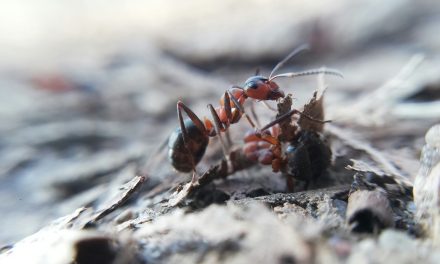
Ants are fascinating social insects that exhibit complex behaviors and intricate nesting habits. They belong to the family Formicidae and are characterized by their highly organized colonies, which can range from a few dozen individuals to millions. Ants are divided into various castes, including workers, soldiers, and reproductive individuals, each fulfilling specific roles within the colony. The worker ants are responsible for foraging, caring for the queen’s offspring, and maintaining the nest, while soldiers protect the colony from threats.
Nesting habits vary significantly among ant species. Some ants build elaborate underground tunnels, while others prefer to nest in decaying wood or within the soil. Certain species, such as carpenter ants, excavate wood to create their nests, leading to structural damage in homes. Understanding these nesting behaviors is crucial for effective pest management, as it allows homeowners to identify potential entry points and nesting sites within their properties.
The Role of Pheromones in Ant Trail Formation
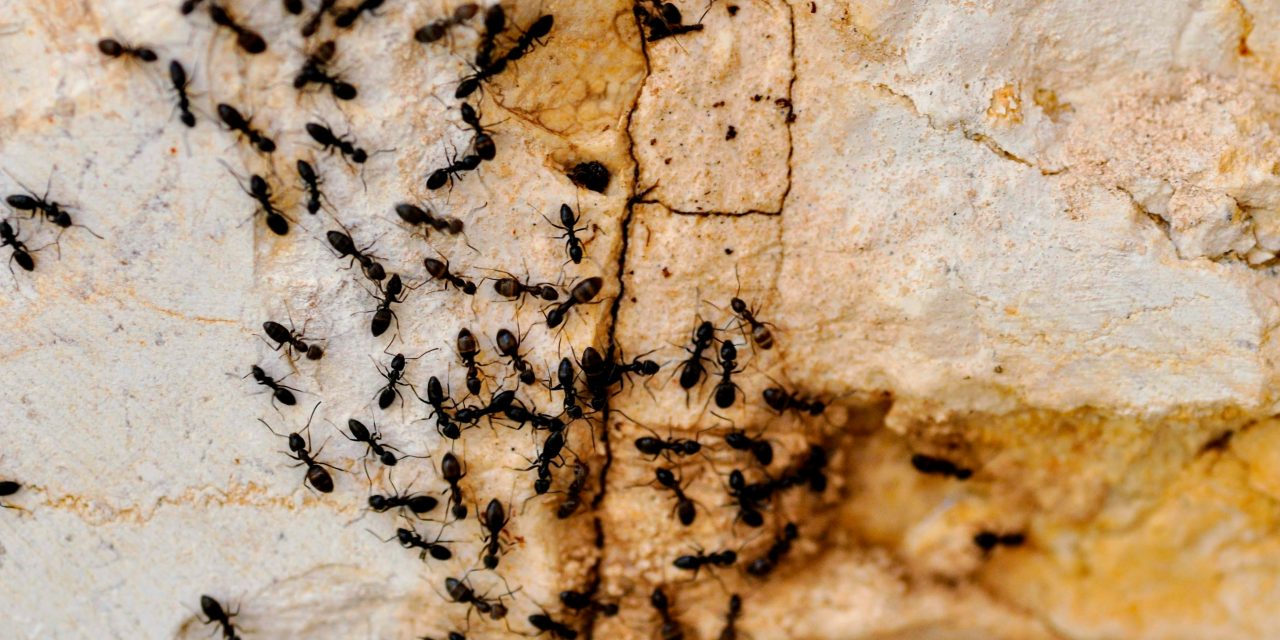
Pheromones play a pivotal role in ant communication and navigation. These chemical signals are secreted by ants to convey information about food sources, danger, or the location of their nest. When a foraging ant discovers food, it releases a trail pheromone that guides other ants to the resource. This pheromone trail can be remarkably persistent, allowing multiple ants to follow the same path to the food source.
The process of trail formation is a remarkable example of collective behavior. As more ants follow the trail and reinforce it with additional pheromones, the scent becomes stronger, attracting even more workers. This phenomenon can lead to a rapid influx of ants at a food source, making it essential for homeowners to address ant infestations promptly. Disrupting these pheromone trails can be an effective strategy for controlling ant populations.
How Food Residue Attracts Ants Even After Cleaning

Even after thorough cleaning, food residue can remain undetected and continue to attract ants. Ants possess an acute sense of smell, allowing them to detect even trace amounts of food particles. Common household items such as crumbs, spills, and residues from pet food can serve as an irresistible lure for these pests. Moreover, certain foods like sugary substances or greasy residues are particularly enticing.
To effectively deter ants, it is crucial to adopt a meticulous cleaning regimen that targets potential food sources. This includes vacuuming regularly, wiping down surfaces with disinfectants, and sealing food in airtight containers. However, it is essential to recognize that even the most diligent cleaning efforts may not eliminate all food residues. Therefore, understanding how ants locate food sources is vital for preventing future infestations.
The Importance of Identifying the Ant Species

Identifying the specific ant species invading your home is critical for implementing effective control measures. Different species exhibit varying behaviors, nesting preferences, and dietary needs. For instance, carpenter ants are known for their wood-destroying habits, while sugar ants are attracted to sweet substances. Knowing the species can help homeowners tailor their pest management strategies accordingly.
Moreover, some ant species are more aggressive than others and may require different approaches for eradication. For example, fire ants are notorious for their painful stings and aggressive behavior, necessitating immediate action upon identification. By understanding the characteristics of the invading species, homeowners can make informed decisions about treatment options and prevention strategies.
Why Incomplete Cleaning Invites Ants Back
Incomplete cleaning practices can inadvertently invite ants back into your home. Even minor oversights, such as leaving crumbs on countertops or neglecting to clean under appliances, can create an inviting environment for these pests. Ants are opportunistic feeders and will exploit any available food source, no matter how small.
Additionally, if cleaning efforts do not address potential nesting sites or entry points, ants may continue to infiltrate your home. It is essential to adopt a comprehensive cleaning approach that includes not only surface cleaning but also inspecting hidden areas where ants may establish nests or find shelter. By ensuring that all potential attractants are eliminated, homeowners can significantly reduce the likelihood of future infestations.
The Impact of Moisture and Environmental Factors
Moisture plays a significant role in attracting ants and influencing their nesting habits. Many ant species thrive in humid environments and seek out sources of moisture for survival. Leaky pipes, standing water, or high humidity levels can create ideal conditions for ant colonies to flourish within or near your home.
Environmental factors such as temperature and seasonal changes also impact ant behavior. During warmer months, ants become more active as they search for food and establish new colonies. Homeowners should be vigilant during these times and take proactive measures to eliminate potential attractants and entry points. Addressing moisture issues through proper drainage and sealing leaks can significantly reduce the likelihood of ant infestations.
Common Household Areas Where Ants Reappear
Certain areas within homes are more susceptible to ant infestations due to their proximity to food sources or nesting sites. Kitchens are often ground zero for ant activity, as they provide easy access to crumbs and spills. Additionally, pantries and dining areas are common hotspots where ants can find sustenance.
Bathrooms and laundry rooms may also attract ants due to moisture levels and potential food sources like soap residue or damp towels. Homeowners should pay close attention to these areas when implementing pest control measures. Regular inspections and targeted cleaning efforts in these high-risk zones can help prevent ants from reestablishing themselves in your living space.
How Ant Colonies Communicate and Adapt
Ant colonies exhibit remarkable communication skills that enable them to function as cohesive units. Through pheromones, tactile signals, and even sound vibrations, ants convey vital information about food sources, threats, and colony needs. This sophisticated communication system allows colonies to adapt quickly to changing environments and challenges.
Moreover, ant colonies demonstrate remarkable resilience and adaptability in response to environmental pressures. When faced with threats or resource scarcity, colonies may alter their foraging patterns or even relocate their nests entirely. Understanding these adaptive behaviors is crucial for developing effective pest management strategies that account for the dynamic nature of ant populations.
Effective Cleaning Techniques to Deter Ants
Implementing effective cleaning techniques is essential for deterring ants from invading your home. Start by adopting a routine cleaning schedule that includes vacuuming floors regularly to remove crumbs and debris. Pay special attention to corners, under appliances, and behind furniture where food particles may accumulate.
Utilizing disinfectants on surfaces can help eliminate pheromone trails left by ants while also removing any lingering food residues that may attract them. Additionally, sealing cracks and crevices around windows and doors can prevent ants from entering your home in the first place. By combining thorough cleaning with preventive measures, homeowners can create an inhospitable environment for ants.
Using Natural and Chemical Repellents Safely
When dealing with ant infestations, homeowners have various options for repellents—both natural and chemical. Natural repellents such as vinegar, essential oils (like peppermint or tea tree oil), and diatomaceous earth can deter ants without introducing harmful chemicals into your home environment.
Chemical repellents may also be effective but should be used with caution. Always follow manufacturer instructions carefully when applying chemical treatments to ensure safety for both humans and pets. Additionally, consider using bait traps that target specific ant species while minimizing exposure to non-target organisms.
When to Call Professional Pest Control for Persistent Ant Problems
In cases where ant infestations persist despite diligent cleaning efforts and DIY treatments, it may be time to consult professional pest control services. Experienced pest control technicians possess specialized knowledge about ant behavior and effective eradication methods tailored to specific species.
Professional services often employ integrated pest management (IPM) strategies that combine multiple approaches—such as habitat modification, exclusion techniques, and targeted treatments—to achieve long-term results. If you notice signs of extensive nesting or repeated infestations despite your best efforts, seeking professional assistance can provide peace of mind and ensure a thorough resolution.
In summary, understanding ant behavior is crucial for effective pest management in households prone to infestations. By recognizing the role of pheromones in trail formation, identifying species accurately, addressing moisture issues, and implementing thorough cleaning techniques, homeowners can significantly reduce the likelihood of ant invasions. Utilizing both natural and chemical repellents safely enhances deterrence efforts while knowing when to seek professional help ensures lasting solutions against persistent ant problems.
FAQs
Why do ants return after cleaning?
Ants often return after cleaning because they follow pheromone trails left by other ants. Even after cleaning, if any trace of these pheromones remains, it can attract more ants back to the area.
What attracts ants to my home?
Ants are typically attracted to food sources, moisture, and shelter. Common attractants include crumbs, spills, pet food, and even sweet substances. They may also seek out damp areas for water.
How can I effectively eliminate ants?
To effectively eliminate ants, it’s important to identify and remove their food sources, seal entry points, and use ant baits or insecticides. Regular cleaning and maintenance can also help deter them from returning.
Do ants have a memory of their trails?
Yes, ants have a form of memory that allows them to remember pheromone trails. This helps them navigate back to food sources and communicate with other ants about the location of resources.
Can cleaning products deter ants?
Some cleaning products can deter ants by disrupting their pheromone trails. However, if food sources remain, ants may continue to return. It’s best to combine cleaning with other pest control methods for effectiveness.