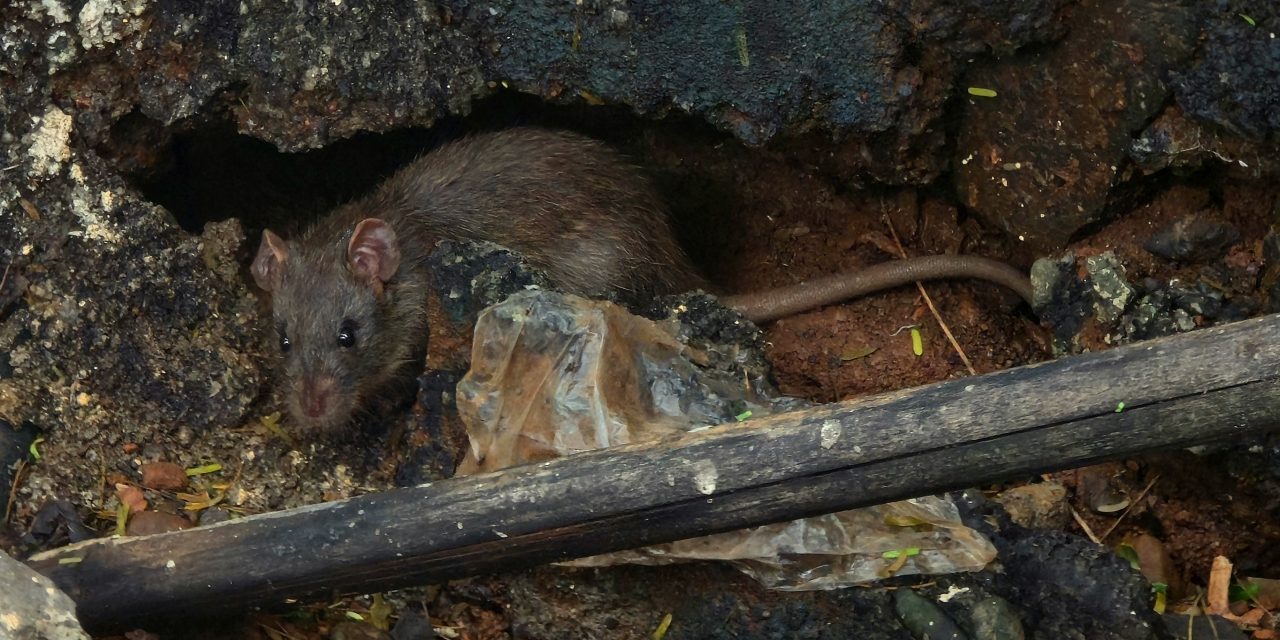
The significance of sealing mouse entry points cannot be overstated, particularly for homeowners seeking to maintain a healthy and safe living environment. Rodents, specifically mice, are notorious for their ability to infiltrate homes, leading to a myriad of problems including property damage, contamination of food supplies, and the potential transmission of diseases. Mice can reproduce rapidly, with a single female capable of producing up to 10 litters annually, each containing 5 to 6 offspring. This exponential growth can quickly escalate into a full-blown infestation if not addressed promptly.
Moreover, mice are vectors for various pathogens, including hantavirus, leptospirosis, and salmonella. Their droppings and urine can contaminate surfaces and food items, posing serious health risks to humans and pets alike. By sealing entry points effectively, homeowners can significantly reduce the likelihood of rodent infestations, thereby safeguarding their health and preserving the integrity of their property. This proactive approach not only mitigates immediate risks but also contributes to long-term peace of mind.
Identifying Common Mouse Entry Points in Your Home
Mice are adept at finding their way into homes through surprisingly small openings. Understanding where these entry points typically occur is crucial for effective pest management. Common entry points include gaps around doors and windows, cracks in the foundation, and openings around utility lines. Mice can squeeze through holes as small as a dime, making it essential to conduct a thorough inspection of your home’s exterior.
Additionally, attics and basements are often overlooked areas where mice can gain access. Vents that lead to the outside environment can also serve as potential gateways for these pests. Identifying these common entry points is the first step in implementing a comprehensive sealing strategy that will protect your home from unwanted rodent guests.
Inspecting the Exterior Perimeter for Potential Openings

A meticulous inspection of the exterior perimeter of your home is vital in identifying potential openings that could allow mice to enter. Begin by examining the foundation for cracks or gaps that may have developed over time due to settling or weather-related wear. Pay close attention to areas where different materials meet, such as where brick meets wood or concrete meets siding, as these junctions can often harbor vulnerabilities.
Furthermore, inspect the area around windows and doors for any signs of wear or damage. Look for gaps in caulking or weather stripping that may have deteriorated. It is also advisable to check for any holes created by pests or natural wear and tear. By thoroughly assessing the exterior perimeter, homeowners can pinpoint areas that require immediate attention and sealing.
Checking Doors and Windows for Gaps and Cracks

Doors and windows are primary access points for mice, making it imperative to check them regularly for gaps and cracks. Start by examining the weather stripping around doors; if it is worn or missing, it should be replaced promptly. A tight seal not only prevents mice from entering but also enhances energy efficiency by reducing drafts.
Windows should also be scrutinized for any cracks in the glass or gaps in the frame. If you notice any issues, consider applying caulk or replacing damaged window screens to create a more secure barrier against rodent entry. Additionally, ensure that all windows close properly and lock securely to minimize potential access points.
Examining Vents, Pipes, and Utility Lines for Access Points
Vents, pipes, and utility lines are often overlooked when assessing potential mouse entry points. These structures can create pathways into your home if not properly sealed. Inspect all vents leading to the exterior, including those for exhaust fans and dryer vents, ensuring they have screens or covers that prevent rodent access.
Pipes that enter your home should also be examined closely. Look for gaps around the pipe where it penetrates walls or floors; these openings can be an invitation for mice. Use appropriate materials such as foam insulation or steel wool to seal these gaps effectively. By addressing these areas, homeowners can significantly reduce the risk of mice infiltrating their living spaces.
Using Proper Tools and Materials for Sealing Entry Points
To effectively seal mouse entry points, it is essential to utilize the right tools and materials. Commonly used materials include caulk, expanding foam insulation, steel wool, and hardware cloth. Caulk is ideal for filling small cracks and gaps around windows and doors, while expanding foam insulation is suitable for larger openings.
Steel wool is particularly effective for blocking holes since its coarse texture deters rodents from gnawing through it. Hardware cloth, a type of wire mesh with small openings, can be used to cover larger gaps around vents or utility lines. Having these materials on hand will facilitate a more efficient sealing process and enhance your home’s defenses against mice.
Step-by-Step Guide to Sealing Small Cracks and Holes
Sealing small cracks and holes is a straightforward process that can be accomplished with minimal tools. Begin by cleaning the area around the crack or hole to remove any debris or dust that may hinder adhesion. Next, apply a high-quality caulk using a caulking gun; ensure that you fill the gap completely and smooth it out with your finger or a caulking tool for a neat finish.
For larger openings that cannot be sealed with caulk alone, consider using expanding foam insulation. Shake the canister well before applying it into the opening; it will expand to fill the space effectively. Allow it to cure as per manufacturer instructions before trimming any excess foam with a utility knife. This method provides a robust barrier against mouse entry while also offering insulation benefits.
How to Block Larger Openings and Structural Gaps
Larger openings and structural gaps require more robust solutions than simple caulking or foam insulation. For these situations, hardware cloth is an excellent choice due to its durability and resistance to gnawing by rodents. Cut the hardware cloth to size and secure it over the opening using screws or nails.
In cases where structural gaps exist due to significant wear or damage, consider consulting with a contractor for repairs. They may recommend using concrete or mortar to fill large cracks in foundations or walls effectively. Ensuring that these larger openings are adequately sealed will provide an additional layer of protection against potential infestations.
Preventing Future Mouse Entry with Regular Maintenance
Preventing future mouse entry requires ongoing vigilance and regular maintenance of your home’s exterior. Conduct routine inspections at least twice a year to identify any new cracks or gaps that may have developed since your last assessment. Seasonal changes can exacerbate wear on your home’s exterior; therefore, proactive measures are essential.
Additionally, maintaining a clean environment both inside and outside your home will deter mice from seeking shelter on your property. Keep food stored in airtight containers, promptly clean up spills or crumbs, and ensure that garbage is disposed of properly in sealed bins. By combining regular inspections with good housekeeping practices, homeowners can significantly reduce their risk of rodent infestations.
Additional Tips for Mouse-Proofing Your Home
In addition to sealing entry points, several other strategies can enhance your home’s defenses against mice. Landscaping plays a crucial role; keep shrubs and trees trimmed away from the house to eliminate potential pathways for rodents. Additionally, store firewood away from the foundation to prevent mice from nesting nearby.
Consider using natural deterrents such as peppermint oil or ultrasonic pest repellents that emit high-frequency sounds unpleasant to rodents but inaudible to humans. These methods can complement physical barriers effectively while providing an extra layer of protection against unwanted guests.
When to Call a Professional Pest Control Expert
While many homeowners can successfully seal entry points themselves, there are instances when professional intervention is warranted. If you suspect an existing infestation or if you are unable to locate potential entry points despite thorough inspections, contacting a pest control expert is advisable. These professionals possess specialized knowledge and tools that enable them to identify hidden access points and implement effective eradication strategies.
Moreover, if you have attempted DIY methods without success or if you are dealing with a particularly large infestation, seeking professional assistance can save time and resources in the long run. Pest control experts can provide tailored solutions based on your specific situation while ensuring that your home remains safe from future infestations.
In summary, sealing mouse entry points is crucial for maintaining a healthy living environment free from rodent infestations. By identifying common access points such as doors, windows, vents, pipes, and structural gaps, homeowners can take proactive measures to protect their homes effectively. Utilizing appropriate tools and materials ensures that these entry points are sealed securely while regular maintenance helps prevent future issues. In cases where infestations persist despite efforts or when professional expertise is needed, consulting with pest control specialists can provide effective solutions tailored to individual circumstances.
FAQs
What are common entry points for mice in homes?
Mice can enter homes through various small openings, including gaps around doors and windows, cracks in the foundation, holes for utility lines, and vents. They can squeeze through openings as small as a dime, making it essential to inspect your home thoroughly.
How can I identify mouse entry points in my home?
To identify mouse entry points, look for signs of mouse activity such as droppings, gnaw marks, and nesting materials. Inspect the exterior and interior of your home for gaps, cracks, and holes. A flashlight can help you see into dark areas, and a mirror can assist in checking hard-to-reach spots.
What materials can I use to seal mouse entry points?
You can use various materials to seal mouse entry points, including steel wool, caulk, expanding foam, and metal mesh. Steel wool is particularly effective for small holes, while caulk and foam can fill larger gaps. Metal mesh is useful for covering vents and larger openings.
Is it necessary to use traps or poison in addition to sealing entry points?
While sealing entry points is crucial for preventing future infestations, using traps or poison may be necessary if you already have a mouse problem. Traps can help reduce the existing mouse population, while poison should be used with caution, especially in homes with pets or children.
How often should I check for new mouse entry points?
It is advisable to check for new mouse entry points at least twice a year, especially during the fall and winter months when mice are more likely to seek shelter indoors. Regular inspections can help you catch potential entry points before they become a problem.