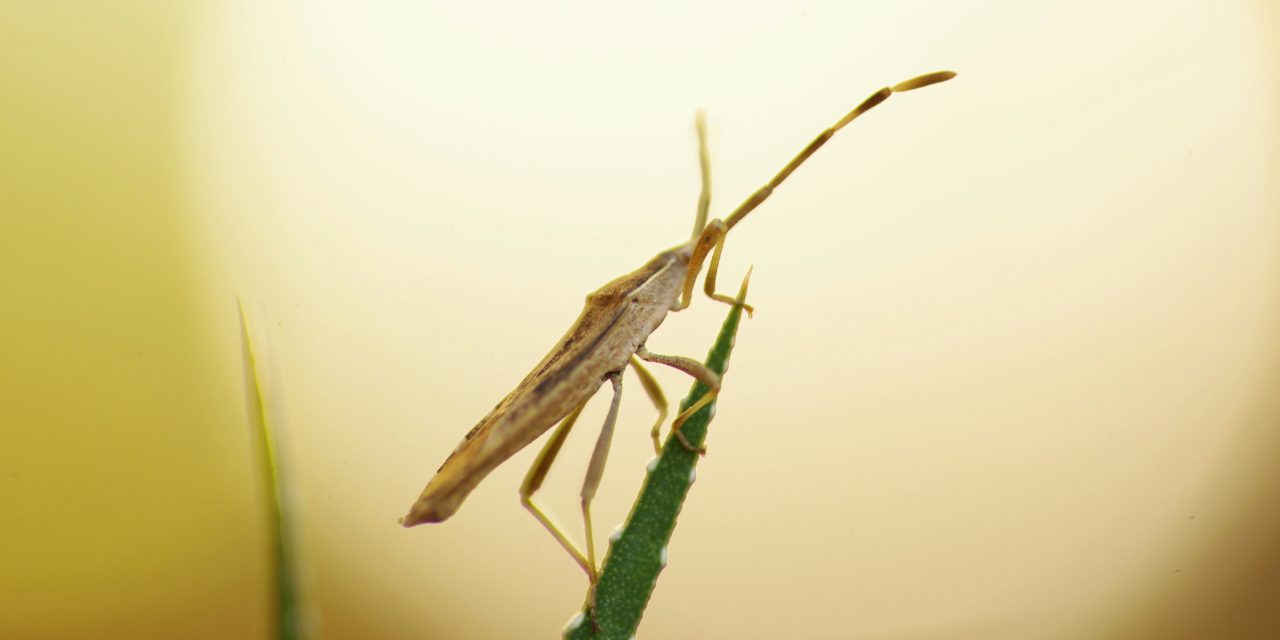
Gnats are small, flying insects that belong to various families within the order Diptera. These diminutive pests are often mistaken for fruit flies or mosquitoes due to their size and appearance. Typically measuring between 1/16 to 1/8 of an inch in length, gnats possess slender bodies and long legs, making them agile fliers. They are characterized by their delicate wings and can be found in a variety of environments, both indoors and outdoors. The term “gnat” encompasses several species, including fungus gnats, fruit flies, and biting midges, each with distinct behaviors and habitats.
Gnats are primarily attracted to moist environments and organic matter, which serve as breeding grounds for their larvae. Their life cycle consists of four stages: egg, larva, pupa, and adult. Depending on the species and environmental conditions, the entire life cycle can take anywhere from a few weeks to several months. Understanding the biology and behavior of gnats is crucial for effective management and control strategies.
Common Types of Gnats Found Indoors
Among the various types of gnats, the most commonly encountered indoors are fungus gnats, fruit flies, and drain flies. Fungus gnats (Bradysia spp.) are often found in houseplants, where their larvae feed on organic matter in the soil. These pests thrive in damp conditions and can quickly proliferate if not managed properly. Fruit flies (Drosophila spp.), on the other hand, are attracted to overripe or decaying fruits and vegetables. Their rapid reproduction rate can lead to significant infestations in kitchens and pantries.
Drain flies (Psychodidae) are another common indoor gnat species, typically found near sinks, drains, and other areas with stagnant water. They breed in the organic matter that accumulates in drains, making them a nuisance in bathrooms and kitchens. Each type of gnat has unique characteristics and behaviors that require tailored approaches for effective control.
How Gnats Enter Your Home

Gnats can infiltrate homes through various entry points, making it essential to identify potential vulnerabilities. Common entryways include open windows and doors, particularly during warmer months when these pests are most active. Additionally, gnats can hitch a ride on clothing, bags, or even pets, inadvertently being brought indoors by unsuspecting individuals.
Once inside, they seek out favorable conditions for breeding and feeding. Cracks in walls or foundations can also serve as entry points for these pests. It is crucial to maintain a vigilant approach to sealing potential openings to minimize the risk of gnat infestations.
The Role of Moisture in Attracting Gnats

Moisture plays a pivotal role in attracting gnats into homes. These insects thrive in humid environments where they can find suitable breeding sites. Areas with excessive moisture, such as bathrooms, kitchens, and basements, provide ideal conditions for gnat reproduction. Fungus gnats, in particular, are drawn to damp soil in potted plants, where they lay their eggs.
To mitigate moisture-related gnat issues, homeowners should regularly inspect areas prone to dampness. Employing dehumidifiers in basements or using exhaust fans in bathrooms can help reduce humidity levels. Additionally, ensuring proper drainage around the home can prevent water accumulation that attracts these pests.
Food Sources That Lure Gnats Inside
Food sources are another significant factor that draws gnats into residential spaces. Overripe fruits and vegetables left exposed on countertops can quickly become breeding grounds for fruit flies. Similarly, spills or crumbs from food preparation can attract various gnat species seeking nourishment.
To deter gnats from invading your home, it is essential to practice proper food storage techniques. Keeping fruits and vegetables refrigerated or stored in sealed containers can significantly reduce their appeal to these pests. Regularly cleaning kitchen surfaces and promptly disposing of food waste will also help eliminate potential food sources that attract gnats.
Houseplants and Their Connection to Gnats
Houseplants are often a double-edged sword when it comes to gnat infestations. While they enhance indoor aesthetics and improve air quality, they can also serve as breeding grounds for fungus gnats. These pests thrive in the moist soil of potted plants, where their larvae feed on organic matter and roots.
To prevent gnat infestations associated with houseplants, it is advisable to allow the soil to dry out between watering sessions. This practice not only discourages gnat larvae but also promotes healthier plant growth. Additionally, using sterile potting soil and avoiding over-fertilization can help minimize the risk of attracting these pests.
The Impact of Poor Sanitation on Gnat Infestations
Poor sanitation practices can exacerbate gnat infestations within homes. Accumulated debris, uncleaned spills, and neglected garbage cans create an inviting environment for these pests to thrive. Organic matter serves as both a food source and breeding ground for gnats, leading to rapid population growth if left unchecked.
To combat this issue effectively, homeowners should adopt rigorous cleaning routines that include regular disposal of trash and thorough cleaning of kitchen surfaces. Ensuring that food waste is sealed tightly and disposed of promptly will significantly reduce the likelihood of attracting gnats into living spaces.
Seasonal Factors Influencing Gnat Presence
Seasonal changes play a crucial role in gnat populations and their presence indoors. Warmer months typically see an increase in gnat activity as temperatures rise and humidity levels fluctuate. Spring and summer provide ideal conditions for breeding, leading to more frequent sightings of these pests.
Conversely, colder months may see a decline in gnat populations as environmental conditions become less favorable for reproduction. However, indoor environments can still provide suitable habitats for gnats year-round if moisture levels remain high. Homeowners should remain vigilant throughout all seasons to prevent infestations.
Identifying Breeding Grounds Within Your Home
Identifying potential breeding grounds within your home is essential for effective gnat control. Common areas include potted plants with damp soil, drains with accumulated organic matter, and areas where food waste may accumulate. Regular inspections of these locations can help pinpoint problem areas before they escalate into larger infestations.
Utilizing sticky traps can also aid in monitoring gnat populations and identifying breeding sites. By placing traps near suspected areas of activity, homeowners can gain insight into the severity of the infestation and take appropriate action.
Health Concerns Related to Gnats
While gnats are primarily a nuisance rather than a direct health threat, they can pose certain health concerns. Some species, such as biting midges (Ceratopogonidae), can cause skin irritation through their bites. Additionally, gnats may carry pathogens that could potentially contaminate food sources if they come into contact with them.
Individuals with allergies or respiratory issues may experience exacerbated symptoms due to the presence of gnats indoors. Maintaining cleanliness and implementing effective control measures can help mitigate these health risks associated with gnat infestations.
Effective Prevention and Control Strategies for Gnats
Preventing gnat infestations requires a multifaceted approach that addresses both environmental conditions and sanitation practices. Key strategies include:
1. **Moisture Control**: Regularly check for leaks or standing water around the home.
2. **Proper Food Storage**: Store food items in airtight containers and promptly dispose of overripe produce.
3. **Houseplant Care**: Allow soil to dry between watering sessions and use sterile potting soil.
4. **Sanitation Practices**: Maintain cleanliness by regularly cleaning surfaces and disposing of trash.
5. **Sealing Entry Points**: Inspect windows and doors for gaps that may allow gnats entry.
6. **Monitoring**: Use sticky traps to monitor gnat populations and identify breeding sites.
In cases of severe infestations, chemical treatments may be necessary. Insecticides containing pyrethroids or other targeted formulations can effectively eliminate adult gnats while minimizing harm to beneficial insects when used according to label instructions.
In summary, understanding gnats involves recognizing their biology, behavior, and environmental preferences. By addressing moisture levels, food sources, sanitation practices, and potential breeding grounds within homes, individuals can effectively prevent and control gnat infestations while minimizing health risks associated with these pests.
FAQs
What are gnats and why do they invade homes?
Gnats are small flying insects that belong to various families, including fruit flies, fungus gnats, and drain flies. They are attracted to moist environments and decaying organic matter, which makes homes with overripe fruits, damp soil, or clogged drains particularly appealing to them.
How can I identify the type of gnats in my house?
To identify the type of gnats, observe their behavior and habitat. Fruit flies are often found near ripe or rotting fruits, while fungus gnats are typically seen around houseplants with moist soil. Drain flies are usually found near sinks or drains. Their size and appearance can also help distinguish them, with fruit flies being slightly larger than fungus gnats.
What attracts gnats to my home?
Gnats are attracted to various factors, including overripe fruits, vegetables, and organic waste. They are also drawn to moist soil in potted plants, standing water, and decaying matter in drains or garbage disposals. Keeping your home clean and dry can help reduce their attraction.
How can I get rid of gnats in my house?
To eliminate gnats, start by removing any food sources, such as overripe fruits and garbage. Clean drains and dispose of organic waste properly. You can also use traps, such as vinegar traps or sticky traps, to catch adult gnats. Additionally, allowing the soil of houseplants to dry out can help reduce fungus gnats.
Can gnats cause any harm to my home or health?
While gnats are generally not harmful to humans, they can be a nuisance and may contaminate food. Some species, like fungus gnats, can damage houseplants by feeding on their roots. Maintaining cleanliness and addressing infestations promptly can help mitigate any potential issues.