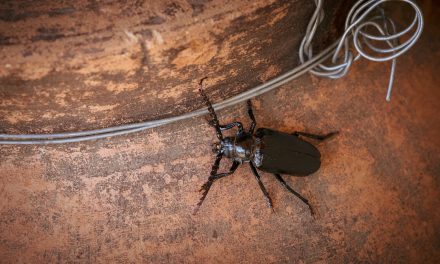
Black widow spiders, belonging to the genus Latrodectus, are notorious for their distinctive appearance and potent venom. These arachnids are often recognized by their glossy black bodies and the characteristic red hourglass marking on the underside of their abdomens. While they are not aggressive by nature, their bites can pose significant health risks, particularly to vulnerable populations such as children and the elderly. Understanding the biology, behavior, and risks associated with black widow spiders is crucial for effective management and prevention strategies.
The black widow spider is primarily found in temperate regions around the world, including North America, Europe, and parts of Asia. Their reputation as one of the most venomous spiders has led to widespread fear and misunderstanding. However, it is essential to approach this topic with a balanced perspective, recognizing both the ecological role these spiders play and the potential dangers they pose to humans. This article aims to provide comprehensive insights into identifying, managing, and preventing black widow spider infestations.
Identifying Black Widow Spiders: Key Characteristics
Identifying black widow spiders involves recognizing several key characteristics that distinguish them from other spider species. Adult females are typically larger than males, measuring approximately 1.5 inches in length when including their legs. Their bodies are glossy black, which can sometimes appear brownish or dark gray depending on environmental factors. The most distinguishing feature is the red hourglass marking on the ventral side of the abdomen; however, some individuals may exhibit orange or yellow markings instead.
Male black widows are significantly smaller, measuring about 0.5 inches in body length and often displaying less vibrant coloration. They possess a more slender body and lack the prominent hourglass marking found in females. Additionally, male black widows have a more complex mating behavior that includes courtship rituals to avoid being consumed by the female after mating—a behavior that has contributed to their name.
Common Habitats: Where Black Widows Prefer to Hide

Black widow spiders thrive in a variety of habitats, often preferring dark, secluded areas where they can construct their webs undisturbed. Common locations include woodpiles, sheds, garages, basements, and under outdoor furniture. They are also frequently found in gardens and shrubbery, where they can easily ambush unsuspecting prey such as insects.
These spiders are adept at adapting to human environments, often taking refuge in cluttered spaces that provide ample hiding spots. Their webs are irregularly shaped and messy, typically constructed close to the ground or in corners where they can easily trap prey. Understanding these habitat preferences is crucial for homeowners seeking to minimize encounters with black widow spiders.
Seasonal Behavior: When Black Widows Are Most Active

Black widow spiders exhibit seasonal behavior patterns that influence their activity levels throughout the year. In temperate climates, these spiders are most active during warmer months, particularly from late spring through early fall. During this time, females engage in mating and egg-laying activities, leading to increased sightings as they search for food and suitable nesting sites.
As temperatures drop in late fall and winter, black widow spiders enter a state of dormancy or reduced activity. They may seek shelter in protected areas to survive colder conditions. However, during unseasonably warm spells in winter, it is not uncommon for these spiders to become active again, prompting vigilance among homeowners.
Risks Associated with Black Widow Bites
The bite of a black widow spider can result in severe symptoms due to the neurotoxic properties of its venom. While not all bites lead to serious health issues—many may go unnoticed or cause mild discomfort—some individuals may experience significant reactions. Symptoms can include intense pain at the bite site, muscle cramps, nausea, vomiting, sweating, and elevated blood pressure.
In rare cases, particularly among children and elderly individuals or those with compromised immune systems, a black widow bite can lead to more severe complications such as respiratory distress or even death if left untreated. Immediate medical attention is crucial for anyone suspected of being bitten by a black widow spider to mitigate potential health risks.
How to Safely Inspect Your Property for Black Widows
Conducting a thorough inspection of your property for black widow spiders requires a systematic approach to ensure safety while identifying potential hiding spots. Begin by wearing protective clothing such as gloves and long sleeves to minimize skin exposure. Use a flashlight to illuminate dark areas where these spiders may reside.
Focus on inspecting areas such as basements, attics, garages, and outdoor spaces like sheds and woodpiles. Look for irregular webs or signs of spider activity such as shed skins or egg sacs. If you encounter a spider that you suspect may be a black widow, avoid direct contact; instead, capture it using a jar or container for identification purposes.
Preventative Measures to Deter Black Widow Spiders
Preventing black widow spider infestations involves implementing several proactive measures around your home and property. Start by reducing clutter both indoors and outdoors; this minimizes potential hiding spots for spiders. Regularly clean areas such as garages and basements to eliminate webs and debris that may attract these arachnids.
Sealing cracks and crevices around windows, doors, and foundations can also help deter entry into your home. Installing screens on windows and doors provides an additional barrier against these pests. Furthermore, maintaining a well-trimmed yard with minimal vegetation near your home reduces potential habitats for black widows.
DIY Removal: When It’s Safe to Handle Black Widow Spiders
While it is generally advisable to exercise caution when dealing with black widow spiders, there are situations where DIY removal may be appropriate if you feel confident in your abilities. If you encounter a solitary spider away from high-traffic areas and believe it poses no immediate threat, you can use a jar or container to capture it safely.
Once captured, release the spider far away from your home in a suitable outdoor environment. However, if you are uncertain about handling the spider or if there are multiple sightings within your property, it is best to refrain from DIY removal and seek professional assistance instead.
Signs You Need to Call a Professional Exterminator
There are several indicators that suggest it may be time to call a professional exterminator for black widow spider control. If you notice multiple sightings of black widows within your home or property or if you find egg sacs containing numerous spiderlings, immediate action is warranted. Additionally, if anyone in your household has experienced a bite or shows symptoms consistent with envenomation, professional intervention is crucial.
Professional exterminators possess the expertise and tools necessary to effectively identify infestations and implement targeted treatments that minimize risks associated with black widow spiders while ensuring safety for residents.
What to Expect from Professional Black Widow Spider Removal
When engaging a professional exterminator for black widow spider removal, expect a comprehensive assessment of your property followed by tailored treatment options. The exterminator will conduct an inspection to identify potential nesting sites and entry points before recommending appropriate pest control measures.
Treatment may involve the application of insecticides specifically designed for arachnids or implementing integrated pest management strategies that focus on long-term prevention rather than solely eliminating existing populations. Follow-up visits may be necessary to monitor effectiveness and ensure that any remaining spiders are addressed promptly.
Staying Safe and Spider-Free in Your Home
In conclusion, understanding black widow spiders—ranging from their identification to their habitats—equips homeowners with the knowledge necessary for effective management and prevention strategies. By implementing proactive measures such as regular inspections and maintaining cleanliness around your property, you can significantly reduce the likelihood of encountering these venomous arachnids.
Should you find yourself facing an infestation or suspect a bite from a black widow spider, seeking professional assistance is paramount for ensuring safety and peace of mind within your home environment. By staying informed and vigilant, you can create a safer living space free from the threats posed by black widow spiders.
—
**FAQ Section**
1. **What should I do if I suspect I’ve been bitten by a black widow?**
– Seek immediate medical attention if you experience severe symptoms such as intense pain or muscle cramps following a suspected bite.
2. **Are all black widow spiders dangerous?**
– While all species possess venom that can be harmful, not all bites result in severe reactions; individual responses vary based on health status.
3. **How can I tell if I have a black widow spider in my home?**
– Look for glossy black bodies with red hourglass markings; also check for irregular webs in dark corners or secluded areas.
4. **Can I prevent black widow spiders from entering my home?**
– Yes! Regular cleaning, sealing entry points, and reducing clutter can significantly deter these spiders from entering your living space.
5. **Is it safe to remove a black widow spider myself?**
– If you feel confident and take precautions such as wearing gloves and using containers for capture, it can be safe; otherwise, consider professional help.
6. **What insecticides are effective against black widows?**
– Professional exterminators often use specialized insecticides designed for arachnids; always follow safety guidelines when using any pest control products.
7. **How long do black widow spiders live?**
– Female black widows can live up to three years under optimal conditions; males typically have shorter lifespans due to their mating behaviors.
8. **Do black widows only bite when provoked?**
– Yes; they tend to bite only when they feel threatened or cornered rather than being aggressive hunters towards humans.
9. **What time of year are black widows most active?**
– They are most active during warmer months but can occasionally be seen during unseasonably warm winter days.
10. **How can I safely dispose of a captured black widow?**
– Release it far away from your home in an appropriate outdoor environment; avoid killing it unless absolutely necessary for safety reasons.
—
In summary, understanding the biology and behavior of black widow spiders is essential for effective management strategies within residential settings. By employing preventative measures and knowing when to seek professional help, homeowners can maintain a safe environment free from these potentially dangerous arachnids.
FAQs
What do black widow spiders look like?
Black widow spiders are easily recognizable by their glossy black bodies and the distinctive red hourglass marking on the underside of their abdomens. Females are larger than males, typically measuring about 1.5 inches in length, including their legs.
Where do black widow spiders typically hide?
Black widow spiders prefer dark, undisturbed areas for hiding. Common locations include woodpiles, sheds, garages, basements, and under furniture. They often build their webs in secluded spots, such as corners or crevices.
When is it necessary to call a professional for black widow spider control?
If you suspect a black widow spider infestation in your home or property, or if you find multiple spiders, it is advisable to call a pest control professional. Additionally, if someone is bitten and shows symptoms such as severe pain, muscle cramps, or difficulty breathing, seek medical attention immediately.
What should I do if I get bitten by a black widow spider?
If bitten by a black widow spider, it is important to seek medical attention right away. Symptoms can include severe pain, muscle cramps, and nausea. While waiting for medical help, try to keep the affected area still and apply a cool compress to reduce swelling.
How can I prevent black widow spiders from entering my home?
To prevent black widow spiders from entering your home, seal cracks and crevices around windows and doors, keep outdoor areas tidy by removing debris and clutter, and regularly check and clean areas where spiders may hide, such as garages and basements.