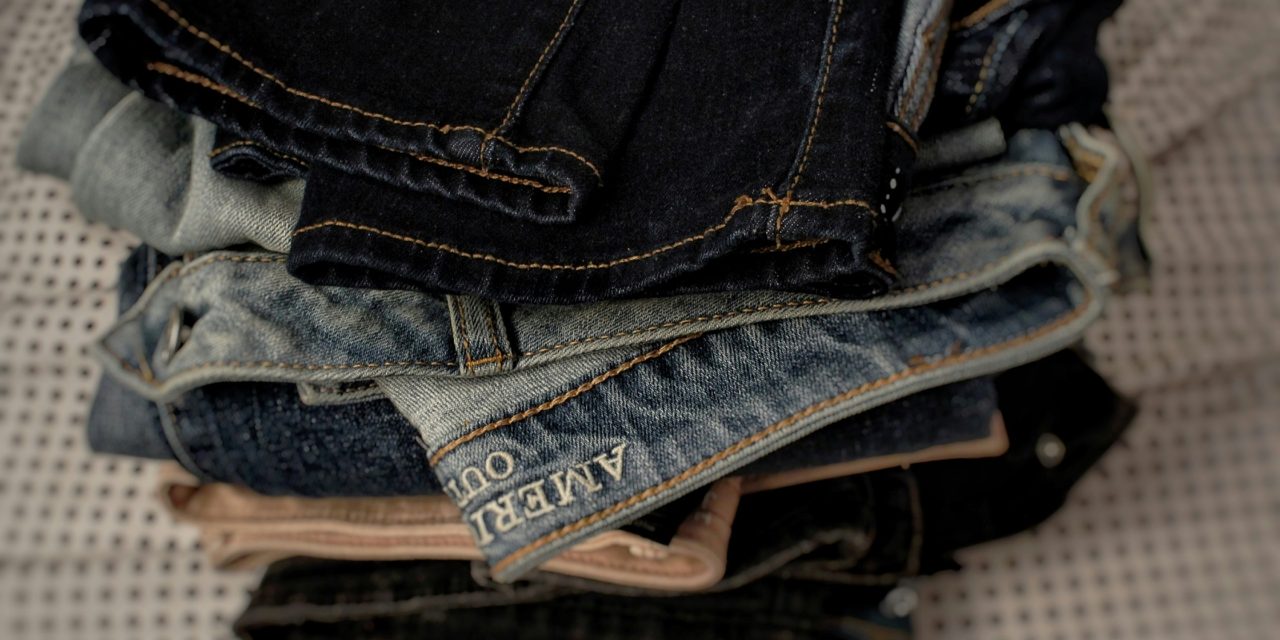
The first step in decluttering your wardrobe is to conduct a thorough assessment of your closet. This process involves taking a comprehensive inventory of all the garments you own, which can be both enlightening and overwhelming. Begin by removing every item from your closet and laying them out in a well-lit area. This visual representation allows you to see the sheer volume of clothing you possess, making it easier to identify pieces that have not seen the light of day in months or even years.
As you sift through your collection, ask yourself critical questions about each item. When was the last time you wore it? Does it fit your current style? Is it in good condition? By answering these questions honestly, you can start to pinpoint the clothes that no longer serve a purpose in your life. This exercise not only helps in recognizing unused items but also encourages a deeper understanding of your personal style and preferences.
Set Clear Goals for Decluttering Your Wardrobe
Once you have assessed your closet, it is essential to establish clear and achievable goals for your decluttering journey. Setting specific objectives will provide direction and motivation throughout the process. Consider what you want to achieve: Do you aim to create more space, simplify your wardrobe, or curate a collection that reflects your current lifestyle?
Write down your goals and keep them visible as a constant reminder of your intentions. For instance, you might decide to reduce your wardrobe by 30% or focus on keeping only versatile pieces that can be mixed and matched. By having concrete targets, you can measure your progress and celebrate small victories along the way, making the decluttering process feel more rewarding.
Create Sorting Categories: Keep, Donate, Sell, Discard

To streamline the decluttering process, create distinct sorting categories for your clothing items: Keep, Donate, Sell, and Discard. This method allows for a systematic approach to decision-making regarding each piece.
The “Keep” category should include items that you wear regularly and genuinely love. The “Donate” section is for clothes in good condition that you no longer wear but could benefit someone else. The “Sell” category is reserved for high-quality items that may fetch a price at consignment shops or online marketplaces. Lastly, the “Discard” pile should consist of damaged or worn-out garments that are beyond repair. By categorizing your clothing this way, you can efficiently manage your wardrobe and ensure that each item has a designated fate.
Use the Hanger Trick to Spot Unused Items

An effective technique to identify unused clothing is the hanger trick. This simple yet powerful method involves turning all the hangers in your closet backward when you first start the decluttering process. As you wear an item, return it to the closet with the hanger facing the correct direction. After a designated period—such as six months—review the hangers that remain backward. These represent clothes that have not been worn during that timeframe and may be candidates for removal.
This visual cue serves as a stark reminder of what is truly being utilized in your wardrobe versus what is merely taking up space. The hanger trick not only aids in identifying unused items but also encourages mindful consumption moving forward.
Try On Clothes to Confirm Fit and Style Preferences
Before making final decisions about which items to keep or discard, it is crucial to try on clothes to confirm their fit and style preferences. This step can be particularly revealing, as many individuals hold onto garments that no longer fit properly or align with their current aesthetic.
As you try on each piece, pay attention to how it makes you feel. Does it flatter your body shape? Is it comfortable? Does it resonate with your personal style? If an item feels outdated or ill-fitting, it may be time to part ways with it. This process not only helps refine your wardrobe but also fosters a deeper connection with the clothes you choose to keep.
Organize a Donation Box for Unwanted Garments
Once you have sorted through your clothing and identified items for donation, it is essential to organize a dedicated donation box. This box should be easily accessible and clearly labeled to encourage consistent use.
As you continue to declutter, make it a habit to place any unwanted garments directly into this box rather than letting them accumulate elsewhere in your home. Once the box is full, schedule a time to drop it off at a local charity or organization that accepts clothing donations. This proactive approach not only keeps your space tidy but also ensures that your unwanted items find new homes where they can be appreciated.
Sell High-Quality Items Online or at Consignment Shops
For those high-quality garments that are still in excellent condition, consider selling them online or at consignment shops. This option allows you to recoup some of the money spent on these items while simultaneously decluttering your wardrobe.
Online platforms such as Poshmark, Depop, and eBay provide user-friendly interfaces for listing clothing items with detailed descriptions and photographs. Alternatively, local consignment shops often welcome gently used clothing and may offer immediate cash or store credit in exchange for your items. Selling not only benefits your wallet but also promotes sustainable fashion practices by extending the lifecycle of quality garments.
Repurpose or Upcycle Old Clothes Creatively
If certain clothing items are too worn for donation or sale but still hold sentimental value or potential utility, consider repurposing or upcycling them creatively. This approach allows you to breathe new life into old garments while reducing waste.
For example, an oversized t-shirt can be transformed into a trendy tote bag, while worn jeans can be cut into stylish shorts or turned into a patchwork quilt. The possibilities are endless when it comes to creative repurposing; online tutorials and DIY blogs can provide inspiration and guidance for various projects. Engaging in upcycling not only fosters creativity but also contributes positively to environmental sustainability.
Establish a Seasonal Review Routine for Your Closet
To maintain an organized wardrobe long-term, establish a seasonal review routine for your closet. This practice involves revisiting your clothing collection at least twice a year—typically at the change of seasons—to assess what remains relevant and functional.
During these reviews, repeat the sorting process: evaluate each item based on fit, style, and frequency of wear. This proactive approach prevents clutter from accumulating over time and ensures that your wardrobe remains aligned with your evolving tastes and lifestyle needs.
Optimize Closet Storage to Maintain Tidiness
An organized closet is essential for maintaining tidiness and ensuring easy access to your clothing collection. Optimize storage solutions by utilizing various organizational tools such as hangers, bins, shelves, and dividers.
Consider investing in matching hangers for a cohesive look and maximizing vertical space with cascading hangers or tiered organizers. Use clear bins for seasonal items or accessories, allowing for easy visibility while keeping everything neatly contained. By optimizing storage solutions, you create an inviting space that encourages regular use of all garments.
Develop Habits to Prevent Future Clothing Clutter
Finally, developing habits to prevent future clothing clutter is crucial for sustaining an organized wardrobe over time. Implementing mindful shopping practices can significantly reduce impulse purchases and ensure that new additions align with your established style.
Before buying new clothing, consider adopting the “one-in-one-out” rule: for every new item purchased, commit to removing one existing piece from your wardrobe. Additionally, take time to reflect on whether an item truly fits into your lifestyle before making a purchase decision. By cultivating these habits, you can maintain a curated wardrobe that reflects both your personal style and practical needs.
In summary, decluttering your wardrobe involves assessing what you own, setting clear goals, categorizing items effectively, utilizing tricks like the hanger method, trying on clothes for fit confirmation, organizing donations, selling high-quality pieces, creatively repurposing old garments, establishing seasonal reviews, optimizing storage solutions, and developing habits to prevent future clutter. By following these steps diligently, you can create a functional and stylish wardrobe that serves you well for years to come.
FAQs
What are some effective methods for decluttering clothes?
Effective methods for decluttering clothes include the Marie Kondo method, which encourages keeping only items that “spark joy,” the one-year rule where you assess items you haven’t worn in the past year, and the four-box method where you categorize items into keep, donate, sell, or trash. Additionally, setting a specific time limit for decluttering sessions can help maintain focus and efficiency.
How can I decide which clothes to keep?
To decide which clothes to keep, consider factors such as how often you wear each item, whether it fits well, and if it aligns with your current style. Additionally, ask yourself if the item has sentimental value or if it can be easily replaced. A good rule of thumb is to keep items that you love and wear regularly.
What should I do with clothes I no longer want?
Clothes you no longer want can be donated to local charities, sold through online platforms or consignment shops, or recycled if they are too worn out. Many organizations accept clothing donations, and selling items can help you earn some extra cash while giving your clothes a second life.
How often should I declutter my wardrobe?
It is recommended to declutter your wardrobe at least twice a year, ideally at the change of seasons. This allows you to reassess your clothing needs and remove items that are no longer suitable. However, you can also declutter more frequently if you notice your wardrobe becoming overcrowded or if your style changes.
What are the benefits of decluttering clothes?
The benefits of decluttering clothes include creating more space in your wardrobe, making it easier to find and choose outfits, reducing stress and decision fatigue, and promoting a more organized lifestyle. Additionally, decluttering can lead to a more mindful approach to shopping and help you develop a clearer sense of your personal style.