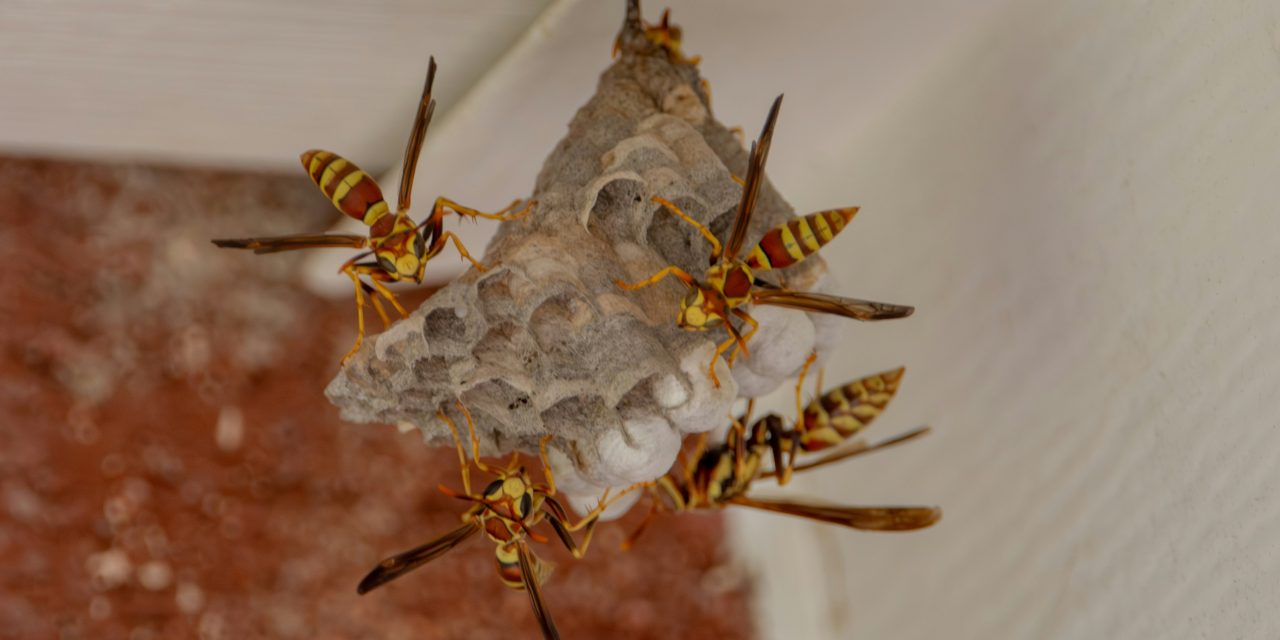
Identifying a hornet nest is crucial for ensuring safety and preventing potential infestations. Hornets, particularly the bald-faced hornet and European hornet, construct distinctive nests that can be spotted with careful observation. One of the primary indicators of a hornet nest is the presence of hornets themselves. These insects are typically larger than bees, with a robust body and a distinctive coloration that varies by species. Observing their flight patterns can provide insight into the location of their nest, as they often fly in and out of a specific area.
Another telltale sign of a hornet nest is the structure itself. Hornet nests are usually spherical or oval-shaped and can be found hanging from trees, shrubs, or even under eaves of buildings. The exterior is often made from chewed wood fibers mixed with saliva, giving it a papery texture. Nests can range in size from a basketball to a football, depending on the species and the time of year. Additionally, if you notice an increase in hornet activity around your property, especially during late summer and early fall, it may indicate that a nest is nearby.
Assessing the Danger Level of the Nest
Once a hornet nest has been identified, assessing its danger level is essential for determining the appropriate course of action. The size of the nest can be an initial indicator; larger nests typically house more hornets, which can increase the risk of aggressive behavior if disturbed. Furthermore, the species of hornet plays a significant role in assessing danger. For instance, bald-faced hornets are known for their defensive nature and will aggressively protect their nests if they perceive a threat.
Another factor to consider is the location of the nest. Nests situated close to human activity—such as near doorways, patios, or children’s play areas—pose a higher risk for stings. Additionally, if the nest is located in an area that is difficult to access or poses physical hazards (like being high up in a tree), it may require professional intervention for safe removal. Understanding these factors can help homeowners make informed decisions regarding their safety and the necessary steps to take.
Understanding Hornet Behavior and Risks

Hornets exhibit specific behaviors that can pose risks to humans and pets. They are social insects that live in colonies, which can number in the hundreds or even thousands during peak season. Their aggressive nature is primarily defensive; they will sting when they feel threatened or when their nest is disturbed. Unlike bees, hornets can sting multiple times, injecting venom with each sting, which can lead to severe allergic reactions in some individuals.
The venom of hornets contains proteins that affect skin cells and the immune system, leading to pain, swelling, and potential anaphylaxis in sensitive individuals. Symptoms of a hornet sting may include immediate sharp pain, redness, swelling at the sting site, and in severe cases, difficulty breathing or swelling of the throat. Understanding these risks emphasizes the importance of caution when dealing with hornets and their nests.
When to Call a Professional Exterminator

Determining when to call a professional exterminator is critical for ensuring safety during hornet nest removal. If the nest is large or located in a high-risk area—such as near windows or doorways—professional assistance is highly recommended. Exterminators possess specialized equipment and training to handle hornet nests safely and effectively, minimizing the risk of stings.
Additionally, if an individual has a known allergy to insect stings or has experienced severe reactions in the past, it is prudent to seek professional help rather than attempting DIY removal methods. Professionals can also provide advice on preventive measures to avoid future infestations, ensuring long-term safety for homeowners.
DIY Precautions: What You Should and Shouldn’t Do
For those considering DIY methods for hornet nest removal, several precautions should be taken to ensure safety. First and foremost, it is essential to wear protective clothing that covers as much skin as possible. Long sleeves, pants, gloves, and a face mask can help minimize exposure to stings. Additionally, it is advisable to conduct any removal efforts during dusk or dawn when hornets are less active.
However, there are several actions that should be avoided during DIY removal attempts. Approaching the nest without proper protective gear can lead to multiple stings and serious injury. Furthermore, using household insecticides without understanding their effectiveness or safety can exacerbate the situation by agitating the hornets rather than eliminating them. It is crucial to assess one’s comfort level and knowledge before proceeding with any DIY methods.
Protective Gear Needed for Hornet Nest Removal
When preparing for hornet nest removal, appropriate protective gear is paramount for ensuring safety. A full-body suit designed for insect protection is ideal; these suits are typically made from thick materials that prevent stings while allowing for mobility. Additionally, wearing gloves made from durable materials will protect hands from potential stings during removal efforts.
A face shield or helmet with a mesh screen can provide visibility while protecting the face and neck from aggressive hornets. It is also advisable to wear closed-toe shoes and long socks to prevent any exposure to stings on the feet or ankles. Ensuring that all protective gear fits securely will help minimize any gaps where hornets could potentially enter.
Safe Methods for Removing a Hornet Nest
Removing a hornet nest safely requires careful planning and execution. One effective method involves using insecticidal sprays specifically designed for wasps and hornets. These sprays should be applied from a safe distance—typically 10-15 feet away—during evening hours when hornets are less active. It is essential to follow the manufacturer’s instructions carefully for optimal results.
Another method involves using a vacuum equipped with a specialized attachment designed for insect removal. This approach allows for direct suction of hornets into a containment bag while minimizing exposure to stings. However, this method should only be attempted by individuals who are comfortable handling such equipment and understand the risks involved.
Preventing Hornets from Returning to Your Property
Preventing future hornet infestations requires proactive measures aimed at eliminating potential nesting sites and food sources. Regularly inspecting your property for signs of nests during early spring can help catch infestations before they escalate. Additionally, sealing cracks and crevices around windows and doors will reduce entry points for these insects.
Maintaining cleanliness around outdoor areas is also crucial; removing food sources such as fallen fruit or uncovered garbage will deter hornets from establishing nests nearby. Installing screens on windows and doors can further prevent these pests from entering living spaces while providing ventilation.
What to Do If You Are Stung by a Hornet
In the event of a hornet sting, immediate action is necessary to alleviate symptoms and prevent complications. The first step is to remove any stingers left in the skin by gently scraping them out with a flat object like a credit card—avoid using tweezers as squeezing may release more venom. Cleaning the sting site with soap and water helps reduce infection risk.
Applying a cold compress can alleviate swelling and pain at the sting site. Over-the-counter antihistamines may also provide relief from itching and swelling. However, if symptoms escalate—such as difficulty breathing or swelling beyond the sting site—seeking emergency medical attention is critical as these may indicate anaphylaxis.
Environmental Considerations: Hornets’ Role in the Ecosystem
While hornets are often viewed as pests due to their aggressive behavior, they play an essential role in maintaining ecological balance. As predators, they help control populations of other insects, including pests that may damage crops or gardens. Their presence contributes to biodiversity within ecosystems.
Moreover, hornets serve as food sources for various wildlife species, including birds and mammals. Understanding their ecological significance highlights the importance of considering non-lethal methods for managing infestations whenever possible.
Long-Term Hornet Control and Home Maintenance Tips
Long-term control of hornets involves consistent home maintenance practices aimed at reducing attractants and potential nesting sites. Regularly trimming trees and shrubs can prevent overgrowth that may provide shelter for nests. Additionally, keeping gutters clean and free from debris will eliminate potential nesting areas.
Implementing regular inspections around your property during peak nesting seasons—spring through fall—can help identify early signs of infestation before they become problematic. Utilizing natural deterrents such as peppermint oil or vinegar sprays around outdoor areas may also discourage hornets from establishing nests nearby.
In summary, identifying hornet nests involves recognizing key signs such as increased activity and distinctive nest structures. Assessing danger levels based on size and location informs whether professional help is needed for removal. Understanding hornet behavior highlights risks associated with stings while emphasizing safety precautions during DIY attempts at removal. Protective gear is essential for safe removal methods that include insecticidal sprays or vacuum techniques. Preventive measures focus on eliminating attractants while acknowledging hornets’ ecological roles fosters responsible management practices for long-term control.
FAQs
What should I do if I find a hornet nest near my home?
If you find a hornet nest near your home, it is important to assess the situation carefully. Avoid disturbing the nest, as hornets can become aggressive when threatened. If the nest is small and not in a high-traffic area, you may choose to leave it alone. However, if it poses a risk to your family or pets, consider contacting a pest control professional for safe removal.
Are hornets dangerous to humans?
Yes, hornets can be dangerous to humans, especially if they feel threatened. Their stings can be painful and may cause allergic reactions in some individuals. In rare cases, multiple stings can lead to serious health issues. It is advisable to exercise caution around hornets and their nests.
Can I remove a hornet nest myself?
While it is possible to remove a hornet nest yourself, it is generally not recommended unless you have experience and the proper protective gear. DIY removal can be risky, as hornets may become aggressive. If you choose to proceed, do so at night when hornets are less active, and wear protective clothing.
When is the best time to remove a hornet nest?
The best time to remove a hornet nest is during the evening or early morning when hornets are less active. Additionally, late fall is often a good time for removal, as many hornets will have died off by then, reducing the risk of stings. However, if the nest poses an immediate threat, it is best to contact a professional regardless of the time of year.
How can I prevent hornets from building nests near my home?
To prevent hornets from building nests near your home, keep outdoor areas clean and free of food sources, such as garbage and fallen fruit. Seal any cracks or openings in your home’s exterior to deter hornets from nesting. Additionally, consider using hornet traps or consulting with pest control services for preventive measures.