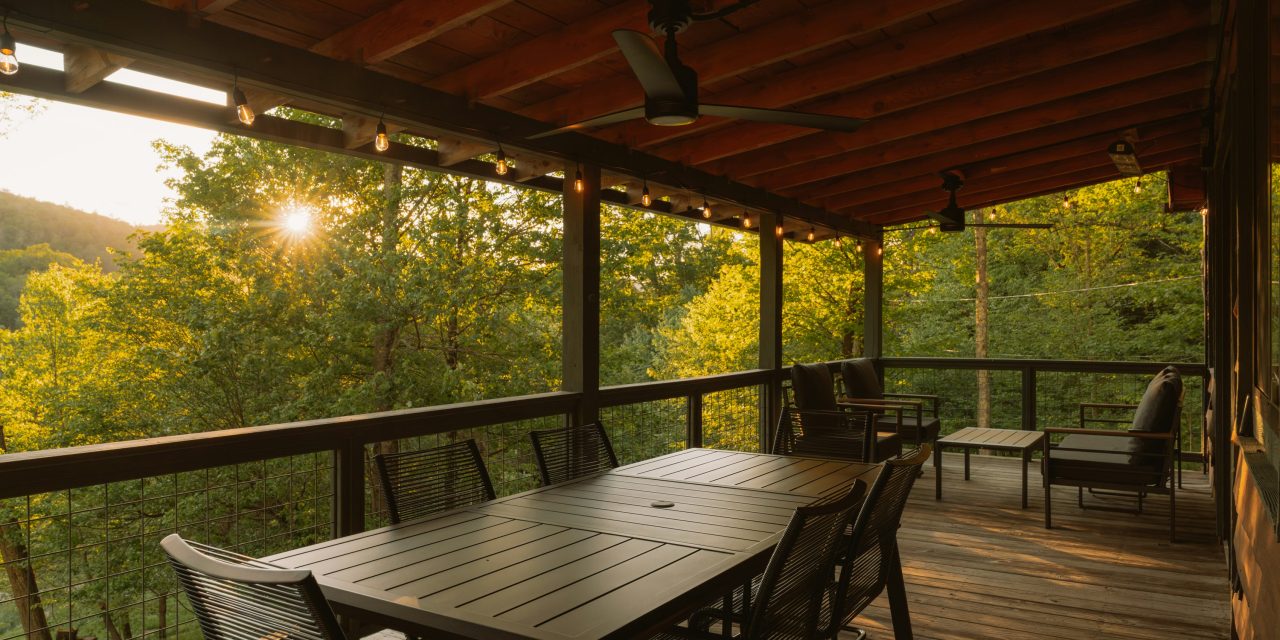
Wasps are often drawn to residential areas, particularly porches and patios, due to the availability of food sources and nesting sites. These insects are opportunistic feeders, meaning they will seek out any potential sustenance that can support their dietary needs. Common attractants include sugary substances, proteins, and even the remnants of human food. The warm, sheltered environment of a porch or patio provides an ideal habitat for wasps to thrive, especially during the late summer and early fall when their populations peak.
Moreover, wasps are naturally curious creatures. They are known to investigate areas where they perceive potential food sources. The presence of open containers, spilled drinks, or uneaten food can quickly turn your outdoor space into a wasp haven. Understanding these behavioral patterns is crucial for homeowners looking to mitigate wasp activity around their living spaces. By recognizing what draws these insects in, effective preventive measures can be implemented to minimize their presence.
Identifying Common Wasp Species Around Your Home
In order to effectively manage wasp populations, it is essential to identify the species that may be frequenting your property. The most common types include the yellow jacket, paper wasp, and hornet. Yellow jackets are notorious for their aggressive behavior and are often found scavenging for food at picnics and outdoor gatherings. They are characterized by their distinctive black and yellow markings and can be particularly troublesome due to their tendency to nest in the ground or within wall cavities.
Paper wasps, on the other hand, are less aggressive but can still pose a nuisance. They build umbrella-shaped nests made from chewed wood fibers mixed with saliva, often found hanging from eaves or under decks. Hornets, which are larger than both yellow jackets and paper wasps, tend to build large aerial nests in trees or shrubs. Understanding the specific characteristics of these species can aid in developing targeted strategies for removal and prevention.
Removing Food and Drink Attractants

One of the most effective strategies for deterring wasps is to eliminate potential food sources from your outdoor areas. This involves a thorough inspection of your porch and patio for any remnants of food or drink that may attract these pests. Ensure that all food items are stored securely in airtight containers and avoid leaving leftovers exposed on tables or countertops. Additionally, promptly clean up spills and crumbs that may inadvertently lure wasps into your space.
When hosting outdoor gatherings, consider using covered containers for food and beverages. This not only helps keep wasps at bay but also maintains the cleanliness of your outdoor area. Furthermore, it is advisable to avoid using sweetened drinks or foods that are particularly appealing to wasps during these events. By proactively managing food sources, you can significantly reduce the likelihood of attracting these insects.
Keeping Trash Bins Sealed and Clean

Trash bins are another significant attractant for wasps, as they provide easy access to decaying organic matter and food scraps. To minimize this risk, it is imperative to keep all trash receptacles tightly sealed with secure lids. Opt for bins made from durable materials that cannot be easily breached by determined wasps. Regularly emptying trash bins will also help prevent odors from emanating that could draw these pests closer.
In addition to sealing bins, maintaining cleanliness is crucial. Rinse out trash containers periodically to remove any residual food particles or liquids that may linger after disposal. This practice not only deters wasps but also prevents other pests from being attracted to your outdoor space. By implementing these measures, you can create an environment that is less inviting to wasps and other unwanted insects.
Using Natural Wasp Repellents and Essential Oils
Natural repellents can serve as an effective means of keeping wasps at bay without resorting to harsh chemicals. Essential oils such as peppermint, clove, and lemongrass have been shown to repel these insects due to their strong scents. Creating a diluted spray solution using these oils mixed with water can provide a natural deterrent when applied around porches and patios.
Additionally, vinegar is another natural repellent that can be utilized effectively against wasps. A mixture of vinegar and water can be sprayed in areas where wasp activity is observed. The strong odor disrupts their ability to locate food sources and nesting sites. Incorporating these natural solutions into your pest management strategy not only helps deter wasps but also promotes a more environmentally friendly approach.
Installing Physical Barriers and Screens
Physical barriers can serve as an effective line of defense against wasps attempting to invade your outdoor spaces. Installing screens on porches and patios can prevent these insects from entering while still allowing you to enjoy fresh air and outdoor views. Ensure that screens are properly fitted without any gaps or holes that could provide entry points for wasps.
In addition to screens, consider using mesh netting around outdoor dining areas or food preparation zones. This creates a protective barrier while allowing airflow and visibility. By implementing these physical barriers, you can significantly reduce the likelihood of wasp encounters while enjoying your outdoor living spaces.
Planting Wasp-Repellent Vegetation
Certain plants possess natural properties that repel wasps due to their scent or chemical composition. Incorporating these plants into your garden or landscaping can serve as an effective deterrent against wasp activity around your home. Examples include mint, basil, marigold, and citronella grass, all of which emit fragrances that are unappealing to wasps.
Strategically placing these plants near porches or patios can create a natural barrier that discourages wasps from approaching your outdoor areas. Additionally, maintaining a diverse garden with various flowering plants can attract beneficial insects while minimizing the appeal for wasps. By cultivating a wasp-repellent garden, you can enhance your outdoor aesthetics while simultaneously reducing pest activity.
Setting Up Decoy Wasp Nests
Wasps are territorial creatures that often avoid areas where they perceive other colonies to exist. Setting up decoy nests can exploit this behavior effectively. These artificial nests can be purchased commercially or constructed using simple materials such as brown paper bags or old balloons painted in neutral colors.
Positioning decoy nests in strategic locations around your property can create the illusion of an established colony nearby, deterring real wasps from settling in the area. It is important to place these decoys in visible locations where they can be easily spotted by wandering wasps. This method serves as a non-invasive approach to managing wasp populations without resorting to harmful chemicals.
Employing Safe Wasp Traps and Baits
For homeowners dealing with persistent wasp issues, employing safe traps can provide an effective solution without posing risks to humans or pets. Commercially available traps utilize attractants such as sugar water or protein-based baits to lure wasps inside while preventing their escape. These traps should be placed away from high-traffic areas to minimize accidental encounters.
When using traps, it is essential to monitor them regularly and dispose of captured wasps promptly to maintain effectiveness. Additionally, homemade traps can be created using simple materials such as plastic bottles filled with sweetened liquid bait. By strategically placing these traps around your property, you can significantly reduce the local wasp population over time.
Maintaining Regular Cleaning and Upkeep of Outdoor Areas
Consistent cleaning and maintenance of outdoor spaces play a pivotal role in preventing wasp infestations. Regularly inspect porches, patios, and gardens for any signs of nests or increased insect activity. Promptly addressing any issues will help mitigate potential infestations before they escalate.
In addition to inspections, routine cleaning should include removing debris such as fallen fruit or leaves that may attract pests. Keeping outdoor furniture clean and free from spills will also discourage wasps from frequenting your space. By establishing a regular cleaning schedule, you create an environment that is less conducive to wasp habitation.
When to Call Professional Pest Control Services
In some cases, despite diligent preventive measures, wasp populations may become overwhelming or pose safety risks due to aggressive behavior. In such instances, it may be necessary to enlist the services of professional pest control experts who specialize in insect management.
Professional pest control services possess the knowledge and tools required for safe removal of nests and effective treatment options tailored to specific species of wasps present on your property. They can assess the situation comprehensively and implement strategies that minimize risks while ensuring long-term solutions for pest management.
In conclusion, understanding the factors that attract wasps to porches and patios is essential for effective management strategies. By identifying common species, removing food sources, sealing trash bins, utilizing natural repellents, installing barriers, planting repellent vegetation, setting up decoys, employing traps, maintaining cleanliness, and knowing when to call professionals, homeowners can significantly reduce the likelihood of encountering these pests in their outdoor spaces.
### FAQ Section
1. **What attracts wasps to my porch?**
– Wasps are attracted by food sources such as sugary drinks and protein-rich foods left exposed on tables or countertops.
2. **How do I identify different types of wasps?**
– Common species include yellow jackets (black and yellow markings), paper wasps (umbrella-shaped nests), and hornets (larger size with aerial nests).
3. **What natural repellents work against wasps?**
– Essential oils like peppermint, clove, and lemongrass are effective natural repellents when diluted in water and sprayed around outdoor areas.
4. **How often should I clean my outdoor spaces?**
– Regular cleaning should be performed weekly during peak seasons (late summer through fall) to remove potential attractants.
5. **Are decoy nests effective?**
– Yes, decoy nests exploit territorial behavior in wasps; placing them strategically can deter real colonies from settling nearby.
6. **When should I consider professional pest control?**
– If you notice aggressive behavior or large nests that pose safety risks, it’s advisable to contact pest control experts for safe removal.
7. **Can I make my own traps?**
– Yes! Homemade traps can be created using plastic bottles filled with sweetened liquid bait; ensure they are placed away from high-traffic areas.
8. **What plants repel wasps?**
– Plants like mint, basil, marigold, and citronella grass emit scents that deter wasps from approaching your garden or patio.
9. **How do I safely remove a nest?**
– It’s best left to professionals; however, if attempting removal yourself at night when they are less active is crucial for safety.
10. **Do all wasps sting?**
– While many species have the capability to sting when threatened, not all will do so unless provoked; yellow jackets are particularly aggressive.
In summary, proactive measures combined with an understanding of wasp behavior can significantly reduce their presence around porches and patios while ensuring a safe outdoor environment for homeowners and guests alike.
FAQs
What are some natural repellents to keep wasps away?
Natural repellents such as peppermint oil, vinegar, and citrus scents can deter wasps. Mixing peppermint oil with water and spraying it around your porch and patio can create an unpleasant environment for them. Additionally, placing vinegar traps can attract and trap wasps away from your living areas.
How can I prevent wasps from building nests near my home?
To prevent wasps from nesting, regularly inspect your porch and patio areas for signs of nests and remove any potential nesting sites. Seal any cracks or openings in your home’s exterior, and keep outdoor trash bins tightly closed to avoid attracting them.
Are there specific times of year when wasps are more active?
Wasps are typically more active during late spring and summer when they are building nests and foraging for food. As the weather cools in the fall, their activity decreases, making it a good time to take preventive measures.
What should I do if I encounter a wasp on my patio?
If you encounter a wasp, remain calm and avoid swatting at it, as this can provoke the insect. Slowly move away from the area and allow the wasp to leave on its own. If necessary, you can use a natural repellent to encourage it to fly away.
Can certain plants help repel wasps from my porch?
Yes, certain plants can help repel wasps. Plants such as mint, eucalyptus, and citronella are known to deter wasps due to their strong scents. Planting these around your porch and patio can create a less inviting environment for them.