Seasonal pest patterns are crucial for homeowners and property managers to comprehend, as they dictate the types of pests that are likely to invade living spaces throughout the year. Each season brings its own set of challenges, influenced by environmental factors such as temperature, humidity, and food availability. For instance, warmer months typically see an uptick in insect activity, while colder months may drive pests indoors in search of warmth and sustenance. Understanding these patterns allows for proactive measures to mitigate infestations before they escalate.
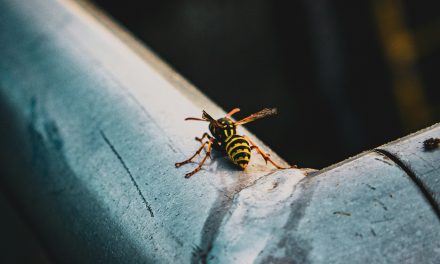
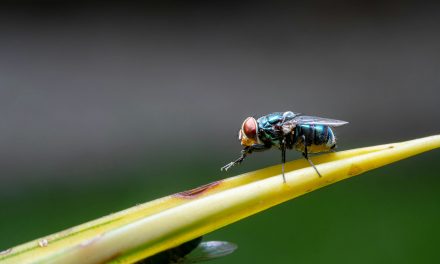
In spring, as temperatures rise and vegetation begins to bloom, pests such as ants, termites, and mosquitoes emerge from their dormant states. The summer months often witness a peak in pest populations, with wasps, flies, and various beetles becoming more prevalent. As autumn approaches, rodents and other critters seek shelter in homes to escape the impending cold. Finally, winter presents unique challenges as pests like cockroaches and spiders may seek refuge indoors, thriving in heated environments. Recognizing these seasonal trends is essential for effective pest management.
Spring Pest Prevention Tips
As the season of renewal unfolds, it is imperative to implement effective pest prevention strategies to safeguard your home from potential infestations. One of the most critical steps is to conduct a thorough inspection of your property. Look for cracks in the foundation, gaps around windows and doors, and any other entry points that pests could exploit. Sealing these openings with caulk or weather stripping can significantly reduce the likelihood of unwanted guests.
Additionally, maintaining a clean environment is paramount during spring. Regularly removing debris from yards and gardens can eliminate potential nesting sites for pests. It is also advisable to store firewood away from the home and to keep gutters clean to prevent standing water, which attracts mosquitoes. Implementing these preventive measures can create a less hospitable environment for pests as they emerge from hibernation.
Summer Pest Control Strategies

Summer is synonymous with outdoor activities, but it also heralds an increase in pest populations that can disrupt enjoyment. To combat this seasonal surge, homeowners should adopt a multi-faceted approach to pest control. One effective strategy is the use of insect repellents containing DEET or picaridin when spending time outdoors. These compounds have been proven to deter mosquitoes and ticks effectively.
Moreover, maintaining landscaping can play a pivotal role in pest management during summer months. Trimming back overgrown vegetation and ensuring that mulch is not piled against the foundation can deter pests from establishing nests near your home. Additionally, consider installing screens on windows and doors to prevent insects from entering while allowing fresh air to circulate.
Fall Pest Management Essentials

As temperatures begin to drop in fall, many pests seek refuge indoors, making it essential for homeowners to be vigilant about pest management. One of the most effective strategies during this season is to conduct a comprehensive inspection of your home’s exterior. Pay particular attention to areas such as attics, basements, and crawl spaces where rodents may enter. Installing rodent-proof barriers can significantly reduce the risk of infestations.
Furthermore, it is crucial to store food properly during fall months. Ensure that all pantry items are sealed in airtight containers to prevent attracting pests like ants and pantry moths. Additionally, consider using traps or bait stations strategically placed around the home to monitor and control any emerging pest populations before they become a larger issue.
Winter Pest Protection Measures
Winter presents unique challenges for pest control as many insects and rodents seek warmth indoors. To protect your home during this season, it is vital to focus on insulation and sealing gaps that could allow pests entry. Inspect areas around pipes, vents, and electrical wires for potential entry points and seal them with appropriate materials.
In addition to physical barriers, consider utilizing natural deterrents such as peppermint oil or vinegar solutions that can repel common winter pests like spiders and mice. Regularly checking for signs of infestations—such as droppings or gnaw marks—can help catch problems early before they escalate into significant issues.
Identifying Common Seasonal Pests
Understanding which pests are prevalent during each season can aid in early detection and management efforts. In spring, common invaders include ants, termites, and aphids, which thrive in warmer temperatures and abundant plant life. Summer brings an influx of mosquitoes, flies, wasps, and ticks—pests that can pose health risks through bites or disease transmission.
As fall approaches, rodents such as mice and rats become more active as they search for shelter from the cold. Additionally, spiders may also seek refuge indoors during this time. Winter often sees an increase in cockroaches and silverfish that thrive in heated environments. Familiarizing oneself with these seasonal pests can enhance preparedness and response strategies.
Effective Use of Natural Pest Repellents
Natural pest repellents offer an eco-friendly alternative to chemical pesticides while effectively deterring unwanted insects. Essential oils such as citronella, eucalyptus, and lavender have been shown to repel mosquitoes and other flying insects when used in diffusers or applied topically (diluted with carrier oils). Additionally, diatomaceous earth—a natural powder made from fossilized algae—can be sprinkled around entry points to deter crawling insects like ants and cockroaches.
Another effective natural repellent is vinegar; its strong scent can deter various pests when sprayed around entryways or used in cleaning solutions. Furthermore, planting pest-repelling herbs such as basil or mint in gardens can create a natural barrier against common garden pests while enhancing the aesthetic appeal of outdoor spaces.
Maintaining Your Home’s Exterior Against Pests
The exterior of your home serves as the first line of defense against pest invasions; therefore, regular maintenance is essential for effective pest control. Begin by inspecting your property for any signs of damage or decay that could attract pests—such as rotting wood or damaged siding—and address these issues promptly.
Landscaping plays a significant role in pest prevention; keeping shrubs trimmed away from the foundation and ensuring that tree branches do not touch the roof can minimize access points for pests. Additionally, maintaining proper drainage around your property can prevent standing water accumulation that attracts mosquitoes and other insects.
Indoor Pest Control Best Practices
Once pests have infiltrated your home, implementing effective indoor control measures becomes paramount. Start by decluttering spaces; reducing clutter minimizes hiding spots for pests while making it easier to spot signs of infestations. Regular vacuuming can also help eliminate eggs and larvae before they mature into adult pests.
Utilizing traps—such as sticky traps for insects or snap traps for rodents—can provide immediate control over emerging populations. Additionally, consider using insect growth regulators (IGRs) that disrupt the life cycle of pests without harming beneficial insects or pets.
When to Call a Professional Exterminator
While many pest control measures can be implemented independently, certain situations warrant professional intervention. If you encounter persistent infestations despite your best efforts or if you suspect the presence of dangerous pests such as termites or bed bugs, it is advisable to consult a licensed exterminator.
Professional exterminators possess specialized knowledge and tools that enable them to identify underlying issues contributing to infestations effectively. They can also provide tailored treatment plans that address specific pest problems while ensuring safety for occupants and pets.
Creating a Year-Round Pest Control Schedule
Establishing a year-round pest control schedule is essential for maintaining a pest-free environment throughout all seasons. Begin by conducting seasonal inspections—spring for preventive measures against emerging pests, summer for monitoring populations, fall for sealing entry points, and winter for insulation checks.
Incorporate regular maintenance tasks into your schedule—such as cleaning gutters, trimming vegetation, and inspecting for signs of infestations—to ensure proactive management efforts remain effective year-round. By adhering to this schedule, homeowners can significantly reduce the likelihood of pest invasions while promoting a healthier living environment.
In summary, understanding seasonal pest patterns is vital for effective management strategies throughout the year. By implementing preventive measures tailored to each season—such as thorough inspections in spring, maintaining landscaping in summer, sealing entry points in fall, and insulating against cold in winter—homeowners can significantly reduce the risk of infestations. Utilizing natural repellents alongside regular maintenance practices further enhances pest control efforts while promoting a healthier living space. When faced with persistent issues or dangerous pests, seeking professional assistance ensures comprehensive solutions tailored to specific needs.
FAQs
What is the purpose of a seasonal pest control checklist?
A seasonal pest control checklist helps homeowners identify and manage potential pest problems throughout the year. By following a checklist, homeowners can proactively address pest issues before they become infestations, ensuring a healthier living environment and protecting their property from damage.
When should homeowners start their pest control measures?
Homeowners should begin their pest control measures at the start of each season. Spring is ideal for preventing ants and termites, summer for managing mosquitoes and flies, fall for dealing with rodents, and winter for ensuring that pests do not enter homes seeking warmth. Regular inspections and treatments should be scheduled according to seasonal pest activity.
What are some common pests to look out for in each season?
In spring, homeowners should watch for ants, termites, and bees. Summer often brings mosquitoes, flies, and wasps. In the fall, rodents like mice and rats become more active, while winter can see pests like cockroaches and spiders seeking shelter indoors. Each season has its own set of pests that require specific attention.
How can homeowners prevent pests from entering their homes?
Homeowners can prevent pests by sealing cracks and gaps in walls, windows, and doors, ensuring proper drainage, and maintaining a clean environment. Regularly inspecting and maintaining outdoor areas, such as gardens and trash bins, can also deter pests from entering the home.
Should homeowners consider professional pest control services?
Yes, homeowners may benefit from professional pest control services, especially if they are dealing with severe infestations or are unsure about how to effectively manage pests. Professionals can provide targeted treatments, ongoing monitoring, and expert advice tailored to the specific pest issues in a home.