Chicken breast is a popular protein choice due to its versatility and health benefits. However, it is notorious for drying out during cooking, leading to a less-than-pleasurable dining experience. The primary reason for this phenomenon lies in its low-fat content. Unlike darker meats, chicken breast contains significantly less fat, which means it has a lower moisture retention capacity. When exposed to high heat for extended periods, the muscle fibers contract and expel moisture, resulting in a dry texture.
Additionally, the cooking method plays a crucial role in moisture retention. High temperatures can cause rapid evaporation of water content, leading to a tough and chewy product. Understanding the science behind cooking chicken breast is essential for achieving that perfect juicy bite. Factors such as cooking time, temperature, and preparation techniques all contribute to the final outcome. By mastering these elements, one can ensure that chicken breast remains succulent and flavorful.
When selecting chicken breast, the choice between fresh and frozen can significantly impact the final dish’s quality. Fresh chicken breast is often preferred for its superior texture and flavor profile. It typically has a shorter shelf life, which means it is less likely to have undergone any degradation in quality. Fresh cuts are usually more tender and juicy, making them ideal for various cooking methods.
On the other hand, frozen chicken breast offers convenience and longer shelf life. However, the freezing process can lead to cellular damage, which may result in moisture loss during cooking. To mitigate this issue, it is essential to thaw frozen chicken breast properly. The best method involves transferring it from the freezer to the refrigerator for several hours or overnight. This gradual thawing process helps maintain the meat’s integrity and moisture content.
Preparing the Chicken: Brining for Moisture Retention
Brining is an effective technique for enhancing moisture retention in chicken breast. This process involves soaking the meat in a saltwater solution, which allows it to absorb water and flavor before cooking. The salt in the brine breaks down some of the muscle proteins, enabling them to hold onto moisture during the cooking process. A basic brine consists of water, salt, and optional flavorings such as sugar, herbs, or spices.
To brine chicken breast effectively, a ratio of 1 cup of salt per gallon of water is recommended. The chicken should be submerged in this solution for at least 30 minutes but can be left for several hours for optimal results. After brining, it is crucial to rinse the chicken thoroughly to remove excess salt before proceeding with cooking. This technique not only enhances juiciness but also infuses the meat with additional flavors.
Marinating Techniques to Enhance Juiciness

Marinating chicken breast is another excellent method for improving its juiciness and flavor profile. A marinade typically consists of an acidic component (such as vinegar or citrus juice), oil, and various seasonings. The acid helps tenderize the meat by breaking down proteins, while the oil adds moisture and richness.
For optimal results, marinate chicken breast for at least 30 minutes but ideally for several hours or overnight. This allows sufficient time for the flavors to penetrate the meat fully. It is essential to balance the marinade’s acidity with oil and seasonings to avoid overpowering the natural flavor of the chicken. Additionally, using a resealable plastic bag or a shallow dish ensures even coverage of the marinade.
Optimal Seasoning: Balancing Flavor Without Dryness

Seasoning chicken breast effectively is crucial for enhancing its flavor without compromising moisture content. A well-seasoned piece of meat can elevate a dish from mundane to extraordinary. However, it is essential to strike a balance between seasoning and moisture retention.
Using dry rubs or spice blends can add depth to the flavor profile without introducing excess moisture loss during cooking. Common seasonings include garlic powder, onion powder, paprika, and black pepper. For those who prefer a wet seasoning approach, consider using a light marinade that incorporates herbs and spices without excessive acidity.
Cooking Methods That Preserve Moisture
The cooking method chosen can significantly influence the moisture retention of chicken breast. Several techniques are particularly effective in preserving juiciness while achieving delicious results.
1. **Poaching**: This gentle cooking method involves simmering chicken breast in water or broth at low temperatures. Poaching helps maintain moisture while infusing flavor into the meat.
2. **Grilling**: When done correctly, grilling can create a flavorful crust while sealing in juices. Using indirect heat and monitoring cooking time are essential for preventing dryness.
3. **Baking**: Baking chicken breast at moderate temperatures allows for even cooking without excessive moisture loss. Covering the dish with foil can help trap steam and enhance juiciness.
4. **Sautéing**: Quickly cooking chicken breast over medium-high heat in a small amount of oil can create a golden crust while keeping the interior moist.
The Importance of Temperature Control
Temperature control is paramount when cooking chicken breast to ensure optimal juiciness and safety. Cooking at excessively high temperatures can lead to rapid moisture loss and tough texture. Conversely, undercooking can pose food safety risks due to potential bacterial contamination.
The ideal internal temperature for cooked chicken breast is 165°F (74°C). This temperature ensures that harmful bacteria are eliminated while retaining moisture within the meat. Utilizing a reliable meat thermometer is essential for accurately gauging doneness without cutting into the meat and releasing valuable juices.
Using a Meat Thermometer for Perfect Doneness
A meat thermometer is an indispensable tool for achieving perfectly cooked chicken breast every time. By inserting the thermometer into the thickest part of the meat without touching bone, one can accurately monitor internal temperature throughout the cooking process.
Digital thermometers provide quick readings and are often more reliable than traditional dial thermometers. For optimal results, remove chicken breast from heat when it reaches an internal temperature of 160°F (71°C) since residual heat will continue to cook it slightly as it rests.
Resting the Chicken Breast After Cooking
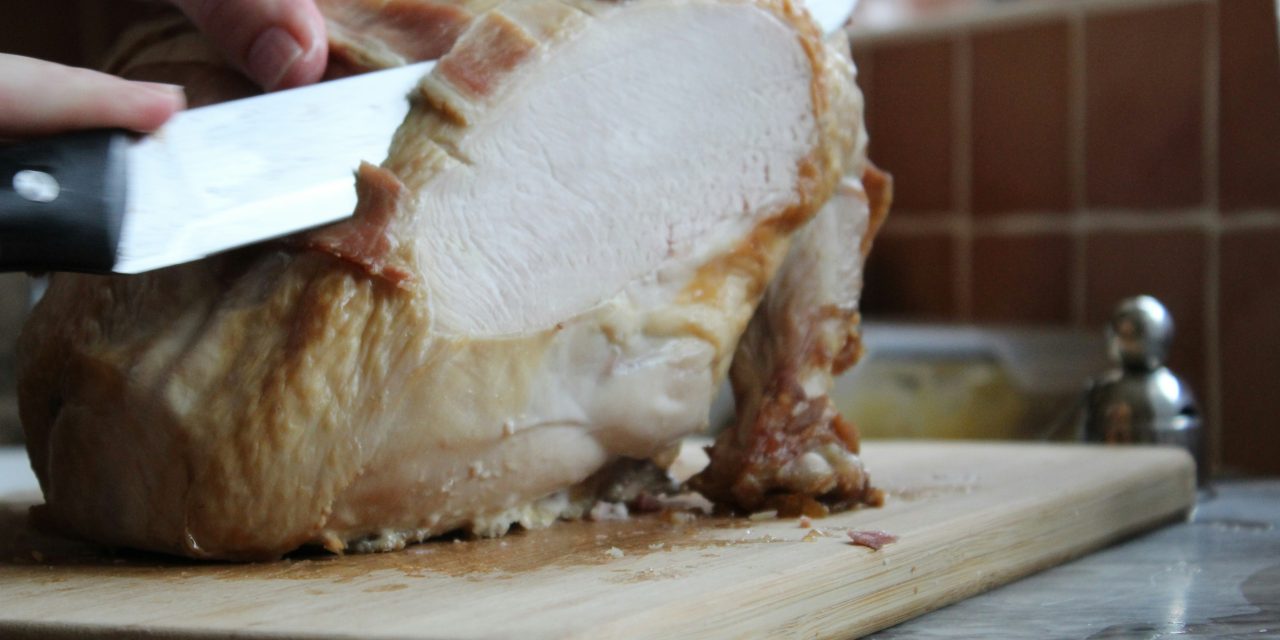
Resting cooked chicken breast is a crucial step that should not be overlooked. Allowing the meat to rest for at least 5-10 minutes after cooking enables juices to redistribute throughout the fibers, resulting in a more succulent final product.
During this resting period, cover the chicken loosely with foil to retain warmth while preventing steam buildup that could lead to sogginess. This simple yet effective technique can make a significant difference in achieving tender and juicy chicken breast.
Creative Recipes That Keep Chicken Breast Tender
Exploring creative recipes can help keep chicken breast tender while introducing exciting flavors to your meals. Here are a few ideas:
1. **Stuffed Chicken Breast**: Fill chicken breasts with spinach, feta cheese, and sun-dried tomatoes before baking for a flavorful twist that retains moisture.
2. **Chicken Piccata**: Sauté chicken breasts in lemon juice and capers for a tangy dish that enhances juiciness through quick cooking methods.
3. **Coconut Curry Chicken**: Simmer chicken breasts in coconut milk with spices for a rich and creamy dish that keeps meat moist while infusing it with exotic flavors.
4. **Grilled Chicken Tacos**: Marinate chicken breasts in lime juice and spices before grilling; serve in tortillas with fresh toppings for a delicious meal that maintains tenderness.
Troubleshooting Common Mistakes and How to Avoid Them
Even seasoned cooks can encounter challenges when preparing chicken breast. Here are some common mistakes and solutions:
1. **Overcooking**: To avoid dryness, monitor internal temperature closely using a meat thermometer and remove from heat at 160°F (71°C).
2. **Skipping Brining or Marinating**: Neglecting these steps can lead to bland or dry meat; always consider brining or marinating for enhanced flavor and moisture retention.
3. **Cooking at Too High Temperatures**: High heat can cause rapid moisture loss; opt for moderate temperatures and adjust cooking times accordingly.
4. **Not Resting After Cooking**: Failing to rest chicken leads to lost juices; always allow time for resting before slicing into the meat.
In summary, mastering the art of cooking chicken breast involves understanding its unique properties and employing techniques that enhance moisture retention while maximizing flavor. From selecting fresh cuts to utilizing effective cooking methods and seasoning strategies, each step contributes to achieving tender and juicy results every time you prepare this versatile protein source. By incorporating brining, marinating, temperature control, and resting techniques into your culinary repertoire, you can elevate your chicken dishes from ordinary to extraordinary while avoiding common pitfalls along the way.
FAQs
What is the best cooking method to prevent chicken breast from drying out?
The best cooking methods to prevent chicken breast from drying out include poaching, baking at a low temperature, and grilling. These methods help retain moisture by cooking the chicken gently and evenly, allowing it to stay juicy.
Should I marinate chicken breast before cooking?
Yes, marinating chicken breast before cooking can help keep it moist. A marinade typically contains an acid (like vinegar or lemon juice), oil, and seasonings, which can tenderize the meat and add flavor while also helping to retain moisture during cooking.
What internal temperature should chicken breast reach to ensure it is cooked without drying out?
Chicken breast should reach an internal temperature of 165°F (75°C) to be safely consumed. Using a meat thermometer can help ensure that the chicken is cooked through without overcooking, which can lead to dryness.
How long should I let chicken breast rest after cooking?
It is recommended to let chicken breast rest for about 5 to 10 minutes after cooking. This resting period allows the juices to redistribute throughout the meat, resulting in a juicier and more flavorful chicken breast.
Can I use a slow cooker to cook chicken breast without drying it out?
Yes, using a slow cooker is an excellent way to cook chicken breast without drying it out. The low and slow cooking method helps retain moisture, and adding a bit of broth or sauce can further enhance the juiciness of the chicken.