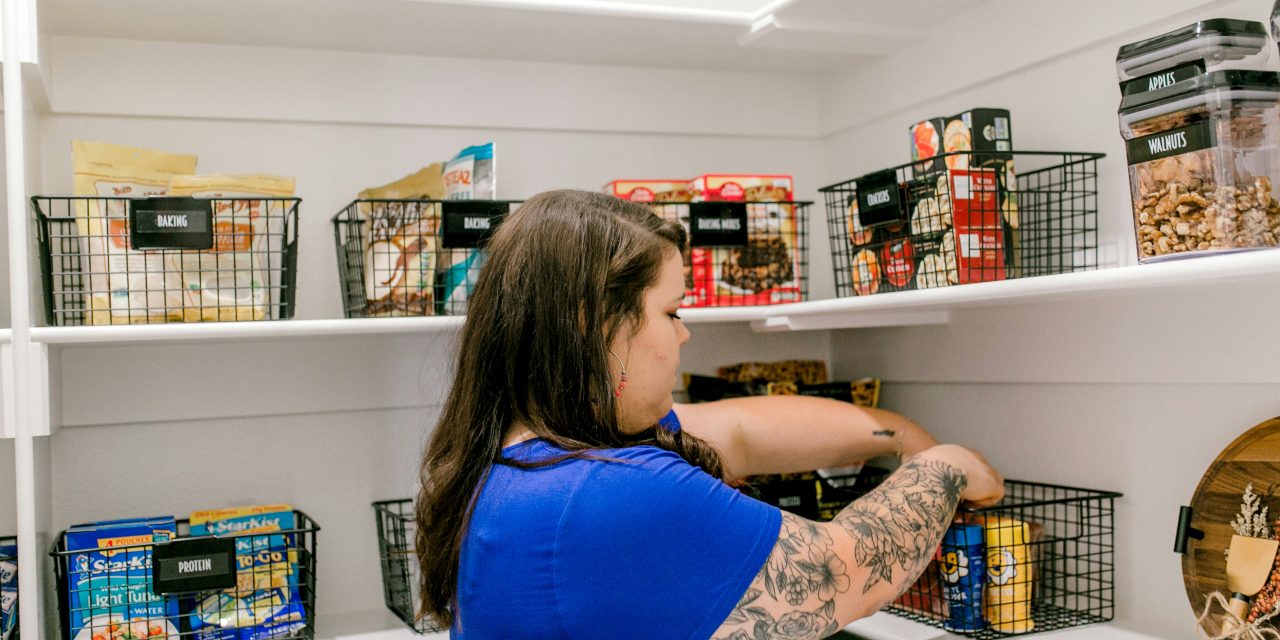
Before embarking on the journey of pantry organization, it is crucial to conduct a thorough assessment of your available space and specific needs. Begin by measuring the dimensions of your pantry, including height, width, and depth. This will provide a clear understanding of how much storage capacity you have at your disposal. Take note of any unique features such as shelves, built-in cabinets, or awkward corners that may influence your organizational strategy.
Next, evaluate the types of items you typically store in your pantry. Consider the variety of food products, cooking essentials, and non-food items that require storage. Categorizing these items will help you determine how much space each category needs. For instance, bulk items like rice and pasta may require larger containers, while spices and condiments can be stored in smaller compartments. By understanding your pantry’s dimensions and your storage requirements, you can create a tailored organization plan that maximizes efficiency.
Use Clear, Stackable Containers
One of the most effective ways to enhance pantry organization is by utilizing clear, stackable containers. These containers not only provide a uniform appearance but also allow for easy visibility of contents. When selecting containers, opt for BPA-free plastic or glass options that are durable and safe for food storage. Clear containers enable you to quickly identify items without rummaging through cluttered shelves, saving time during meal preparation.
Stackable containers are particularly advantageous for optimizing vertical space. By stacking containers, you can create additional layers of storage without sacrificing accessibility. This method is especially useful for smaller pantries where floor space is limited. Consider using different sizes to accommodate various items; for example, larger containers can hold bulk grains while smaller ones can store snacks or baking supplies. This approach not only enhances organization but also contributes to a visually appealing pantry.
Install Pull-Out Bins or Drawers

To further enhance accessibility and organization within your pantry, consider installing pull-out bins or drawers. These solutions allow you to maximize deep shelves that often become neglected and cluttered. Pull-out bins provide easy access to items stored at the back of the shelf, eliminating the need to reach awkwardly or remove multiple items to retrieve what you need.
When selecting pull-out bins or drawers, ensure they are sturdy and designed for pantry use. Look for options with dividers or compartments to keep similar items together. This feature can be particularly beneficial for storing snacks, canned goods, or baking supplies. By incorporating pull-out solutions into your pantry design, you can create a more functional space that encourages efficient meal preparation and reduces food waste.
Label Everything for Easy Identification

Labeling is an essential component of an organized pantry. By clearly marking containers and shelves, you can streamline the process of locating items quickly. Use a label maker or decorative labels to create a cohesive look throughout your pantry. Consider including both the name of the item and its expiration date on labels to ensure freshness and minimize waste.
In addition to labeling containers, consider creating a master inventory list that outlines the contents of your pantry. This list can be kept on the inside of the pantry door or on a clipboard for easy reference. By maintaining an organized labeling system, you can reduce the time spent searching for ingredients and ensure that your pantry remains well-stocked with essentials.
Utilize Tiered Shelf Organizers
Tiered shelf organizers are an excellent solution for maximizing visibility and accessibility in your pantry. These organizers allow you to display multiple rows of items without obscuring those at the back. By elevating products on different levels, you can easily see everything at a glance, making it simpler to locate what you need.
When selecting tiered organizers, consider those designed specifically for pantry use, as they often feature non-slip surfaces and adjustable heights. These organizers are ideal for storing spices, canned goods, or small jars. By incorporating tiered shelf organizers into your pantry design, you can create a more efficient space that minimizes clutter and enhances overall functionality.
Incorporate Lazy Susans for Accessibility
Lazy Susans are versatile tools that can significantly improve accessibility in your pantry. These rotating trays allow you to easily reach items stored in the back without having to dig through other products. They are particularly useful for storing condiments, oils, and spices, as they enable quick access to frequently used ingredients.
When incorporating Lazy Susans into your pantry, consider using different sizes to accommodate various items. A larger Lazy Susan can hold bulkier bottles or jars, while smaller versions are perfect for spices or snack packs. By utilizing this rotating storage solution, you can enhance organization while ensuring that all items are easily accessible.
Group Similar Items Together
Grouping similar items together is a fundamental principle of effective pantry organization. By categorizing products based on their type or usage, you can streamline meal preparation and reduce the time spent searching for ingredients. For example, consider creating designated sections for baking supplies, canned goods, snacks, and grains.
To further enhance this organizational strategy, consider using bins or baskets to contain each category. This approach not only keeps similar items together but also creates a visually appealing display within your pantry. Additionally, grouping items by category allows you to quickly assess what you have on hand and identify any items that may need replenishing.
Adjust Shelf Heights to Maximize Vertical Space
Maximizing vertical space is essential in any pantry organization strategy. Many pantries feature adjustable shelving that allows you to customize shelf heights based on your specific needs. Take advantage of this feature by adjusting shelves to accommodate taller items such as cereal boxes or large jars.
When organizing your pantry, consider placing frequently used items at eye level while reserving higher shelves for less commonly used products. This approach not only enhances accessibility but also ensures that your pantry remains functional and efficient. By optimizing shelf heights, you can create a well-organized space that minimizes clutter and maximizes storage potential.
Use Door-Mounted Storage Solutions
Door-mounted storage solutions are an innovative way to utilize otherwise wasted space in your pantry. By installing racks or pockets on the inside of the pantry door, you can create additional storage for smaller items such as spices, snacks, or cleaning supplies. This approach keeps these frequently used items easily accessible while freeing up valuable shelf space.
When selecting door-mounted storage solutions, consider options that are adjustable or removable for added flexibility. Look for racks with multiple tiers or pockets to maximize storage capacity. By incorporating door-mounted solutions into your pantry design, you can enhance organization while ensuring that all items are within reach.
Keep Frequently Used Items at Eye Level
To optimize efficiency in your pantry organization, it is essential to keep frequently used items at eye level. This strategic placement allows for quick access during meal preparation and reduces the likelihood of overlooking essential ingredients. Consider organizing your pantry so that staples such as cooking oils, spices, and snacks are easily visible and within reach.
In addition to enhancing accessibility, keeping frequently used items at eye level contributes to a more organized appearance within your pantry. By ensuring that these essential products are prominently displayed, you can create a functional space that encourages efficient cooking and meal planning.
Regularly Declutter and Rotate Pantry Items
Maintaining an organized pantry requires regular decluttering and rotation of items. Set aside time every few months to assess the contents of your pantry and remove any expired or unused products. This practice not only helps prevent food waste but also ensures that your pantry remains functional and efficient.
In addition to decluttering, consider implementing a rotation system for perishable items such as canned goods or dry foods with expiration dates. Place newer items at the back of the shelf while moving older products to the front to encourage their use before they expire. By regularly decluttering and rotating pantry items, you can maintain an organized space that supports healthy eating habits.
In summary, organizing your pantry involves a systematic approach that includes assessing space and needs, utilizing clear containers, installing pull-out bins, labeling everything clearly, employing tiered organizers and Lazy Susans for accessibility, grouping similar items together, adjusting shelf heights effectively, using door-mounted solutions creatively, keeping frequently used items at eye level, and regularly decluttering and rotating stock. By implementing these strategies thoughtfully, you can transform your pantry into a functional and aesthetically pleasing space that enhances your culinary experience while minimizing waste and maximizing efficiency.
FAQs
What are the best ways to categorize items in a deep pantry?
To effectively categorize items in a deep pantry, consider grouping similar products together. Common categories include canned goods, dry grains, snacks, baking supplies, and spices. You can also organize by frequency of use, placing items you use often at eye level and less frequently used items on higher or lower shelves.
How can I maximize space in deep pantry shelves?
Maximizing space in deep pantry shelves can be achieved by using stackable bins, tiered organizers, or lazy Susans. These tools help to utilize vertical space and make it easier to access items at the back of the shelf. Additionally, consider using clear containers to store bulk items, which can help you see what you have at a glance.
What are some tips for maintaining an organized deep pantry?
To maintain an organized deep pantry, regularly check expiration dates and rotate items to ensure older products are used first. Schedule a monthly or quarterly review to declutter and reorganize as needed. Labeling shelves and containers can also help everyone in the household know where items belong, making it easier to keep things tidy.
Should I use bins or baskets for organizing a deep pantry?
Using bins or baskets is highly recommended for organizing a deep pantry. They help contain smaller items and prevent them from getting lost in the back of the shelves. Choose bins that fit your pantry dimensions and are easy to pull out, allowing you to access items without having to dig through everything.
What items should be stored at the back of deep pantry shelves?
Items that are rarely used or have a longer shelf life can be stored at the back of deep pantry shelves. This includes bulk items, seasonal ingredients, or specialty products that you don’t use frequently. Keeping these items at the back allows you to keep more commonly used items easily accessible at the front.