A fluffy omelet is a culinary delight that transcends the ordinary breakfast fare, offering a light, airy texture that melts in the mouth. The foundation of this dish lies in the eggs, which, when treated with care and precision, can transform into a cloud-like creation. The key to achieving this fluffiness is not merely in the ingredients but also in the techniques employed during preparation and cooking. A well-executed fluffy omelet can serve as a canvas for various fillings, making it a versatile option for any meal of the day.
The science behind a fluffy omelet involves the incorporation of air into the egg mixture. When eggs are whisked, proteins unfold and trap air bubbles, which expand during cooking, resulting in a light and airy texture. Understanding this fundamental principle is crucial for anyone aspiring to master the art of omelet-making. Additionally, the choice of eggs and other ingredients plays a significant role in the final outcome, influencing both flavor and texture.
Choosing the Right Eggs and Ingredients
Selecting high-quality eggs is paramount for crafting a superior fluffy omelet. Freshness is key; eggs that are just a few days old will yield better results than those that have been sitting in the refrigerator for weeks. Look for eggs with bright, vibrant yolks, as this indicates a healthy hen diet rich in nutrients. Organic or free-range eggs are often preferred for their superior flavor and ethical sourcing.
In addition to eggs, the choice of additional ingredients can elevate your omelet experience. Fresh herbs such as chives, parsley, or basil can add a burst of flavor without overwhelming the dish. Cheese varieties like feta, cheddar, or goat cheese can introduce creaminess and depth. Vegetables such as bell peppers, onions, or spinach can provide texture and nutritional value. However, it is essential to balance these ingredients to maintain the omelet’s fluffiness.
Preparing Your Eggs for Maximum Fluffiness

Preparation is crucial when aiming for a fluffy omelet. Begin by cracking the eggs into a mixing bowl, ensuring no shell fragments make their way into the mixture. For optimal results, use two to three large eggs per omelet. The next step involves whisking the eggs vigorously until they are fully combined and frothy. This process should take about 30 seconds to one minute, allowing air to be incorporated effectively.
For an added layer of fluffiness, consider adding a splash of milk or cream to the egg mixture. This not only enhances the richness but also contributes to a lighter texture. The ratio of liquid to eggs should be approximately one tablespoon per egg. Once combined, let the mixture rest for a few minutes before cooking; this allows the proteins to relax and further aids in achieving that desired fluffiness.
The Importance of Whisking Techniques

Whisking techniques play a pivotal role in determining the final texture of your omelet. A common mistake is under-whisking, which results in a denser product lacking the airy quality that defines a fluffy omelet. Use a balloon whisk or an electric mixer for optimal aeration. When whisking by hand, employ a circular motion while incorporating vertical strokes to ensure even mixing.
Another technique to consider is whisking the egg whites separately from the yolks before gently folding them together. This method introduces even more air into the mixture, resulting in an exceptionally light omelet. However, this approach requires careful handling to avoid deflating the egg whites during the folding process.
Selecting the Ideal Pan and Heat Settings
The choice of pan significantly impacts cooking performance and outcome. A non-stick skillet is often recommended for omelet preparation due to its ease of use and ability to prevent sticking. A pan with sloped sides allows for easy flipping and folding of the omelet. A diameter of 8 to 10 inches is ideal for a single serving.
Heat settings are equally important; too high of a temperature can lead to overcooking or burning, while too low may result in an undercooked center. Preheat your pan over medium-low heat for several minutes before adding any fat. This ensures even cooking and helps achieve that perfect golden-brown exterior while maintaining a soft interior.
Using Butter or Oil to Prevent Sticking
To prevent sticking and enhance flavor, using fat is essential when cooking an omelet. Butter is often favored for its rich taste and ability to create a beautiful golden crust. Use about one tablespoon of unsalted butter for an 8-inch pan; allow it to melt completely before adding the egg mixture.
Alternatively, olive oil can be used for those seeking a healthier option or different flavor profile. Regardless of your choice, ensure that the fat coats the entire surface of the pan evenly before pouring in the eggs. This step is crucial for achieving that desired slide-off-the-pan effect when it comes time to fold or serve.
Cooking the Omelet: Timing and Temperature Control
Cooking time is critical when preparing a fluffy omelet; it typically takes about 2 to 4 minutes depending on heat settings and thickness of the egg mixture. As soon as you pour in the eggs, gently swirl them around to ensure even distribution across the pan’s surface. Allow them to cook undisturbed until the edges begin to set while keeping an eye on the center.
To achieve optimal fluffiness, consider using a spatula to gently lift the edges of the omelet while tilting the pan slightly to allow uncooked egg to flow underneath. This technique promotes even cooking without overexposing any part of the omelet to direct heat.
How to Fold Your Omelet Without Breaking It
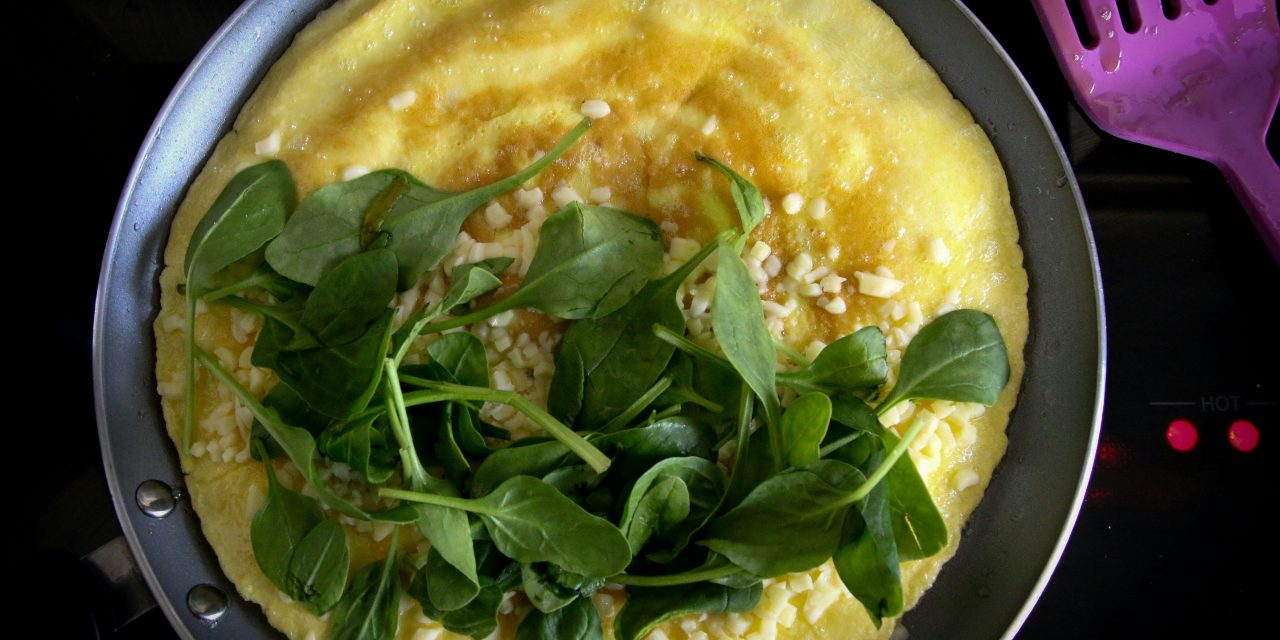
Folding an omelet can be daunting, especially if you aim for that perfect presentation without breaking it apart. Once your omelet has set but remains slightly runny on top, it’s time to fold. Using a spatula, gently lift one side of the omelet over itself, creating a half-moon shape.
To avoid breakage, ensure that your spatula is positioned at an angle that allows for smooth movement without applying too much pressure on the delicate structure of the eggs. If you find it challenging to fold directly in the pan, consider sliding it onto a plate first and then folding it over.
Tips for Adding Fillings Without Overloading
While fillings can enhance your fluffy omelet experience, it’s crucial not to overload it with too many ingredients. A general rule of thumb is to limit fillings to about 1/4 cup total per omelet; this ensures that your creation remains light and fluffy rather than weighed down by excess components.
When adding fillings such as cheese or vegetables, pre-cook them slightly before incorporating them into your omelet. This step helps release moisture and prevents sogginess while ensuring even distribution throughout the dish.
Avoiding Common Mistakes That Cause Overcooking
Overcooking is one of the most common pitfalls when preparing an omelet. To avoid this issue, keep an eye on both timing and temperature throughout the cooking process. If you notice browning occurring too quickly on the edges or bottom, reduce heat immediately.
Another mistake is flipping or stirring too aggressively; this can lead to breaking apart your delicate creation or causing uneven cooking. Instead, allow your omelet to set naturally before attempting any movement with your spatula.
Serving Suggestions to Enjoy Your Perfect Fluffy Omelet
Once you’ve successfully crafted your fluffy omelet, it’s time to serve it up! Consider garnishing with fresh herbs or microgreens for an added touch of color and flavor. Pair your omelet with toasted bread or a light salad for a balanced meal.
For those who enjoy bold flavors, serve alongside salsa or hot sauce for an exciting kick. Alternatively, consider drizzling with truffle oil or balsamic reduction for an elegant twist that elevates your dish from simple breakfast fare to gourmet experience.
In summary, mastering the art of creating a fluffy omelet involves understanding egg selection, preparation techniques, cooking methods, and presentation tips. By focusing on each aspect with care and precision, anyone can enjoy this delightful dish at home—perfectly fluffy every time!
FAQs
What ingredients are essential for making a fluffy omelet?
To make a fluffy omelet, you will need fresh eggs, a pinch of salt, and a splash of milk or cream. Optional ingredients include butter for cooking, and various fillings such as cheese, vegetables, or meats to enhance flavor.
How can I prevent my omelet from overcooking?
To prevent overcooking, cook your omelet on low to medium heat and keep a close eye on it. Remove the omelet from the heat when the edges are set but the center is still slightly runny, as it will continue to cook from residual heat.
What technique can I use to achieve a fluffy texture in my omelet?
Whisk the eggs vigorously before cooking to incorporate air, which helps create a fluffy texture. You can also separate the egg whites and yolks, whip the whites until stiff peaks form, and then gently fold them back into the yolks for an extra fluffy omelet.
Is it better to use a non-stick pan for cooking omelets?
Yes, using a non-stick pan is highly recommended for cooking omelets. It allows for easy flipping and prevents the omelet from sticking, which can lead to tearing and uneven cooking.
Can I make an omelet ahead of time and reheat it later?
Yes, you can make an omelet ahead of time. To reheat, place it in a microwave for a short duration or warm it in a skillet over low heat. Be cautious not to overheat, as this can lead to a rubbery texture.