Rice is a staple food consumed globally, yet many home cooks struggle with achieving the perfect texture. The phenomenon of mushy rice can be attributed to several factors, including overcooking, excessive water absorption, and the type of rice used. When rice grains absorb too much water, they swell and lose their structural integrity, resulting in a sticky, clumpy texture that is often undesirable. This can occur during the cooking process or even after, if the rice is left to sit in water for too long.
The starch content in rice plays a significant role in its final texture. Different varieties of rice contain varying levels of amylose and amylopectin, two types of starch. High-amylose rice tends to remain separate and fluffy when cooked, while high-amylopectin rice becomes sticky and clumps together. Understanding these starch compositions can help cooks select the appropriate rice for their desired dish and avoid the common pitfall of mushiness.
Identifying the Type of Rice You’re Using
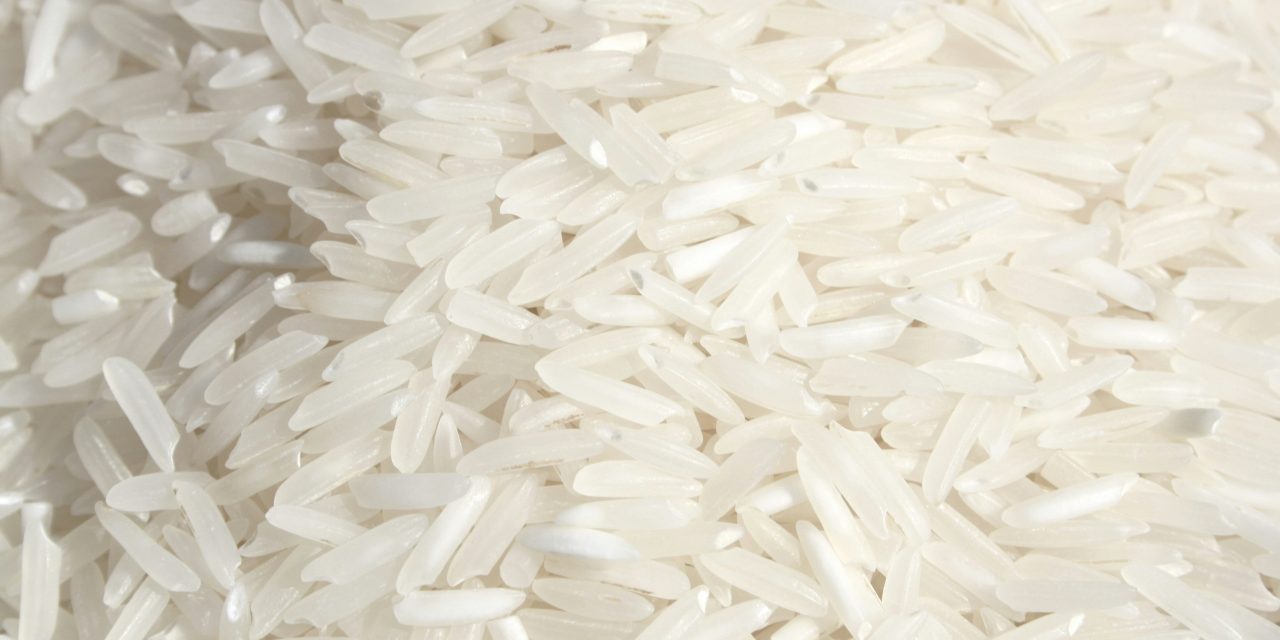
Before embarking on your culinary journey with rice, it is crucial to identify the specific type you are using. Rice varieties can be broadly categorized into long-grain, medium-grain, and short-grain types. Long-grain rice, such as Basmati or Jasmine, is known for its slender grains that remain separate when cooked. Medium-grain varieties like Arborio are often used in risottos due to their creamy texture, while short-grain rice, such as sushi rice, is characterized by its sticky consistency.
Each type of rice has unique cooking requirements and water absorption rates. For instance, Basmati rice typically requires a 1:1.5 rice-to-water ratio, while short-grain varieties may need closer to a 1:1 ratio. Familiarizing yourself with these distinctions will empower you to make informed decisions in the kitchen and achieve optimal results.
Proper Rice-to-Water Ratios for Perfect Texture

Achieving the ideal texture in cooked rice hinges on understanding the proper rice-to-water ratios. This ratio varies significantly depending on the type of rice being prepared. For long-grain varieties like Basmati or Jasmine, a common guideline is to use 1 cup of rice to 1.5 cups of water. This allows for sufficient hydration without leading to excess moisture that can cause mushiness.
Conversely, medium-grain rice often requires a slightly higher water ratio, typically around 1 cup of rice to 2 cups of water. Short-grain rice, known for its sticky nature, usually requires equal parts water to rice. It is essential to measure accurately and adjust based on personal preferences or specific cooking methods, such as steaming or boiling.
How to Rescue Mushy Rice: Quick Fixes

If you find yourself with a pot of mushy rice, fear not; there are several quick fixes that can salvage your dish. One effective method is to spread the overcooked rice onto a baking sheet in a thin layer and allow it to cool for a few minutes. This technique helps steam escape and can reduce stickiness.
Another option is to incorporate additional ingredients that can absorb excess moisture. Adding sautéed vegetables or proteins can help balance the texture while enhancing flavor. Additionally, consider mixing in a small amount of oil or butter to separate the grains further.
Draining Excess Water to Save Overcooked Rice
In cases where rice has absorbed too much water during cooking, draining excess liquid can be an effective solution. If you notice that your rice is swimming in water after cooking, carefully tilt the pot to pour off the excess liquid without losing the grains. This method allows you to retain the cooked rice while eliminating unwanted moisture.
After draining, fluff the rice gently with a fork to separate any clumped grains. This technique not only improves texture but also enhances the overall presentation of your dish.
Using the Oven or Skillet to Dry Out Mushy Rice
For those who prefer a more hands-on approach to rescuing mushy rice, utilizing an oven or skillet can be highly effective. Preheat your oven to a low temperature (around 300°F or 150°C) and spread the mushy rice evenly on a baking sheet. Bake for approximately 10-15 minutes, stirring occasionally until the moisture evaporates and the grains regain their firmness.
Alternatively, heating the rice in a skillet over low heat can also help dry it out. Add a small amount of oil or butter to prevent sticking and stir frequently until the desired texture is achieved. Both methods allow for greater control over moisture levels while enhancing flavor through caramelization.
Repurposing Mushy Rice in Recipes
If all else fails and your rice remains mushy despite your best efforts, consider repurposing it into new dishes. Mushy rice can serve as an excellent base for risottos or creamy casseroles where texture is less critical. Additionally, it can be transformed into delicious rice puddings or fritters by incorporating eggs and breadcrumbs.
Another creative solution is to use mushy rice as a thickening agent in soups or stews. Its starchy consistency can help achieve a creamy texture without compromising flavor. Embracing versatility in your cooking can turn a mishap into an opportunity for culinary innovation.
Tips for Washing and Rinsing Rice Correctly
Proper washing and rinsing techniques are essential steps in preparing rice that can significantly impact its final texture. Rinsing removes excess surface starch that contributes to stickiness during cooking. To wash rice effectively, place it in a fine-mesh strainer or bowl and rinse under cold running water until the water runs clear.
This process not only reduces stickiness but also helps eliminate any impurities or debris present in the grains. For certain types of rice, such as Basmati, soaking for 30 minutes before cooking can further enhance texture by allowing grains to hydrate evenly.
Cooking Rice with the Right Heat and Timing
The cooking method employed plays a pivotal role in achieving perfectly textured rice. Utilizing medium heat allows for gradual cooking without causing rapid evaporation of water. Once boiling begins, reduce heat to low and cover the pot with a tight-fitting lid to trap steam effectively.
Timing is equally crucial; overcooking can lead to mushiness while undercooking results in hard grains. Following recommended cooking times based on the type of rice being used ensures optimal results. For instance, long-grain varieties typically require around 15-20 minutes of simmering time.
Using a Rice Cooker for Consistent Results
For those seeking convenience and consistency in their rice preparation, investing in a quality rice cooker can be transformative. These appliances are designed to automate the cooking process by regulating temperature and moisture levels precisely.
Most modern rice cookers come equipped with various settings tailored for different types of rice, ensuring optimal results every time. Simply measure your ingredients according to the manufacturer’s guidelines, select the appropriate setting, and let the cooker do the work for you.
Storing and Reheating Rice to Maintain Texture
Proper storage techniques are essential for preserving the quality of cooked rice over time. Allowing cooked rice to cool completely before transferring it to an airtight container helps prevent moisture buildup that can lead to spoilage or undesirable textures.
When reheating leftover rice, consider using a microwave with added moisture by covering it with a damp paper towel or placing it in a bowl with a splash of water. This method helps steam the grains gently without drying them out or causing them to become mushy again.
In summary, achieving perfectly cooked rice requires an understanding of various factors including type selection, proper ratios, cooking techniques, and effective storage methods. By implementing these strategies and troubleshooting tips, home cooks can elevate their culinary skills and enjoy deliciously textured rice dishes consistently.
### FAQ Section
1. **Why does my rice always turn out mushy?**
– Common causes include using too much water, overcooking, or selecting an inappropriate type of rice for your dish.
2. **How do I know what type of rice I have?**
– Examine grain length (long, medium, short) and consult packaging labels for specific variety information.
3. **What is the best way to wash rice?**
– Rinse under cold running water until it runs clear; this removes excess starch and impurities.
4. **Can I fix mushy rice after cooking?**
– Yes! Spread it out on a baking sheet or use low heat in a skillet to dry it out.
5. **What are some recipes I can make with mushy rice?**
– Consider making risottos, casseroles, fritters, or using it as a thickener in soups.
6. **How do I store leftover cooked rice?**
– Cool completely before placing it in an airtight container; refrigerate for up to 4-6 days.
7. **Is it safe to reheat cooked rice?**
– Yes, but ensure it’s heated thoroughly; use moisture when reheating to maintain texture.
8. **What’s the ideal cooking time for different types of rice?**
– Long-grain: 15-20 minutes; medium-grain: 20-25 minutes; short-grain: 15-20 minutes.
9. **Can I use a pressure cooker for making rice?**
– Yes! Pressure cookers can yield perfectly cooked rice quickly; follow specific guidelines for timing and water ratios.
10. **What should I do if my rice cooker doesn’t have settings?**
– Use standard ratios (e.g., 1 cup of long-grain rice to 1.5 cups of water) and monitor cooking time closely.
In conclusion, mastering the art of cooking perfect rice involves understanding various factors such as type selection, proper ratios, cooking techniques, and effective storage methods. By implementing these strategies and troubleshooting tips, home cooks can elevate their culinary skills and enjoy deliciously textured rice dishes consistently.
FAQs
What causes rice to become mushy when cooked?
Mushy rice is often the result of overcooking or using too much water during the cooking process. When rice absorbs too much water, the grains can break down and become sticky, leading to a mushy texture. Additionally, using the wrong type of rice, such as short-grain rice for dishes that require long-grain rice, can also contribute to this issue.
How can I fix mushy rice after it has been cooked?
If your rice has turned out mushy, you can try spreading it out on a baking sheet and placing it in a low oven (around 200°F or 93°C) for about 10-15 minutes. This can help evaporate some of the excess moisture. Alternatively, you can also try adding a bit of oil or butter to help separate the grains.
What type of rice is less likely to become mushy?
Long-grain rice varieties, such as basmati or jasmine, are less likely to become mushy compared to short-grain varieties. Long-grain rice tends to remain separate and fluffy when cooked, making it a better choice for dishes where a non-sticky texture is desired.
How much water should I use to cook rice to prevent mushiness?
The general rule of thumb for cooking rice is to use a 2:1 water-to-rice ratio for long-grain rice and a 1.5:1 ratio for short-grain rice. However, this can vary depending on the type of rice and the cooking method, so it’s important to check the package instructions for specific recommendations.
Can rinsing rice help prevent it from becoming mushy?
Yes, rinsing rice before cooking can help remove excess starch, which can contribute to a sticky and mushy texture. Rinse the rice under cold water until the water runs clear to remove surface starch, then drain and cook as usual. This step is particularly beneficial for short-grain rice.