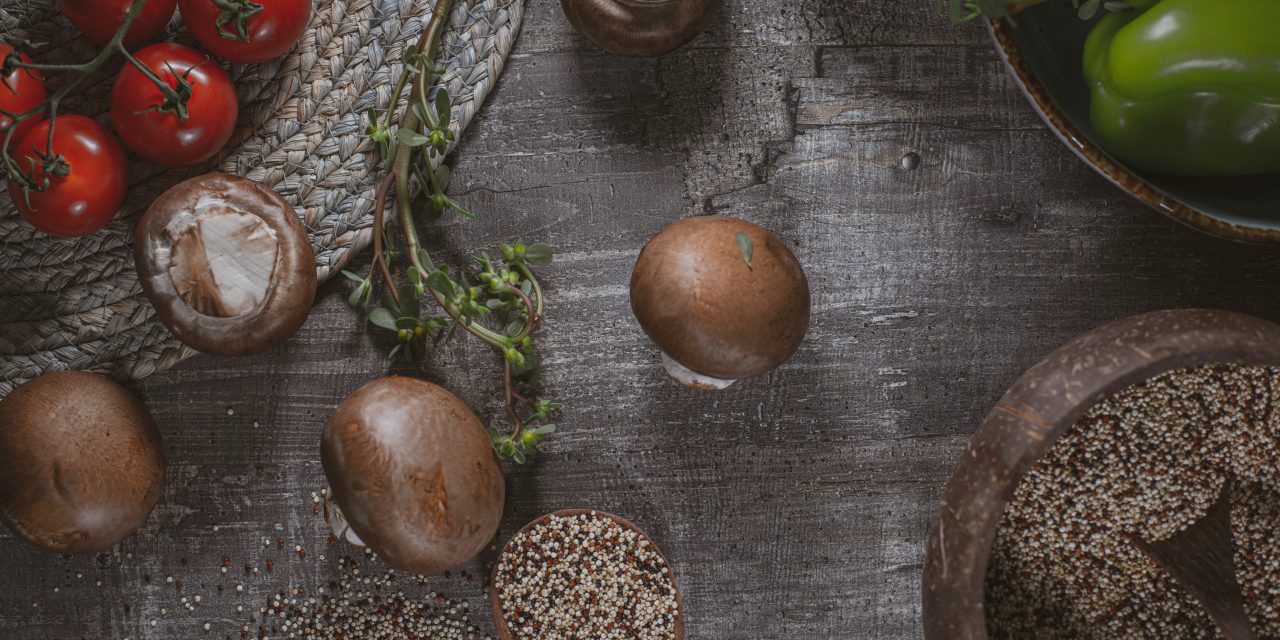
Quinoa, a pseudocereal native to the Andean region of South America, has gained immense popularity due to its nutritional profile, being rich in protein, fiber, and essential amino acids. However, many individuals encounter a bitter taste when consuming quinoa, which can detract from its otherwise pleasant nutty flavor. This bitterness primarily arises from the presence of saponins, a class of naturally occurring compounds found on the outer seed coat of quinoa grains. Saponins serve as a defense mechanism for the plant, deterring pests and herbivores from consuming the seeds.
The bitterness associated with saponins can vary significantly among different quinoa varieties. While some cultivars have been bred to have lower saponin content, others retain higher levels, resulting in a more pronounced bitter flavor. Understanding this aspect is crucial for consumers who wish to enjoy quinoa without the unpleasant aftertaste. Additionally, the perception of bitterness can be influenced by individual taste sensitivity, which varies from person to person. Therefore, it is essential to adopt proper preparation techniques to mitigate this bitterness and enhance the overall culinary experience.
Choosing the Right Type of Quinoa
When selecting quinoa, it is vital to consider the variety available in the market. The three most common types are white, red, and black quinoa. White quinoa is the most widely recognized and has a mild flavor with a fluffy texture when cooked. Red quinoa, on the other hand, boasts a slightly earthier taste and retains its shape better during cooking, making it an excellent choice for salads and grain bowls. Black quinoa offers a unique sweetness and a striking visual appeal, often used in gourmet dishes.
In addition to color, consumers should also pay attention to the source of their quinoa. Organic quinoa is cultivated without synthetic pesticides or fertilizers, ensuring a cleaner product that is better for both health and the environment. Furthermore, purchasing quinoa from reputable brands that provide information about their sourcing practices can help ensure that you are getting high-quality grains with minimal bitterness. By choosing the right type of quinoa based on flavor preferences and culinary applications, individuals can enhance their overall dining experience.
Properly Rinsing Quinoa to Remove Saponins

One of the most effective methods for reducing bitterness in quinoa is through proper rinsing before cooking. Rinsing quinoa under cold running water helps wash away the saponins that contribute to its bitter taste. To rinse quinoa effectively, place it in a fine-mesh strainer or sieve and run cold water over it for several minutes while gently rubbing the grains with your fingers. This process not only removes saponins but also helps eliminate any residual debris or impurities.
It is essential to ensure that the rinsing process is thorough; otherwise, some bitterness may remain. A good rule of thumb is to rinse until the water runs clear, indicating that most of the saponins have been washed away. For those who are particularly sensitive to bitterness or are trying quinoa for the first time, rinsing is a crucial step that should not be overlooked. By taking this simple precaution, individuals can significantly improve the taste of their cooked quinoa.
Soaking Quinoa Before Cooking

Soaking quinoa before cooking is another effective technique that can enhance its flavor and texture while further reducing bitterness. Soaking allows the grains to absorb water, which can help soften them and promote even cooking. Additionally, this process can aid in breaking down some of the saponins that contribute to bitterness.
To soak quinoa, place it in a bowl and cover it with water, allowing it to sit for at least 30 minutes or up to several hours. After soaking, drain and rinse the grains again before cooking. This method not only improves flavor but also enhances digestibility by reducing phytic acid levels, which can inhibit nutrient absorption. Soaking is particularly beneficial for individuals with sensitive digestive systems or those looking to maximize the nutritional benefits of quinoa.
Using the Correct Water-to-Quinoa Ratio
Achieving the perfect texture when cooking quinoa hinges on using the correct water-to-quinoa ratio. The standard ratio is typically 2:1—two cups of water for every cup of quinoa. However, this may vary slightly depending on personal preference and the specific type of quinoa being used. For instance, red and black quinoa may require slightly more water due to their denser structure.
To ensure optimal results, it is advisable to experiment with different ratios based on desired texture. For a fluffier consistency, one might reduce the water slightly; conversely, for a creamier texture akin to risotto, increasing the water may be beneficial. Monitoring cooking times is also crucial; quinoa generally takes about 15-20 minutes to cook until all water is absorbed and the grains have expanded into fluffy morsels.
Cooking Quinoa with Flavorful Broth Instead of Water
Cooking quinoa in water can yield satisfactory results; however, using flavorful broth instead can elevate its taste significantly. Vegetable or chicken broth infuses the grains with rich flavors that complement various dishes beautifully. This method not only enhances taste but also adds nutritional value by incorporating additional vitamins and minerals present in broth.
When using broth, it is essential to consider sodium content; opting for low-sodium varieties allows for better control over seasoning in the final dish. Additionally, homemade broth can be an excellent option as it allows for customization based on personal preferences and dietary restrictions. By substituting water with broth during cooking, individuals can transform plain quinoa into a delicious base for salads, grain bowls, or side dishes.
Adding Aromatics to Enhance Taste
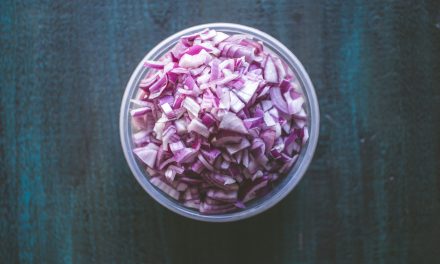
Incorporating aromatics such as garlic, onion, or herbs during the cooking process can further enhance the flavor profile of quinoa. Sautéing minced garlic or diced onions in olive oil before adding rinsed quinoa creates a fragrant base that infuses the grains with savory notes. Fresh herbs like parsley or cilantro can also be stirred in after cooking for an added burst of freshness.
Spices such as cumin or turmeric can be introduced during cooking to impart warmth and depth to the dish. Experimenting with different combinations of aromatics allows individuals to tailor their quinoa dishes according to personal preferences while maximizing flavor potential. By thoughtfully incorporating these elements into preparation, one can create a more satisfying culinary experience.
Avoiding Overcooking to Prevent Bitterness
Overcooking quinoa can lead to undesirable textures and flavors that detract from its natural appeal. When cooked too long, quinoa may become mushy and lose its characteristic bite, resulting in an unappetizing dish. Additionally, prolonged cooking can exacerbate any residual bitterness from saponins that may not have been adequately rinsed away.
To avoid overcooking, it is crucial to monitor cooking times closely and remove quinoa from heat as soon as all liquid has been absorbed and the grains have expanded into fluffy pearls. Allowing quinoa to rest covered for a few minutes after cooking helps steam any remaining moisture while preventing overcooking. This technique ensures that each grain retains its integrity and flavor.
Fluffing Quinoa After Cooking for Better Texture
Once cooked, fluffing quinoa with a fork is an essential step that enhances its texture and presentation. Fluffing separates the grains and prevents them from clumping together, resulting in a light and airy dish that is visually appealing. This technique also allows any residual steam to escape, preventing sogginess.
To fluff quinoa effectively, simply insert a fork into the cooked grains and gently lift them while turning them over. This motion helps aerate the quinoa while maintaining its delicate structure. Fluffed quinoa serves as an excellent base for salads or grain bowls and can be easily incorporated into various recipes without compromising texture.
Incorporating Quinoa into Balanced Recipes
Quinoa’s versatility makes it an ideal ingredient for creating balanced meals that cater to diverse dietary needs. Its high protein content makes it an excellent substitute for traditional grains in various dishes such as salads, stir-fries, or grain bowls. Combining quinoa with vegetables, lean proteins (such as chicken or tofu), and healthy fats (like avocado or nuts) creates a well-rounded meal that satisfies hunger while providing essential nutrients.
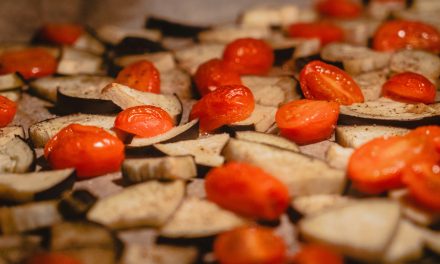
Additionally, incorporating seasonal vegetables into quinoa dishes not only enhances flavor but also boosts nutritional value by adding vitamins and minerals. For example, roasted sweet potatoes or sautéed spinach pair beautifully with quinoa for a colorful and nutritious meal option. By creatively integrating quinoa into recipes, individuals can enjoy its health benefits while exploring new culinary possibilities.
Storing Cooked Quinoa to Maintain Freshness and Flavor
Proper storage of cooked quinoa is crucial for maintaining its freshness and flavor over time. Once cooked, allow quinoa to cool completely before transferring it to an airtight container. Refrigerating cooked quinoa extends its shelf life up to five days while preserving its taste and texture.
For longer storage periods, cooked quinoa can be frozen in portion-sized containers or freezer bags for up to three months without significant loss of quality. When reheating frozen quinoa, it is advisable to add a splash of water or broth to restore moisture and prevent dryness during heating. By following these storage guidelines, individuals can enjoy delicious quinoa dishes throughout the week without compromising quality.
In summary, understanding how to prepare and cook quinoa effectively can significantly enhance its flavor while minimizing bitterness caused by saponins. Choosing the right type of quinoa, rinsing thoroughly before cooking, soaking if desired, using appropriate water ratios, and incorporating flavorful ingredients are all essential steps toward achieving delicious results. By avoiding overcooking and properly storing cooked quinoa, individuals can enjoy this nutritious grain as part of balanced meals that cater to diverse tastes and dietary needs.
FAQs
What causes quinoa to have a bitter taste?
Quinoa has a natural coating called saponin, which can impart a bitter flavor if not properly rinsed off before cooking. This coating serves as a natural defense mechanism for the plant against pests and birds.
How can I properly rinse quinoa before cooking?
To rinse quinoa, place it in a fine-mesh strainer and run cold water over it for about 1-2 minutes. Use your hands to agitate the grains gently, ensuring that all surfaces are washed thoroughly to remove the saponin coating.
Is it necessary to soak quinoa before cooking?
Soaking quinoa is not strictly necessary, but it can help reduce cooking time and improve digestibility. If you choose to soak it, rinse it well afterward to remove any remaining saponin before cooking.
What is the best water-to-quinoa ratio for cooking?
The ideal water-to-quinoa ratio is typically 2:1, meaning for every cup of quinoa, you should use two cups of water. This ratio helps ensure that the quinoa cooks evenly and absorbs enough moisture without becoming mushy.
Can I add flavor to quinoa while cooking?
Yes, you can enhance the flavor of quinoa by cooking it in broth instead of water, or by adding herbs, spices, or aromatics like garlic and onion to the cooking liquid. This will infuse the quinoa with additional taste and aroma.