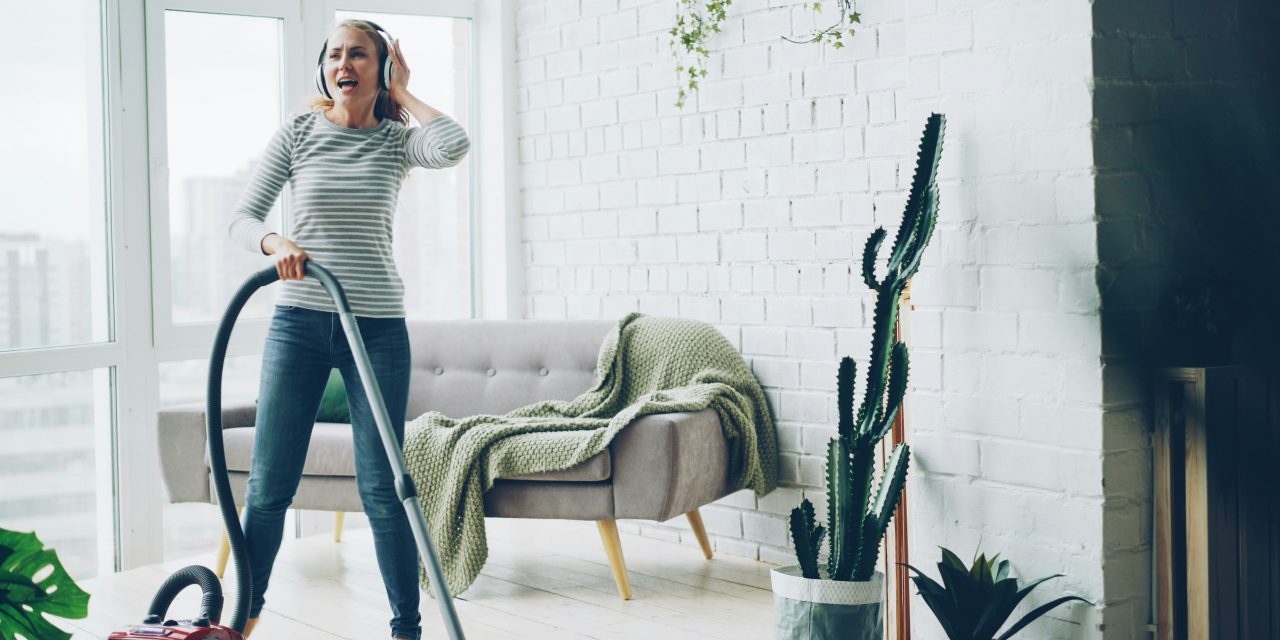
Creating a daily cleaning routine is essential for maintaining an organized and hygienic living environment, especially in households with children. A structured approach to cleaning not only fosters a sense of responsibility among family members but also minimizes the overwhelming feeling that often accompanies household chores. By dedicating specific times each day to cleaning tasks, families can ensure that their home remains tidy and inviting.
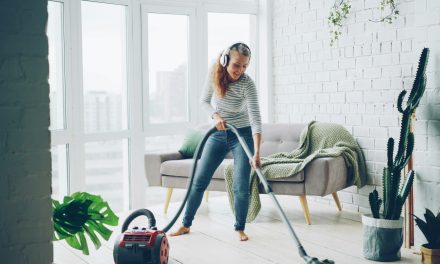
To establish an effective daily cleaning routine, it is beneficial to break down tasks into manageable segments. For instance, mornings can be reserved for making beds and tidying up bedrooms, while afternoons might focus on kitchen cleanup after meals. Evening routines could include a quick sweep of common areas and ensuring that toys are put away. By consistently adhering to this schedule, families can cultivate habits that promote cleanliness and organization.
Involve Kids in Age-Appropriate Chores
Involving children in household chores is a vital step in teaching them responsibility and the importance of contributing to the family unit. Age-appropriate chores not only empower kids but also instill a sense of accomplishment when they complete tasks. Younger children can engage in simple activities such as sorting laundry by color or putting away their toys, while older kids can take on more complex responsibilities like vacuuming or washing dishes.
When assigning chores, it is crucial to consider each child’s developmental stage and capabilities. For instance, toddlers may enjoy helping with dusting low surfaces using a microfiber cloth, while pre-teens can be tasked with organizing their own rooms or assisting with meal preparation. By tailoring chores to suit their abilities, parents can foster a positive attitude towards cleaning and encourage teamwork within the family.
Use Storage Solutions to Declutter Quickly

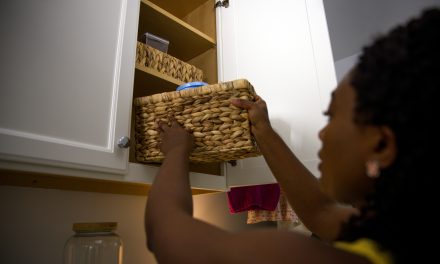
Effective storage solutions are paramount in maintaining an organized home environment. Clutter can quickly accumulate, particularly in households with children, making it essential to implement strategies that facilitate quick decluttering. Utilizing bins, baskets, and shelving units can significantly enhance organization and accessibility, allowing family members to find items easily while also promoting tidiness.
In addition to traditional storage options, creative solutions such as under-bed storage or multi-functional furniture can maximize space efficiency. Labeling storage containers can further streamline the process by ensuring that everyone knows where items belong. By establishing designated storage areas for toys, books, and other belongings, families can create a visually appealing and functional living space that encourages cleanliness.
Create Designated Play Areas

Designating specific play areas within the home is an effective strategy for managing clutter and promoting organized playtime. By establishing boundaries for where toys and games can be used, families can minimize mess in other areas of the house. These designated spaces can be tailored to suit the interests of the children, whether it be a cozy reading nook or an expansive playroom filled with creative materials.
When creating play areas, it is essential to consider safety and accessibility. Ensuring that these spaces are child-proofed and equipped with age-appropriate materials will encourage children to engage in imaginative play while also fostering independence. Additionally, incorporating comfortable seating and adequate lighting can enhance the overall experience, making playtime enjoyable while simultaneously promoting a sense of ownership over their space.
Encourage Clean-Up Time After Activities
Instilling the habit of cleaning up after activities is crucial for maintaining an organized home environment. Encouraging children to take responsibility for their messes not only teaches accountability but also reinforces the importance of respecting shared spaces. Establishing a clean-up time after each activity can help create a routine that becomes second nature over time.
To make clean-up time more engaging, parents can introduce fun elements such as timers or challenges. For example, setting a timer for five minutes and encouraging kids to see how many toys they can put away before it goes off can turn cleaning into a game. This approach not only makes the task more enjoyable but also fosters teamwork as family members work together to restore order.
Use Kid-Friendly Cleaning Supplies
Utilizing kid-friendly cleaning supplies is essential for ensuring safety while involving children in household chores. Traditional cleaning products often contain harsh chemicals that may pose health risks to young ones; therefore, opting for non-toxic alternatives is crucial. Many brands now offer eco-friendly cleaning solutions specifically designed for use around children, providing peace of mind for parents.
In addition to using safe cleaning products, teaching children how to use these supplies responsibly is equally important. Demonstrating proper techniques for cleaning surfaces or organizing items will empower kids to take ownership of their tasks while ensuring they understand the importance of safety precautions. By equipping children with knowledge about cleaning supplies, parents can foster a sense of responsibility and awareness regarding household maintenance.
Set Clear Rules About Food and Drink Areas
Establishing clear rules regarding food and drink areas within the home is vital for maintaining cleanliness and preventing messes from spreading throughout living spaces. Designating specific locations for eating and drinking helps contain spills and crumbs, making cleanup more manageable. For instance, families may choose to limit food consumption to the kitchen or dining room while prohibiting snacks in bedrooms or play areas.
Communicating these rules effectively is essential for ensuring compliance among family members. Parents should explain the rationale behind these guidelines, emphasizing the importance of maintaining a clean environment for everyone’s benefit. By reinforcing these rules consistently, families can cultivate habits that promote cleanliness and respect for shared spaces.
Make Cleaning Fun with Music and Games
Transforming cleaning into an enjoyable activity can significantly enhance children’s willingness to participate in household chores. Incorporating music or games into cleaning routines can create a lively atmosphere that motivates kids to engage in tidying up. For example, playing upbeat music during clean-up time can energize family members and make the process feel less like a chore.
Additionally, parents can introduce games such as “cleaning races” where family members compete to see who can pick up the most items in a set amount of time. This friendly competition not only makes cleaning more enjoyable but also fosters teamwork as everyone works together towards a common goal. By infusing fun into cleaning routines, families can cultivate positive associations with household chores.
Teach Kids to Put Away Toys Immediately
Encouraging children to put away toys immediately after use is an effective strategy for preventing clutter from accumulating throughout the home. Teaching this habit early on instills a sense of responsibility and respect for shared spaces while promoting organization skills that will benefit them throughout their lives. Parents can model this behavior by demonstrating how to properly store toys after playtime.
To reinforce this habit, parents may consider implementing visual reminders such as charts or checklists that outline the steps involved in putting away toys. Positive reinforcement through praise or small rewards can further motivate children to adhere to this practice consistently. By fostering an environment where immediate clean-up is encouraged, families can maintain a tidy living space while teaching valuable life skills.
Schedule Weekly Deep Cleaning Sessions
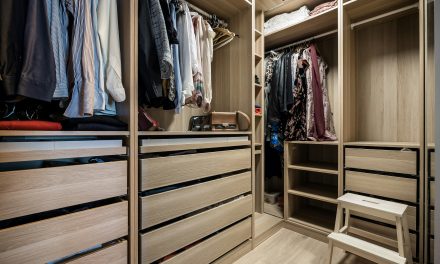
In addition to daily cleaning routines, scheduling weekly deep cleaning sessions is essential for maintaining a hygienic home environment. These sessions provide an opportunity to tackle more intensive tasks that may not be addressed during daily upkeep, such as scrubbing floors, dusting high surfaces, or organizing closets. By dedicating time each week for deep cleaning, families can ensure that their home remains fresh and inviting.
To make deep cleaning more manageable, families should create a checklist outlining specific tasks to be completed during each session. Assigning responsibilities among family members can also promote teamwork and accountability while ensuring that everyone contributes to maintaining a clean home. By incorporating deep cleaning into the weekly routine, families can cultivate habits that prioritize cleanliness and organization.
Reward and Praise Consistent Cleaning Habits
Recognizing and rewarding consistent cleaning habits is crucial for reinforcing positive behavior among children. Acknowledging their efforts through praise or small incentives encourages kids to take pride in their contributions to household maintenance. Celebrating milestones such as completing chores without reminders or maintaining a tidy room for an extended period fosters motivation and accountability.
Parents may consider implementing a reward system where children earn points or tokens for completing chores consistently over time. These points could be exchanged for privileges such as extra screen time or special outings as a way to reinforce positive behavior. By celebrating achievements related to cleanliness, families can cultivate an environment where responsibility and organization are valued.
In summary, establishing effective cleaning routines within households with children requires intentionality and creativity. By involving kids in age-appropriate chores, utilizing storage solutions, creating designated play areas, and fostering positive habits around cleanliness, families can maintain an organized living environment that promotes responsibility and teamwork. Through consistent reinforcement of these practices and recognition of efforts made by all family members, households can thrive in cleanliness while instilling valuable life skills in children.
FAQs
How can I involve my kids in cleaning the house?
Involving kids in cleaning can be fun and educational. Assign age-appropriate tasks, such as picking up toys, dusting surfaces, or sorting laundry. Use a reward system, like a sticker chart, to motivate them. Make cleaning a game by setting a timer and challenging them to complete tasks before time runs out.
What are some effective cleaning routines for families with children?
Establishing a daily cleaning routine can help maintain order. Consider a quick tidy-up session each evening where everyone spends 10-15 minutes putting things away. Additionally, designate specific days for deeper cleaning tasks, such as vacuuming or bathroom cleaning, and involve the kids in these activities to teach responsibility.
How can I keep toys organized in a house with kids?
To keep toys organized, use storage bins, baskets, or shelves labeled by category. Encourage kids to put toys away after playing and make it a habit. Implement a toy rotation system where only a selection of toys is available at a time, reducing clutter and making cleanup easier.
What cleaning supplies are safe to use around children?
When cleaning with kids in the house, opt for non-toxic and eco-friendly cleaning supplies. Look for products labeled as safe for children or make your own using natural ingredients like vinegar, baking soda, and essential oils. Always store cleaning supplies out of reach of children to ensure safety.
How can I maintain a clean house with a busy schedule?
To maintain a clean house despite a busy schedule, prioritize tasks and focus on high-traffic areas. Break cleaning into smaller, manageable tasks that can be done in short bursts throughout the week. Consider using a cleaning service occasionally for deep cleaning, and involve the whole family in maintaining cleanliness to share the workload.