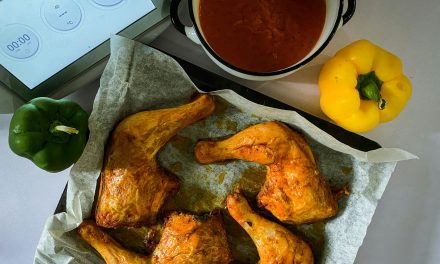
In recent years, the culinary landscape has witnessed a significant transformation with the advent of innovative cooking appliances, particularly air fryers and convection ovens. These devices have gained immense popularity among home cooks and professional chefs alike, primarily due to their ability to produce healthier meals without compromising on taste or texture. Air fryers utilize rapid air technology to create crispy dishes with minimal oil, while convection ovens employ a fan-assisted heating mechanism to circulate hot air, ensuring even cooking throughout the food. Understanding the nuances of these two appliances can empower consumers to make informed decisions that align with their cooking preferences and dietary goals.
The rise of health-conscious eating has propelled air fryers into the spotlight, as they offer a guilt-free alternative to traditional frying methods. On the other hand, convection ovens have long been a staple in many kitchens, revered for their versatility and capacity to handle larger meals. As we delve deeper into the mechanics and functionalities of these appliances, it becomes evident that both have unique advantages and potential drawbacks. This article aims to provide a comprehensive comparison of air fryers and convection ovens, exploring their operational principles, cooking capabilities, and overall value.
How Air Fryers Work: The Technology Behind the Crisp
Air fryers operate on a principle known as rapid air technology, which involves the circulation of hot air around food at high speeds. This method mimics the effects of deep frying by creating a crispy outer layer while retaining moisture within the food. The appliance typically features a heating element located at the top, which generates heat that is then distributed evenly throughout the cooking chamber by a powerful fan. This combination of heat and airflow allows for quick cooking times and even browning, resulting in dishes that are both delicious and healthier than their traditionally fried counterparts.
The design of air fryers often includes a perforated basket that allows excess fat to drip away from the food during cooking. This feature not only contributes to lower calorie counts but also enhances the overall texture of the dish. Many models come equipped with adjustable temperature settings and timers, enabling users to customize their cooking experience based on the specific requirements of various recipes. Additionally, some air fryers offer multiple cooking functions, such as baking, grilling, and roasting, further expanding their culinary capabilities.
Understanding Convection Ovens: Circulating Heat for Even Cooking

Convection ovens utilize a fan and exhaust system to circulate hot air around food, promoting even cooking and browning. Unlike traditional ovens that rely solely on radiant heat from heating elements, convection ovens distribute heat more uniformly throughout the cooking chamber. This technology not only reduces cooking times but also enhances the flavor and texture of dishes by preventing hot spots that can lead to uneven results.
The versatility of convection ovens makes them suitable for a wide range of cooking tasks, from baking cookies to roasting meats. Many models come with adjustable racks that allow for multiple trays of food to be cooked simultaneously, making them ideal for preparing large meals or batch cooking. Furthermore, convection ovens often feature additional settings such as broil and bake, providing users with greater control over their culinary creations. The ability to cook multiple dishes at once without compromising quality is a significant advantage for busy households or those who entertain frequently.
Key Differences in Cooking Methods

While both air fryers and convection ovens utilize circulating hot air to cook food, there are notable differences in their cooking methods that can influence user preference. Air fryers typically operate at higher temperatures and utilize a more concentrated airflow, resulting in faster cooking times and a crispier finish. This makes them particularly well-suited for foods that benefit from a crunchy exterior, such as fries, chicken wings, and vegetables.
Conversely, convection ovens provide a gentler cooking environment that is ideal for baking and roasting. The even heat distribution allows for consistent results across larger dishes, such as casseroles or whole turkeys. Additionally, convection ovens often have larger capacities than air fryers, making them more suitable for families or those who frequently prepare meals for gatherings. Understanding these differences can help consumers choose the appliance that best aligns with their culinary needs.
Size and Capacity: Which Appliance Fits Your Kitchen Needs?
When considering an air fryer or convection oven, size and capacity are crucial factors that can significantly impact usability. Air fryers are generally compact and designed for countertop use, making them an excellent choice for smaller kitchens or those with limited storage space. Most models have a capacity ranging from 2 to 6 quarts, which is sufficient for preparing meals for one to four people. However, larger families may find themselves needing to cook in batches or invest in multiple appliances.
In contrast, convection ovens tend to be larger and can accommodate more substantial quantities of food. Many models are designed to fit within standard kitchen cabinetry or can be freestanding units that double as additional oven space. With capacities often exceeding 5 cubic feet, convection ovens are ideal for preparing large roasts or multiple trays of baked goods simultaneously. Ultimately, consumers should assess their kitchen space and cooking habits when determining which appliance will best suit their needs.
Cooking speed is another critical aspect where air fryers excel compared to convection ovens. Due to their compact design and high-velocity airflow, air fryers can significantly reduce cooking times for many dishes. For instance, frozen french fries may take only 15-20 minutes in an air fryer compared to 25-30 minutes in a convection oven. This efficiency makes air fryers particularly appealing for individuals with busy lifestyles who seek quick meal solutions without sacrificing quality.
However, it is essential to note that while air fryers may cook certain foods faster, convection ovens offer advantages in terms of batch cooking capabilities. For larger meals or multiple dishes requiring simultaneous preparation, convection ovens can efficiently handle the workload without necessitating multiple rounds of cooking. Therefore, while air fryers may be quicker for individual items, convection ovens provide a more practical solution for comprehensive meal preparation.
Energy Efficiency Comparison
Energy efficiency is an increasingly important consideration for consumers looking to minimize their environmental impact and reduce utility bills. Air fryers generally consume less energy than convection ovens due to their smaller size and shorter cooking times. Most air fryers operate at around 1,500 watts, while convection ovens can range from 2,000 to 3,000 watts depending on the model and size. This difference in wattage translates into lower energy consumption during operation.
Moreover, because air fryers heat up quickly and require less preheating time compared to convection ovens, they can contribute to overall energy savings in the kitchen. For those who prioritize energy efficiency in their cooking appliances, air fryers may present a more sustainable option without sacrificing performance.
Versatility: What Can Each Appliance Cook?
Both air fryers and convection ovens boast impressive versatility when it comes to cooking capabilities; however, they excel in different areas. Air fryers are particularly adept at producing crispy textures for fried foods while also being suitable for baking small items like muffins or cookies. Their ability to grill vegetables or reheat leftovers adds to their multifunctionality.
Conversely, convection ovens shine in baking applications due to their consistent heat distribution and larger capacity. They are ideal for preparing cakes, bread, pastries, and other baked goods that require precise temperature control. Additionally, convection ovens can handle larger cuts of meat or whole poultry with ease, making them suitable for family gatherings or holiday feasts.
Ease of Use and Cleaning
User-friendliness is paramount when selecting kitchen appliances; both air fryers and convection ovens offer distinct advantages in this regard. Air fryers typically feature straightforward controls with digital displays that allow users to set temperatures and timers easily. Many models also come with pre-programmed settings for popular dishes like fries or chicken wings, simplifying the cooking process further.
Cleaning is another area where air fryers often excel due to their non-stick baskets that can be easily removed and washed either by hand or in a dishwasher. The design minimizes mess by containing splatter within the appliance itself. In contrast, while convection ovens may require more effort due to their larger size and multiple components (such as racks and trays), many modern models feature self-cleaning options that can simplify maintenance.
Price Range and Value for Money
When evaluating kitchen appliances like air fryers and convection ovens, price is an essential consideration that can influence purchasing decisions. Air fryers typically range from $50 to $300 depending on brand reputation, features offered, and capacity size. Budget-friendly options are available without sacrificing quality; however, investing in higher-end models may yield additional functionalities such as multiple cooking presets or enhanced durability.
Convection ovens generally fall within a broader price range of $100 to $1,500 or more based on size and advanced features like smart technology integration or dual-fuel capabilities. While they may represent a more significant upfront investment compared to air fryers, their versatility and capacity can provide excellent value over time—especially for families or avid cooks who frequently prepare large meals.
Which Should You Choose? Factors to Consider Based on Your Lifestyle
Ultimately, the decision between an air fryer and a convection oven hinges on individual lifestyle preferences and culinary needs. For those who prioritize quick meal preparation with an emphasis on crispy textures—particularly for smaller households—an air fryer may be the ideal choice. Its compact design allows for easy storage while delivering impressive results in minimal time.
Conversely, individuals who frequently entertain guests or prepare large family meals may find greater satisfaction with a convection oven’s expansive capacity and versatility across various cooking tasks. Additionally, those who enjoy baking may appreciate the consistent results achieved through even heat distribution.
In conclusion, both air fryers and convection ovens offer unique advantages tailored to different culinary styles and household needs. By carefully considering factors such as size requirements, cooking speed preferences, energy efficiency goals, versatility in meal preparation options—and ultimately personal lifestyle choices—consumers can confidently select the appliance that best aligns with their kitchen aspirations.
In summary:
– Air fryers utilize rapid air technology for healthier frying with minimal oil.
– Convection ovens circulate hot air for even cooking across larger meals.
– Key differences include cooking speed (air fryers are faster) and capacity (convection ovens hold more).
– Energy efficiency favors air fryers due to lower wattage.
– Versatility varies; air fryers excel at frying while convection ovens shine in baking.
– Price ranges differ significantly; both appliances offer value based on user needs.
– Ultimately, lifestyle factors should guide the choice between these two popular kitchen appliances.
FAQs
What is an air fryer?
An air fryer is a kitchen appliance that cooks food by circulating hot air around it, creating a crispy outer layer similar to frying but using significantly less oil. It typically features a fan and a heating element, allowing for faster cooking times and healthier meals compared to traditional frying methods.
How does a convection oven work?
A convection oven is an oven that uses a fan to circulate hot air around the food, promoting even cooking and browning. This technology allows food to cook faster and more evenly than in a conventional oven, making it a popular choice for baking and roasting.
What are the main differences between an air fryer and a convection oven?
The main differences between an air fryer and a convection oven include size, cooking capacity, and design. Air fryers are typically smaller and designed for quick cooking of smaller portions, while convection ovens are larger and can accommodate more food. Additionally, air fryers often have a basket design that allows for better airflow around the food, enhancing crispiness.
Can you use an air fryer for the same recipes as a convection oven?
Yes, many recipes can be adapted for both air fryers and convection ovens, but cooking times and temperatures may need to be adjusted. Air fryers generally cook food faster due to their compact size and powerful fan, so it’s important to monitor cooking progress when substituting one for the other.
Which appliance is more energy-efficient?
Air fryers are generally more energy-efficient than convection ovens because they preheat quickly and cook food faster due to their smaller size. This can lead to lower energy consumption overall, making air fryers a more economical choice for quick meals.