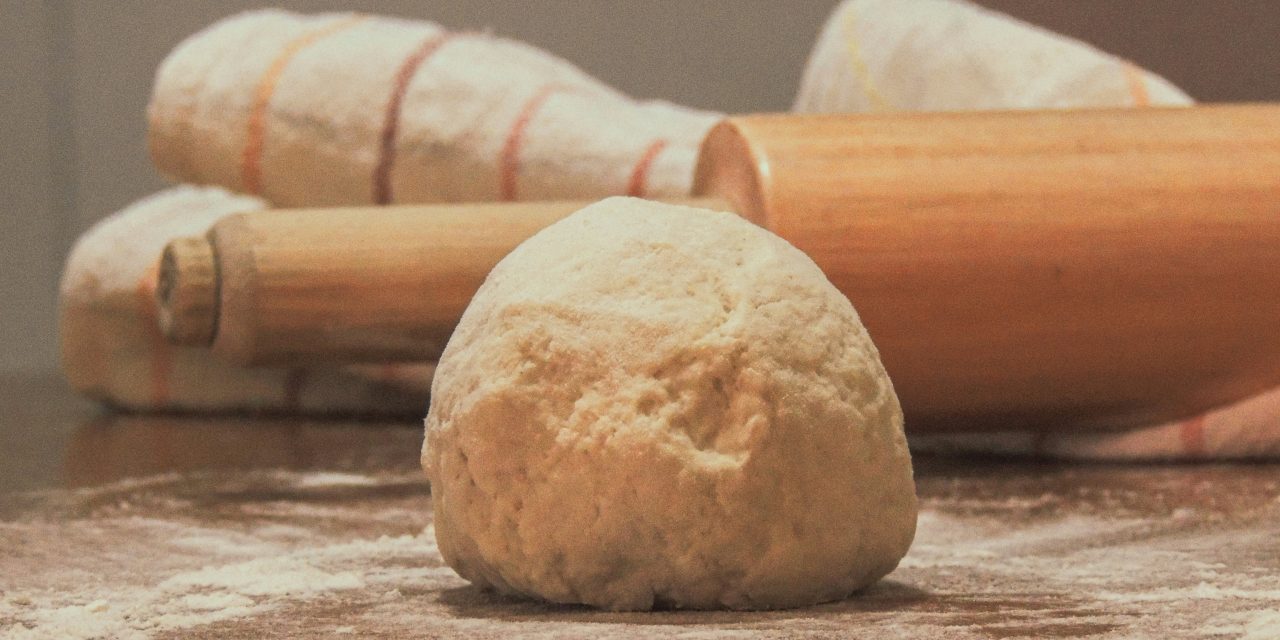
The process of dough rising, also known as fermentation, is a critical phase in bread-making that significantly influences the final product’s texture, flavor, and overall quality. During this phase, yeast consumes sugars present in the dough, producing carbon dioxide and alcohol as byproducts. The carbon dioxide gas gets trapped within the gluten network, causing the dough to expand and rise. This not only contributes to the light and airy structure of the bread but also enhances its flavor profile through the development of organic acids and alcohols during fermentation.
Moreover, the rising process is essential for achieving the desired crumb structure. A well-risen dough will yield a loaf with an open crumb and a chewy texture, while insufficient rising can lead to dense, heavy bread. Understanding the biochemical processes involved in dough rising allows bakers to manipulate variables such as temperature, humidity, and ingredient ratios to achieve optimal results. Thus, mastering the art of dough rising is fundamental for both amateur and professional bakers aiming to create high-quality baked goods.
Challenges of Rising Dough in a Cold Kitchen
Baking in a cold kitchen presents unique challenges that can hinder the dough rising process. Low ambient temperatures slow down yeast activity, leading to prolonged fermentation times or even complete stagnation. When the temperature dips below 70°F (21°C), yeast becomes less active, resulting in insufficient gas production and a failure to achieve the desired rise. This can be particularly problematic during winter months or in homes with inadequate heating.
Additionally, cold environments can lead to uneven rising, where certain areas of the dough may rise faster than others. This inconsistency can result in an uneven texture and unpredictable baking outcomes. Bakers may find themselves frustrated when their dough fails to rise adequately, leading to dense loaves that lack the desired lightness. Understanding these challenges is crucial for implementing effective strategies to ensure successful dough rising, even in less-than-ideal conditions.
Choosing the Right Yeast for Cold Environments

Selecting the appropriate yeast strain is vital for successful dough rising in cold kitchens. Active dry yeast and instant yeast are commonly used in home baking; however, some strains are more resilient to lower temperatures than others. For instance, certain brands of instant yeast are specifically formulated to perform well in cooler environments, allowing for better fermentation rates even when temperatures are suboptimal.
Another option is using fresh yeast, which tends to be more vigorous than dried varieties. Fresh yeast can provide a more robust fermentation process, making it suitable for colder conditions. Additionally, bakers may consider using sourdough starter as an alternative leavening agent. Sourdough cultures contain wild yeast and lactic acid bacteria that can thrive in cooler temperatures, offering a unique flavor profile while still achieving adequate rise.
Preparing Ingredients at Room Temperature

To facilitate optimal yeast activity and promote effective dough rising, it is essential to prepare ingredients at room temperature before mixing them into the dough. Cold ingredients can shock the yeast and inhibit its ability to ferment properly. For instance, using cold milk or eggs directly from the refrigerator can significantly slow down the fermentation process.
To avoid this issue, bakers should allow ingredients such as flour, water, milk, and eggs to come to room temperature before incorporating them into the dough. This simple step can enhance yeast performance and promote a more consistent rise. Additionally, measuring ingredients accurately ensures that the dough maintains the correct hydration level, further supporting yeast activity and gluten development.
Using Warm Water to Activate Yeast
Water temperature plays a crucial role in activating yeast and promoting effective fermentation. When mixing dough, using warm water—ideally between 100°F (38°C) and 110°F (43°C)—can help awaken dormant yeast cells and kickstart the fermentation process. Water that is too hot can kill yeast cells, while water that is too cold may not activate them adequately.
To achieve the ideal water temperature, bakers can use a kitchen thermometer or rely on their senses; warm water should feel comfortably warm to the touch but not scalding. Incorporating warm water into the dough mixture not only activates yeast but also helps create a conducive environment for gluten development, resulting in a more elastic and extensible dough.
Creating a Warm Proofing Spot Indoors
Establishing a warm proofing spot indoors is essential for encouraging proper dough rising in cold kitchens. A consistent temperature range of 75°F (24°C) to 80°F (27°C) is ideal for yeast activity. To create such an environment, bakers can utilize various methods within their homes.
One effective approach is to place the dough in a sunny spot near a window or on top of a warm appliance like a refrigerator or stove. Alternatively, bakers can turn on their oven for a few minutes to warm it slightly and then turn it off before placing the covered dough inside. This method creates a controlled environment that promotes consistent rising without overheating the dough.
Utilizing the Oven as a Proofing Box
The oven can serve as an excellent proofing box when temperatures are low outside. By preheating the oven to its lowest setting for just a few minutes and then turning it off, bakers create a warm environment conducive to yeast activity. Placing a bowl of hot water inside alongside the covered dough can further enhance humidity levels, preventing the surface from drying out.
It is crucial to monitor the oven’s temperature closely during this process; excessive heat can kill yeast cells and ruin the dough’s potential rise. A thermometer can help ensure that the oven remains within an optimal range for proofing. This method allows bakers to maintain control over their dough’s rising conditions, leading to more predictable outcomes.
Employing a Heating Pad or Hot Water Bottle
For those who lack suitable indoor proofing spots or face particularly cold conditions, utilizing a heating pad or hot water bottle can be an effective solution. A heating pad set on low can provide gentle warmth beneath a bowl of dough, creating an ideal environment for fermentation.
Alternatively, filling a hot water bottle with warm water and placing it near the covered dough can generate warmth without direct contact with the dough itself. This method helps maintain consistent temperatures while preventing overheating or drying out of the dough surface. Both options offer flexibility for bakers seeking reliable methods for promoting effective rising in challenging conditions.
Covering Dough to Retain Heat and Moisture
Covering dough during its rising phase is essential for retaining heat and moisture, both of which are critical for successful fermentation. Exposing dough to air can lead to surface drying, resulting in a crust that inhibits further expansion during rising. To prevent this issue, bakers should cover their dough with plastic wrap or a damp kitchen towel.
Using plastic wrap creates a sealed environment that traps warmth and moisture while allowing some gas exchange necessary for fermentation. A damp towel serves as an alternative that provides moisture without suffocating the dough. Ensuring proper coverage not only supports yeast activity but also contributes to achieving an optimal texture in the final baked product.
Extending Rising Time for Better Results
In colder environments where yeast activity is slowed down, extending rising time can yield better results than rushing through the process. While traditional recipes may suggest specific rising times, bakers should be flexible and adjust based on their kitchen conditions.
Longer fermentation periods allow for more complex flavor development as enzymes break down starches into sugars that yeast can consume. This extended time also promotes gluten development, resulting in improved elasticity and structure in the final loaf. Bakers should monitor their dough closely during this extended rise and look for visual cues such as doubling in size rather than adhering strictly to time guidelines.
Troubleshooting Common Issues in Cold Proofing
Despite careful planning and execution, bakers may encounter common issues when proofing dough in cold environments. One frequent problem is insufficient rise due to low temperatures; if this occurs, bakers should consider relocating their dough to a warmer area or employing one of the previously mentioned methods for generating heat.
Another issue may arise if the dough rises too slowly or becomes overly sticky; this could indicate that too much moisture was added or that gluten development was insufficient during mixing. In such cases, adjusting ingredient ratios or kneading techniques may be necessary for future batches.
Lastly, if bakers notice an unpleasant odor emanating from their dough during proofing, it could indicate over-fermentation or spoilage due to improper handling or storage conditions. In this scenario, it is advisable to discard the batch and start anew with fresh ingredients while ensuring proper sanitation practices are followed throughout the process.
In summary, understanding how to effectively manage dough rising in cold kitchens is essential for achieving high-quality baked goods. By selecting appropriate yeast strains, preparing ingredients at room temperature, utilizing warm water for activation, creating warm proofing spots indoors, employing heating pads or hot water bottles, covering dough properly, extending rising times when necessary, and troubleshooting common issues effectively—bakers can overcome challenges posed by low temperatures and produce delicious bread with desirable textures and flavors.
FAQs
What factors contribute to a cold kitchen affecting bread dough rising?
A cold kitchen can slow down the fermentation process of yeast, which is essential for dough rising. Factors such as low ambient temperature, drafts, and inadequate insulation can all contribute to a colder environment, making it difficult for the yeast to activate and produce the carbon dioxide needed for the dough to rise properly.
How can I create a warmer environment for my dough to rise in a cold kitchen?
To create a warmer environment, you can place the dough in a turned-off oven with the light on, which generates a bit of heat. Alternatively, you can use a heating pad set on low, or place the dough near a radiator or another warm spot in the kitchen. Covering the dough with a damp cloth can also help retain warmth and moisture.
Can I use warm water to help my dough rise in a cold kitchen?
Yes, using warm water (around 100°F or 38°C) when mixing your dough can help activate the yeast more effectively. This initial warmth can kickstart the fermentation process, making it easier for the dough to rise even in a cooler environment.
What are some alternative methods to rise dough in a cold kitchen?
Besides creating a warm environment, you can also use the “double rise” method, where you allow the dough to rise for a short period at room temperature and then refrigerate it for a longer rise. Additionally, using instant yeast or bread machine yeast can provide more reliable results in cooler conditions.
How long should I expect my dough to take to rise in a cold kitchen?
The rising time for dough in a cold kitchen can vary significantly, often taking 1.5 to 3 times longer than in a warmer environment. It’s essential to monitor the dough’s volume rather than strictly adhering to a clock, allowing it to rise until it has doubled in size.