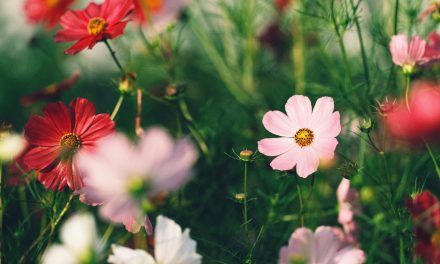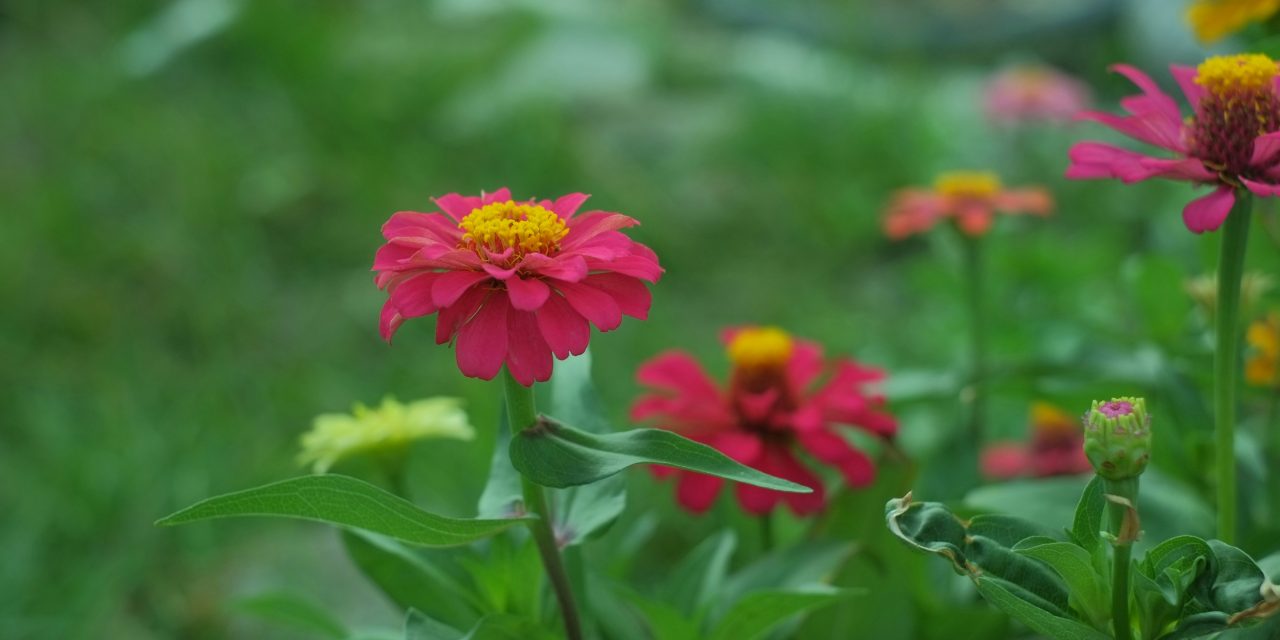
Zinnias are a popular choice among gardeners due to their vibrant colors, diverse forms, and resilience. When selecting zinnia varieties, it is essential to consider factors such as climate, garden space, and desired aesthetics. Zinnia elegans, commonly known as the common zinnia, is one of the most widely cultivated species, offering a plethora of cultivars ranging from dwarf to tall varieties. For instance, the ‘State Fair’ zinnia is renowned for its towering height and large blooms, making it an excellent choice for back borders or as a focal point in garden beds.
In contrast, if space is limited or if you prefer a more compact display, consider the ‘Thumbelina’ series. These dwarf zinnias grow to about 12 inches tall and are perfect for container gardening or small flower beds. Additionally, the ‘Zahara’ series is particularly noteworthy for its disease resistance and ability to thrive in hot, dry conditions. By selecting the right variety tailored to your specific garden conditions, you can ensure a flourishing display of color throughout the growing season.
Selecting Quality Seeds for Optimal Growth
The foundation of a successful zinnia garden lies in the quality of seeds chosen for planting. High-quality seeds are crucial for ensuring robust germination rates and healthy plant development. When purchasing seeds, opt for reputable suppliers who provide detailed information about the seed’s origin, germination rates, and any specific growing requirements. Look for seeds that are labeled as non-GMO and preferably organic to promote sustainable gardening practices.
Additionally, consider the seed packaging date; fresher seeds typically yield better results. Seeds that are older may have diminished viability, leading to poor germination rates. It is also advisable to check for any signs of damage or pests in the seed packets. Investing in quality seeds not only enhances the likelihood of successful growth but also contributes to the overall health and vibrancy of your zinnia plants.
Preparing the Soil for Zinnia Planting

Soil preparation is a critical step in cultivating healthy zinnias. These flowers thrive in well-draining soil that is rich in organic matter. Begin by testing your soil’s pH level; zinnias prefer a slightly acidic to neutral pH range of 6.0 to 7.0. If necessary, amend your soil with lime to raise pH or sulfur to lower it accordingly.
To enhance soil fertility, incorporate organic compost or well-rotted manure into the planting area. This not only improves nutrient content but also enhances soil structure and drainage capabilities. Additionally, ensure that the soil is loose and crumbly to facilitate root penetration and aeration. Removing any weeds or debris from the planting area will further promote healthy growth by reducing competition for nutrients and water.
When and Where to Sow Zinnia Seeds

Timing is crucial when it comes to sowing zinnia seeds. These annuals thrive in warm weather and should be sown after the last frost date in your region. Typically, this means planting zinnias in late spring or early summer when soil temperatures consistently reach around 70°F (21°C).
Choosing the right location for sowing is equally important. Zinnias require full sun exposure for at least six hours daily to produce vibrant blooms. Select a site that receives ample sunlight and has good air circulation to prevent fungal diseases. If you live in an area with intense heat, consider providing some afternoon shade to protect young seedlings from scorching temperatures.
How to Sow Zinnia Seeds Correctly
Sowing zinnia seeds correctly can significantly impact their growth and development. Begin by creating shallow furrows in the prepared soil, spaced according to the variety’s mature size—typically 12 to 18 inches apart for larger varieties and closer for dwarf types. Place seeds approximately 1/4 inch deep into the furrows and cover them lightly with soil.
After sowing, gently pat down the soil to ensure good seed-to-soil contact, which is essential for germination. Water the area lightly but thoroughly to moisten the soil without creating puddles. It is advisable to label your planting rows with variety names and sowing dates to keep track of your garden’s progress.
Watering Tips for Seed Germination
Proper watering techniques are vital during the germination phase of zinnia seeds. Initially, keep the soil consistently moist but not waterlogged; overwatering can lead to seed rot or fungal issues. A fine mist or gentle spray can help maintain moisture without displacing seeds.
Once seedlings emerge, gradually reduce watering frequency while ensuring that they receive adequate hydration during dry spells. A general rule of thumb is to provide about one inch of water per week, either through rainfall or supplemental irrigation. Monitoring soil moisture levels with your finger can help determine when additional watering is necessary.
Providing Ideal Light and Temperature Conditions
Zinnias flourish under optimal light and temperature conditions. As previously mentioned, these flowers require full sun exposure for at least six hours daily to achieve their full potential in terms of growth and flowering. If natural sunlight is limited in your garden, consider using reflective surfaces or strategically placing mirrors to enhance light availability.
Temperature plays a significant role in zinnia development as well; they thrive in warm conditions with daytime temperatures ranging from 70°F to 85°F (21°C to 29°C). If you live in an area with extreme heat, providing some shade during peak afternoon hours can help prevent stress on young plants. Conversely, if nighttime temperatures drop significantly, consider using row covers or cloches to protect seedlings from cold drafts.
Thinning Seedlings for Healthy Development
Thinning seedlings is an essential practice that promotes healthy growth among zinnias. Once seedlings have developed their first true leaves, assess their spacing and remove weaker plants to allow stronger ones room to grow. This process prevents overcrowding, which can lead to competition for nutrients and water.
When thinning, use scissors or garden shears to snip seedlings at the soil line rather than pulling them out by hand; this minimizes disturbance to neighboring plants’ root systems. Aim for spacing that allows each plant adequate airflow and sunlight exposure—typically 12 inches apart for larger varieties and closer for smaller ones.
Fertilizing Zinnias for Vibrant Blooms
To achieve vibrant blooms and lush foliage, fertilization plays a crucial role in zinnia care. Begin fertilizing approximately four weeks after sowing seeds or transplanting seedlings into the garden. A balanced fertilizer with equal parts nitrogen (N), phosphorus (P), and potassium (K) is ideal; look for formulations such as 10-10-10 or 14-14-14.
Apply fertilizer according to package instructions, ensuring even distribution around the base of each plant while avoiding direct contact with foliage. Additionally, consider using organic options such as fish emulsion or compost tea for a more sustainable approach. Regular fertilization every four to six weeks throughout the growing season will encourage continuous blooming and robust plant health.
Managing Pests and Diseases Naturally
Zinnias are generally resilient plants; however, they can be susceptible to various pests and diseases if not properly managed. Common pests include aphids, spider mites, and whiteflies, which can be controlled through natural methods such as introducing beneficial insects like ladybugs or using insecticidal soap sprays.
Fungal diseases such as powdery mildew can also affect zinnias, particularly in humid conditions. To prevent this issue, ensure proper air circulation by spacing plants adequately and avoiding overhead watering during late afternoons when foliage may remain damp overnight. If powdery mildew does occur, applying a mixture of baking soda and water can help mitigate its spread.
Deadheading and Caring for Mature Zinnia Plants
Deadheading is an essential maintenance practice that encourages continuous blooming in mature zinnia plants. By removing spent flowers before they set seed, you redirect energy back into producing new blooms rather than seed production. Use sharp scissors or pruning shears to snip off faded flowers just above the nearest leaf node.
In addition to deadheading, regular maintenance includes monitoring soil moisture levels and ensuring adequate fertilization throughout the growing season. As blooms fade towards the end of summer, consider cutting back plants slightly to promote a second flush of flowers in early fall.
In summary, cultivating zinnias requires careful consideration of variety selection, soil preparation, proper sowing techniques, and ongoing care throughout their growth cycle. By following these guidelines—ranging from choosing quality seeds to managing pests naturally—you can create a stunning display of colorful blooms that will enhance any garden space throughout the growing season.
FAQs
What is the best time to plant zinnia seeds?
Zinnia seeds can be planted outdoors after the last frost date in your area, typically in late spring. For earlier blooms, you can start seeds indoors 4-6 weeks before the last frost and then transplant them outside once the weather warms up.
How should I prepare the soil for growing zinnias?
Zinnias thrive in well-drained soil with a pH between 6.0 and 7.0. Before planting, loosen the soil to a depth of about 12 inches and mix in organic matter, such as compost, to improve fertility and drainage.
How often should I water zinnia seeds after planting?
After planting zinnia seeds, water them gently to keep the soil consistently moist but not soggy. Once the seedlings emerge, water them once a week, allowing the soil to dry slightly between waterings to prevent root rot.
What kind of sunlight do zinnias need to grow?
Zinnias require full sun to thrive, which means they need at least 6-8 hours of direct sunlight each day. Planting them in a sunny location will promote healthy growth and vibrant blooms.
How long does it take for zinnia seeds to germinate?
Zinnia seeds typically take about 7 to 14 days to germinate, depending on the temperature and moisture levels. Warmer temperatures can speed up the germination process, while cooler conditions may slow it down.