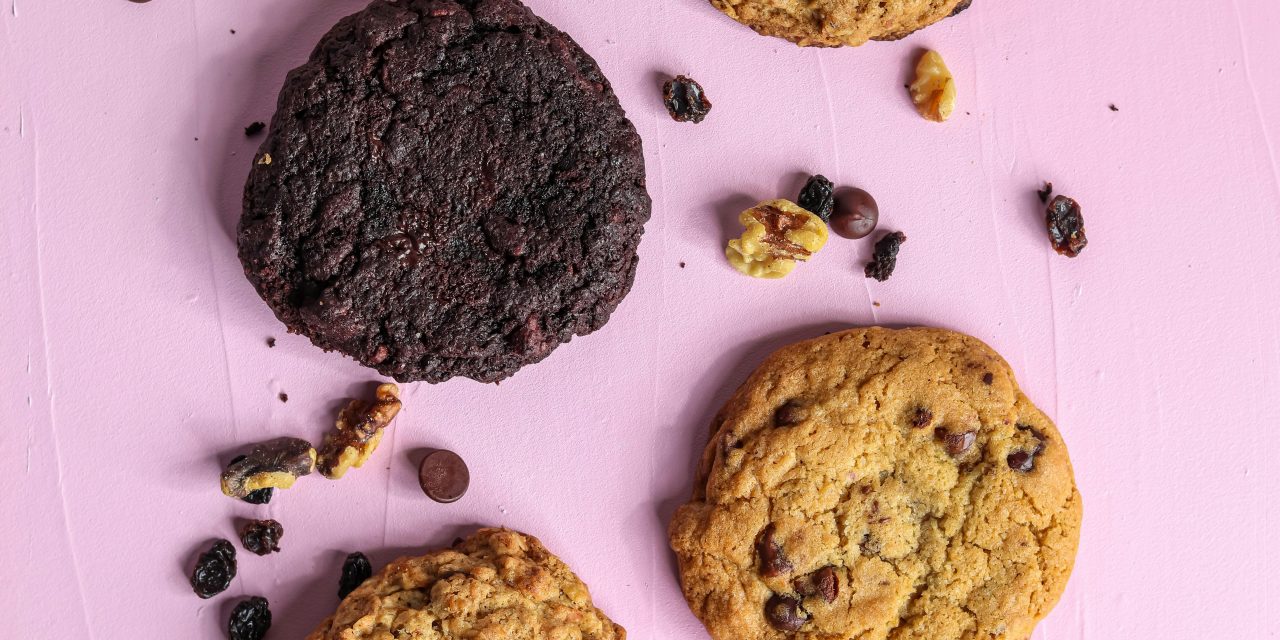
Cookie spread refers to the phenomenon where cookies expand and flatten during the baking process. This characteristic is crucial for achieving the desired texture and appearance of cookies. The degree of spread can significantly influence the final product, affecting not only the aesthetics but also the taste and mouthfeel. A cookie that spreads too much may become overly thin and crispy, while one that does not spread enough may remain thick and doughy. Understanding the factors that contribute to cookie spread is essential for bakers aiming to perfect their recipes.
The spread of cookies is influenced by a multitude of variables, including ingredient ratios, mixing techniques, and baking conditions. Each component plays a pivotal role in determining how a cookie behaves in the oven. For instance, the balance of fats, sugars, and leavening agents can either promote or inhibit spreading. By mastering these elements, bakers can achieve their desired cookie characteristics, whether they prefer a chewy chocolate chip cookie or a delicate sugar cookie.
The Role of Butter: How Fat Content Affects Spreading
Butter is a primary fat used in cookie recipes, and its composition significantly impacts the spread of cookies. The fat content in butter contributes to the overall texture and moisture level of the dough. When butter is creamed with sugar, it incorporates air, which helps create a light and tender cookie. However, if too much butter is used or if it is melted before mixing, it can lead to excessive spreading during baking.
The temperature of the butter also plays a critical role. Room temperature butter allows for better incorporation of air, leading to a more stable dough structure. Conversely, using cold butter can result in less spread, as it does not melt as quickly in the oven. Bakers should aim for a balance in fat content and temperature to achieve optimal cookie spread.
Sugar Types and Their Impact on Cookie Shape

The type of sugar used in cookie recipes can dramatically affect their shape and texture. Granulated sugar promotes a crispier cookie due to its ability to dissolve quickly and create a thin layer around the cookie as it bakes. In contrast, brown sugar contains molasses, which adds moisture and acidity, resulting in a chewier texture and less spread.
Additionally, the ratio of sugars can influence the final product. A higher proportion of brown sugar will yield a denser cookie with less spread, while an increase in granulated sugar will lead to a flatter cookie. Understanding these nuances allows bakers to tailor their recipes according to their desired outcomes.
Flour Measurement: Why Too Little Flour Can Cause Excessive Spread

Flour serves as the backbone of cookie dough, providing structure and stability. Accurate measurement is crucial; too little flour can lead to excessive spreading as there is insufficient gluten formation to hold the cookie’s shape. Gluten, formed when flour is mixed with liquid, provides elasticity and strength to the dough.
To ensure proper flour measurement, bakers should use the spoon-and-level method or weigh their flour for precision. A standard cup of all-purpose flour weighs approximately 120 grams. By adhering to these guidelines, bakers can prevent cookies from spreading excessively and achieve a more consistent texture.
The Importance of Chilling Dough Before Baking
Chilling cookie dough before baking is a critical step that many bakers overlook. Refrigeration solidifies the fats within the dough, which slows down the melting process during baking. This results in less spread and allows for better control over the final shape of the cookies.
Chilling also enhances flavor development as it allows the ingredients to meld together more thoroughly. A minimum chilling time of 30 minutes is recommended; however, longer periods can yield even better results. For optimal outcomes, bakers should consider chilling their dough overnight for maximum flavor and texture enhancement.
Oven Temperature: How Heat Influences Cookie Spread
Oven temperature is another vital factor that influences cookie spread. Baking at too low a temperature can cause cookies to spread excessively before they have a chance to set, resulting in flat and misshapen cookies. Conversely, baking at too high a temperature can lead to rapid browning on the outside while leaving the inside undercooked.
The ideal baking temperature for most cookies ranges between 350°F (175°C) and 375°F (190°C). Using an oven thermometer can help ensure accuracy, as many home ovens may not reflect true temperatures. By maintaining proper oven temperatures, bakers can achieve cookies that are evenly baked with desirable shapes.
Leavening Agents: Balancing Baking Soda and Baking Powder
Leavening agents such as baking soda and baking powder play crucial roles in cookie recipes by creating carbon dioxide gas that causes dough to rise. The balance between these agents is essential for achieving the desired spread and texture. Baking soda requires an acidic ingredient to activate its leavening properties, while baking powder contains both an acid and a base.
Using too much baking soda can lead to excessive spreading due to its strong leavening power, while insufficient leavening may result in dense cookies. Bakers should carefully measure these ingredients according to their recipes and consider adjusting them based on other components like sugar or fat content.
Cookie Sheet Material and Its Effect on Baking Results
The material of the cookie sheet can significantly impact baking results. Different materials conduct heat differently; for instance, aluminum sheets tend to heat evenly and promote even browning, while dark-colored pans absorb more heat and may cause cookies to brown too quickly.
Silicone baking mats provide a non-stick surface that can help prevent excessive spreading by providing some insulation from direct heat. Bakers should choose their baking sheets wisely based on their desired outcomes and adjust baking times accordingly.
Overmixing Dough: How It Can Lead to Flat Cookies
Overmixing cookie dough can lead to undesirable results by developing too much gluten, which affects the texture and spread of cookies. When flour is mixed excessively with wet ingredients, gluten strands become overly developed, resulting in tough cookies that do not spread properly.
To avoid overmixing, bakers should mix just until ingredients are combined and no dry flour remains visible. This technique ensures that cookies maintain a tender texture while achieving the desired spread during baking.
Adjusting Recipes for High Altitude Baking
Baking at high altitudes presents unique challenges due to lower atmospheric pressure, which affects how cookies rise and spread. At elevations above 3,000 feet (914 meters), adjustments are often necessary to achieve optimal results.
Bakers may need to increase flour content slightly or decrease sugar levels to counteract excessive spreading caused by rapid evaporation of moisture. Additionally, reducing leavening agents can help maintain structure in cookies at high altitudes. It is essential for bakers in these regions to experiment with their recipes for successful outcomes.
Practical Tips to Fix and Prevent Cookie Spreading Issues
To address common cookie spreading issues, bakers can implement several practical strategies:
1. **Measure Ingredients Accurately**: Use weighing scales for precise measurements.
2. **Chill Dough**: Refrigerate dough for at least 30 minutes before baking.
3. **Use Proper Oven Temperature**: Preheat ovens accurately using an oven thermometer.
4. **Select Appropriate Baking Sheets**: Choose materials that promote even heat distribution.
5. **Avoid Overmixing**: Mix just until combined to prevent gluten development.
6. **Experiment with Ingredients**: Adjust fat or sugar ratios based on desired outcomes.
7. **Consider High Altitude Adjustments**: Modify recipes accordingly if baking at elevation.
By following these tips, bakers can troubleshoot common issues related to cookie spreading and achieve consistently delightful results.
In summary, understanding cookie spread involves recognizing how various factors such as fat content, sugar types, flour measurement, chilling techniques, oven temperature, leavening agents, baking sheet materials, mixing methods, altitude adjustments, and practical tips all contribute to achieving perfect cookies. By mastering these elements, bakers can create delicious treats tailored to their preferences while avoiding common pitfalls associated with excessive spreading or undesirable textures.
FAQs
What causes cookies to spread too much during baking?
Cookies can spread too much due to several factors, including using too much butter or sugar, not chilling the dough, or using a baking sheet that is too warm. Additionally, if the flour measurement is incorrect or if the leavening agents are not balanced, it can lead to excessive spreading.
How does the temperature of the dough affect cookie spread?
The temperature of the dough plays a crucial role in how cookies spread. If the dough is too warm when placed in the oven, the butter will melt too quickly, causing the cookies to spread excessively. Chilling the dough for at least 30 minutes can help maintain its shape during baking.
Can the type of flour used impact cookie spread?
Yes, the type of flour can significantly impact cookie spread. All-purpose flour has a moderate protein content that provides structure, while cake flour has lower protein and can lead to more spreading. Using bread flour, which has a higher protein content, can help cookies maintain their shape better.
What role does baking soda or baking powder play in cookie spread?
Baking soda and baking powder are leavening agents that can affect the spread of cookies. Baking soda, which is alkaline, can cause cookies to spread more if not balanced with acidic ingredients. Conversely, using too much baking powder can create excess lift, leading to a puffier cookie that may also spread more than desired.
How can I fix cookies that spread too much?
To fix cookies that spread too much, you can try chilling the dough before baking, reducing the amount of butter or sugar, or adding a bit more flour to create a thicker consistency. Additionally, using parchment paper or a silicone baking mat can help prevent spreading on warm baking sheets.