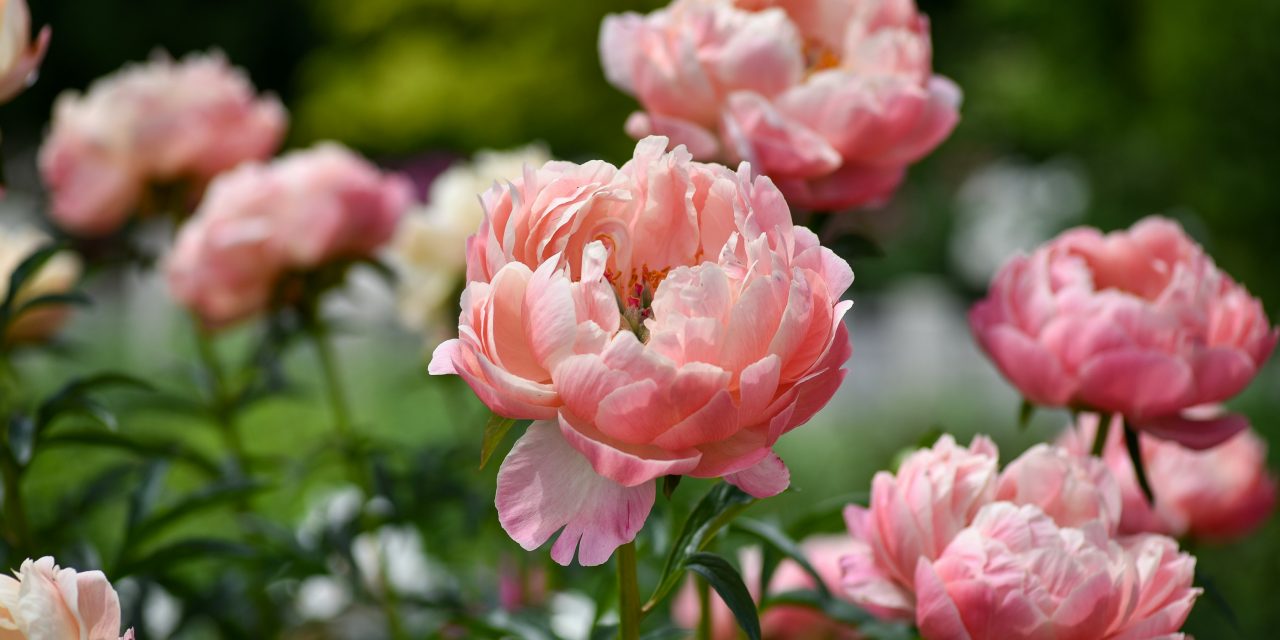
Peonies are perennial flowering plants renowned for their lush blooms and delightful fragrance. These herbaceous or woody shrubs belong to the genus Paeonia, which encompasses approximately 30 species and numerous hybrids. Peonies are celebrated for their large, often fragrant flowers that can range in color from soft pastels to vibrant hues. They typically bloom in late spring to early summer, depending on the variety and climate. Understanding the blooming cycle of peonies is crucial for gardeners aiming to cultivate these stunning plants successfully.
The blooming process of peonies is influenced by various environmental factors, including temperature, sunlight, and soil conditions. Peonies thrive in USDA hardiness zones 3 to 8, making them adaptable to a range of climates. However, achieving optimal blooming requires careful attention to their specific needs. Factors such as planting depth, soil quality, and exposure to sunlight play pivotal roles in determining whether these plants will flourish or falter. By comprehensively understanding these elements, gardeners can create an environment conducive to vibrant peony blooms.
Reason 1: Insufficient Sunlight Exposure
One of the primary reasons peonies fail to bloom is insufficient sunlight exposure. Peonies require a minimum of six hours of direct sunlight daily to produce robust flowers. When planted in shaded areas or locations that receive limited sunlight, these plants may exhibit stunted growth and reduced flowering potential. Insufficient light can lead to elongated stems and sparse foliage, ultimately compromising the plant’s overall health.
To remedy this issue, gardeners should assess the planting location and ensure that peonies receive adequate sunlight throughout the day. If necessary, consider relocating the plants to a sunnier spot or selectively pruning nearby trees or shrubs that may be casting shadows. By optimizing sunlight exposure, gardeners can significantly enhance the likelihood of abundant blooms.
Reason 2: Improper Planting Depth

Another critical factor influencing peony blooming is improper planting depth. Peonies should be planted at the correct depth to ensure optimal growth and flowering. Ideally, the eyes or buds of the peony tuber should be positioned one to two inches below the soil surface. Planting too deeply can hinder the plant’s ability to emerge and bloom, while planting too shallowly may expose the tuber to environmental stressors.
Gardeners should take care when planting peonies, ensuring that they are placed at the appropriate depth based on their specific variety. Additionally, it is essential to provide adequate spacing between plants to allow for proper air circulation and growth. By adhering to these guidelines, gardeners can promote healthy development and maximize blooming potential.
Reason 3: Poor Soil Drainage and Quality

Soil quality and drainage are paramount for peony health and blooming success. Peonies prefer well-draining soil rich in organic matter. Heavy clay or compacted soils can lead to waterlogged conditions, which may cause root rot and other detrimental issues. Conversely, sandy soils may drain too quickly, depriving the plants of essential moisture and nutrients.
To improve soil quality, gardeners should amend their planting area with organic matter such as compost or well-rotted manure. This not only enhances drainage but also enriches the soil with vital nutrients necessary for healthy growth. Conducting a soil test can provide valuable insights into pH levels and nutrient content, allowing for targeted amendments that promote optimal conditions for peony blooming.
Reason 4: Overcrowding and Lack of Air Circulation
Overcrowding is another common issue that can impede peony blooming. When plants are spaced too closely together, they compete for resources such as light, water, and nutrients. This competition can lead to reduced flowering and increased susceptibility to diseases due to poor air circulation. Adequate spacing allows for proper airflow around each plant, reducing humidity levels that can foster fungal infections.
To prevent overcrowding, gardeners should adhere to recommended spacing guidelines when planting peonies. Typically, a distance of 3 to 4 feet between plants is advisable to ensure ample room for growth and airflow. Regularly monitoring plant health and removing any overcrowded or unhealthy specimens can further enhance overall garden vitality.
Reason 5: Inadequate Fertilization Practices
Fertilization practices play a crucial role in promoting healthy peony blooms. While peonies are relatively low-maintenance plants, they still require essential nutrients for optimal growth and flowering. An inadequate supply of nitrogen, phosphorus, and potassium can lead to poor flowering performance and weak plant structure.
Gardeners should consider applying a balanced fertilizer formulated specifically for flowering plants during the growing season. A slow-release fertilizer can provide a steady supply of nutrients over time, supporting healthy growth and vibrant blooms. Additionally, incorporating organic fertilizers such as bone meal or fish emulsion can enhance soil fertility while promoting sustainable gardening practices.
Reason 6: Damage from Late Frosts or Extreme Weather
Late frosts or extreme weather conditions can significantly impact peony blooming potential. Peonies are sensitive to temperature fluctuations, and unexpected cold snaps can damage emerging buds or flowers. Similarly, excessive heat or drought conditions can stress the plants, leading to reduced flowering or even plant death.
To mitigate the effects of late frosts, gardeners should monitor local weather forecasts during the spring months when buds are emerging. Covering peonies with frost cloths or blankets during cold nights can provide protection against frost damage. Additionally, implementing proper watering practices during dry spells can help maintain plant health and resilience against extreme weather conditions.
Reason 7: Pest and Disease Interference
Pests and diseases pose significant threats to peony health and blooming success. Common pests such as aphids, thrips, and spider mites can weaken plants by feeding on their sap or foliage. Furthermore, diseases like powdery mildew or botrytis blight can compromise flower quality and overall plant vigor.
To combat pest infestations, gardeners should regularly inspect their plants for signs of trouble and implement integrated pest management strategies as needed. This may include introducing beneficial insects like ladybugs or using organic insecticidal soaps to control populations effectively. For disease prevention, ensuring proper air circulation through adequate spacing and pruning practices can help minimize humidity levels conducive to fungal growth.
How to Adjust Sunlight and Position for Better Blooms
To enhance peony blooming potential through improved sunlight exposure, gardeners should evaluate their planting locations carefully. If existing plants are not receiving sufficient light, consider relocating them to sunnier areas where they will benefit from direct sunlight for at least six hours daily. Additionally, removing any nearby obstructions that cast shadows can significantly improve light availability.
For those unable to relocate their peonies, strategic pruning of surrounding vegetation may suffice in increasing light penetration. Regularly monitoring plant health will also help identify any changes needed in positioning over time as surrounding flora matures or changes.
Correcting Soil and Fertilization for Optimal Growth
Improving soil quality is essential for promoting healthy peony growth and vibrant blooms. Gardeners should begin by conducting a soil test to assess pH levels and nutrient content accurately. Based on test results, amendments such as compost or organic fertilizers can be added to enhance soil structure and fertility.
In terms of fertilization practices, applying a balanced fertilizer formulated for flowering plants during the growing season is crucial. A slow-release option ensures that nutrients are available over an extended period while minimizing the risk of nutrient leaching during heavy rains.
Pruning, Pest Control, and Seasonal Care Tips to Encourage Flowering
Pruning plays a vital role in maintaining healthy peony plants and encouraging abundant blooms. Gardeners should remove any dead or damaged foliage in early spring before new growth emerges. Additionally, cutting back spent flowers after blooming helps redirect energy toward root development rather than seed production.
Implementing effective pest control measures is equally important for promoting healthy blooms. Regular inspections for pests should be conducted throughout the growing season, with appropriate interventions taken as needed based on observed populations.
Seasonal care tips include ensuring adequate watering during dry spells while avoiding waterlogged conditions that could lead to root rot. Mulching around the base of plants helps retain moisture while suppressing weeds that compete for resources.
In summary, understanding the various factors influencing peony blooming is essential for successful cultivation. By addressing issues such as insufficient sunlight exposure, improper planting depth, poor soil drainage, overcrowding, inadequate fertilization practices, damage from extreme weather conditions, and pest interference, gardeners can create an environment conducive to vibrant blooms. Implementing strategies for adjusting sunlight exposure, correcting soil quality, and practicing seasonal care will further enhance the likelihood of flourishing peony plants in any garden setting.
FAQs
Why are my peonies not blooming?
Peonies may not bloom due to several factors, including insufficient sunlight, improper planting depth, or nutrient deficiencies. They typically require at least 6 hours of direct sunlight daily to thrive and produce flowers.
How deep should peonies be planted?
Peonies should be planted with their eyes (buds) no more than 1-2 inches below the soil surface. If planted too deep, they may struggle to bloom, as the buds may not receive enough sunlight and warmth.
What type of soil do peonies prefer?
Peonies thrive in well-drained, loamy soil that is rich in organic matter. Soil that is too heavy or retains too much moisture can lead to root rot and hinder blooming.
Can peonies take too much water?
Yes, peonies do not tolerate overly wet conditions. Excessive watering or poor drainage can lead to root rot, which can prevent blooming. It’s essential to ensure that the soil drains well and does not remain soggy.
When is the best time to fertilize peonies?
The best time to fertilize peonies is in early spring, just as new growth begins. Using a balanced fertilizer can help promote healthy growth and blooming. Avoid fertilizing in late summer or fall, as this can encourage new growth that may not survive winter.