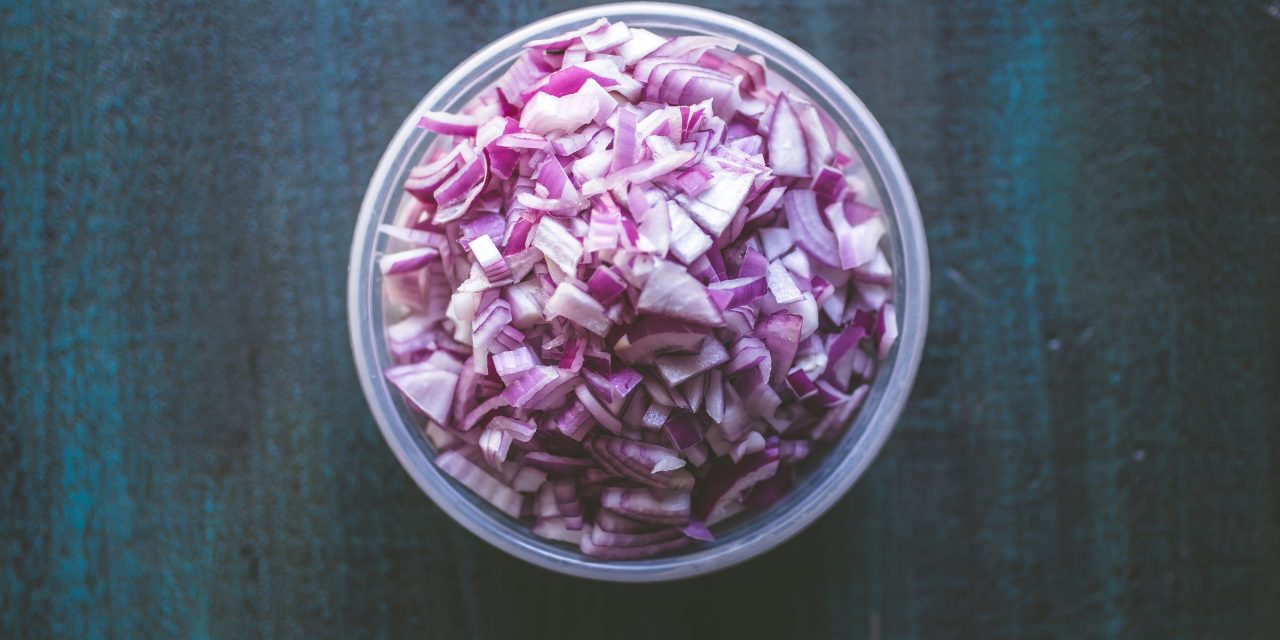
Dicing onions is a fundamental skill in culinary arts, serving as a cornerstone for countless recipes across various cuisines. The ability to efficiently and uniformly dice onions not only enhances the aesthetic appeal of dishes but also ensures even cooking and flavor distribution. Onions, rich in flavor and nutrients, are often the base for soups, stews, sauces, and salads. Mastering the technique of dicing can significantly elevate one’s cooking prowess, allowing for a more enjoyable and efficient cooking experience.
Moreover, the efficiency of dicing onions can save valuable time in the kitchen, particularly during meal prep for large gatherings or busy weeknights. Understanding the nuances of onion selection, preparation, and cutting techniques can transform a daunting task into a seamless process. This article will delve into the intricacies of dicing onions, providing a comprehensive guide that encompasses everything from selecting the right onion to effective storage methods for diced pieces.
Selecting the Right Onion for Dicing
Choosing the appropriate onion variety is crucial for achieving the desired flavor profile in your dishes. Common types include yellow, white, and red onions, each possessing unique characteristics. Yellow onions are versatile and ideal for caramelizing due to their balanced sweetness and pungency. White onions have a sharper flavor and are often preferred in Mexican cuisine, while red onions offer a milder taste and vibrant color, making them perfect for salads and garnishes.
When selecting onions, look for firm bulbs with smooth, dry skins. Avoid any that exhibit soft spots or signs of sprouting, as these indicate age and potential spoilage. The size of the onion can also impact your dicing process; larger onions may yield more diced pieces but can be cumbersome to handle. Conversely, smaller onions may require more effort to achieve the same volume. Ultimately, the choice of onion should align with your culinary goals and personal taste preferences.
Preparing Your Workspace and Tools

An organized workspace is essential for efficient dicing. Begin by clearing your countertop of any clutter to create a safe and functional environment. Ensure that you have all necessary tools within reach: a sharp chef’s knife, a sturdy cutting board, and a bowl for collecting diced onions. A sharp knife is paramount; it reduces the risk of injury and allows for cleaner cuts, which is vital for achieving uniformity in size.
Additionally, consider using a non-slip cutting board to enhance stability while cutting. Some cooks prefer to use a damp paper towel or a silicone mat underneath their cutting board to prevent it from sliding during use. Having a clean kitchen towel nearby can also be beneficial for wiping hands or cleaning up any spills that may occur during the dicing process.
How to Properly Peel an Onion

Peeling an onion may seem straightforward, yet it requires a systematic approach to ensure efficiency and minimize waste. Begin by trimming off both ends of the onion—this includes the root end and the stem end—using your chef’s knife. This step not only makes peeling easier but also helps stabilize the onion during subsequent cuts.
Next, place the onion on its flat side to prevent rolling while you peel. Carefully slice through the outer skin with your knife, removing only the papery layers without taking away too much of the flesh beneath. Once the outer skin is removed, you may find additional layers that are slightly damaged or discolored; these should also be discarded to ensure that only fresh onion is used in your cooking.
Mastering the Claw Grip for Safety
Safety is paramount when handling sharp knives in the kitchen. One effective technique to enhance safety while dicing onions is mastering the claw grip. This grip involves curling your fingers inward while holding the onion, creating a protective barrier between your fingertips and the blade of the knife.
To execute this grip effectively, position your non-dominant hand on top of the onion with fingers curled under and knuckles facing outward. This positioning allows you to guide the knife while keeping your fingertips safe from accidental cuts. Practicing this grip will not only improve your cutting speed but also instill confidence in your knife skills.
Step-by-Step Guide to Slicing the Onion in Half
Once you have peeled the onion and established a secure grip, it’s time to slice it in half. Place the onion on its flat side for stability and position your knife at the center of the bulb. Apply even pressure as you slice downwards through the root end to create two equal halves.
After slicing, you may notice that one half has a more pronounced root end than the other; this is normal and can be trimmed further if desired. With both halves now available, you can proceed to make horizontal cuts that will facilitate even dicing in subsequent steps.
Making Horizontal Cuts for Even Dicing
To achieve uniform diced pieces, making horizontal cuts is essential. Begin with one half of the onion placed flat on your cutting board. Using your chef’s knife, make several horizontal cuts parallel to the cutting board, ensuring that you do not cut all the way through to the root end; this will help keep the layers intact during subsequent cuts.
The number of horizontal cuts will depend on how finely you wish to dice your onion; typically, two to three cuts will suffice for medium-sized dice. Once completed, repeat this process with the other half of the onion. This technique lays the groundwork for creating evenly sized cubes in the next steps.
Creating Vertical Cuts to Form Onion Cubes
With horizontal cuts made, it’s time to create vertical cuts that will transform your onion into cubes. Position one half of the onion back on its flat side after completing horizontal cuts. Starting from one end, make vertical slices downwards towards the cutting board at equal intervals.
The spacing between each cut will determine the size of your diced pieces; closer cuts yield smaller cubes while wider cuts produce larger ones. Continue slicing until you reach the root end, then repeat this process with the other half of the onion. The combination of horizontal and vertical cuts will result in perfectly diced onion pieces ready for incorporation into your dishes.
Tips for Speeding Up the Dicing Process
Efficiency in dicing onions can be enhanced through several practical tips and techniques. First and foremost, ensure that your knife is sharp; a dull blade requires more force and can slow down your cutting speed significantly. Additionally, practice makes perfect; frequent practice will improve muscle memory and speed over time.
Another useful tip is to batch process multiple onions at once if your recipe calls for them. By peeling and dicing several onions in succession, you can streamline your workflow and minimize cleanup time afterward. Finally, consider using a food processor equipped with a dicing attachment if you find yourself frequently needing large quantities of diced onions; this tool can drastically reduce preparation time.
How to Handle Tears and Eye Irritation
One common challenge when dicing onions is dealing with tears caused by their sulfur compounds released during cutting. To mitigate this irritation, several strategies can be employed. First, chilling onions in the refrigerator for about 30 minutes before cutting can reduce their pungency and lessen tear production.
Another effective method is to cut onions under running water or near a fan; both approaches help disperse sulfur compounds before they reach your eyes. Wearing goggles specifically designed for cooking can also provide protection against irritation while maintaining visibility during preparation.
Cleaning Up and Storing Your Diced Onions Safely
After dicing onions, proper cleanup and storage are essential to maintain freshness and prevent contamination. Begin by transferring diced onions into an airtight container if they are not being used immediately; this helps preserve their flavor and prevents them from absorbing odors from other foods in your refrigerator.
If you have leftover diced onions, they can typically be stored in an airtight container in the refrigerator for up to seven days. For longer storage options, consider freezing diced onions in freezer-safe bags or containers; they can last up to six months when properly stored. Always label containers with dates to ensure freshness.
In conclusion, mastering the art of dicing onions efficiently is an invaluable skill that enhances culinary endeavors while saving time in meal preparation. By selecting appropriate onion varieties, preparing an organized workspace, employing proper cutting techniques, and implementing safety measures, cooks can elevate their kitchen experience significantly. With practice and adherence to these guidelines, anyone can become proficient at dicing onions like a professional chef.
FAQs
What tools do I need to dice an onion quickly and safely?
To dice an onion quickly and safely, you will need a sharp chef’s knife, a cutting board, and optionally, a pair of kitchen gloves to prevent your hands from smelling like onion. A stable cutting board is essential to ensure safety while cutting.
What is the best technique for cutting an onion?
The best technique for cutting an onion involves first cutting off the top and leaving the root end intact. Then, slice the onion in half from top to bottom. Peel off the skin, place the onion cut-side down, and make horizontal and vertical cuts before finally slicing across to create diced pieces.
How can I prevent crying while dicing onions?
To prevent crying while dicing onions, you can chill the onion in the refrigerator for about 30 minutes before cutting, use a sharp knife to minimize cell damage, or cut the onion under running water or near a fan to disperse the irritating gases released during cutting.
Is there a specific way to hold the onion while dicing?
Yes, when dicing an onion, hold it firmly with your non-dominant hand, using a claw grip to keep your fingers curled under and away from the knife. This grip provides stability and protects your fingers from accidental cuts.
Can I use a food processor to dice onions?
Yes, you can use a food processor to dice onions quickly. Simply cut the onion into quarters, place them in the food processor, and pulse until you reach the desired size. However, be cautious not to over-process, as this can turn the onion into a puree instead of diced pieces.