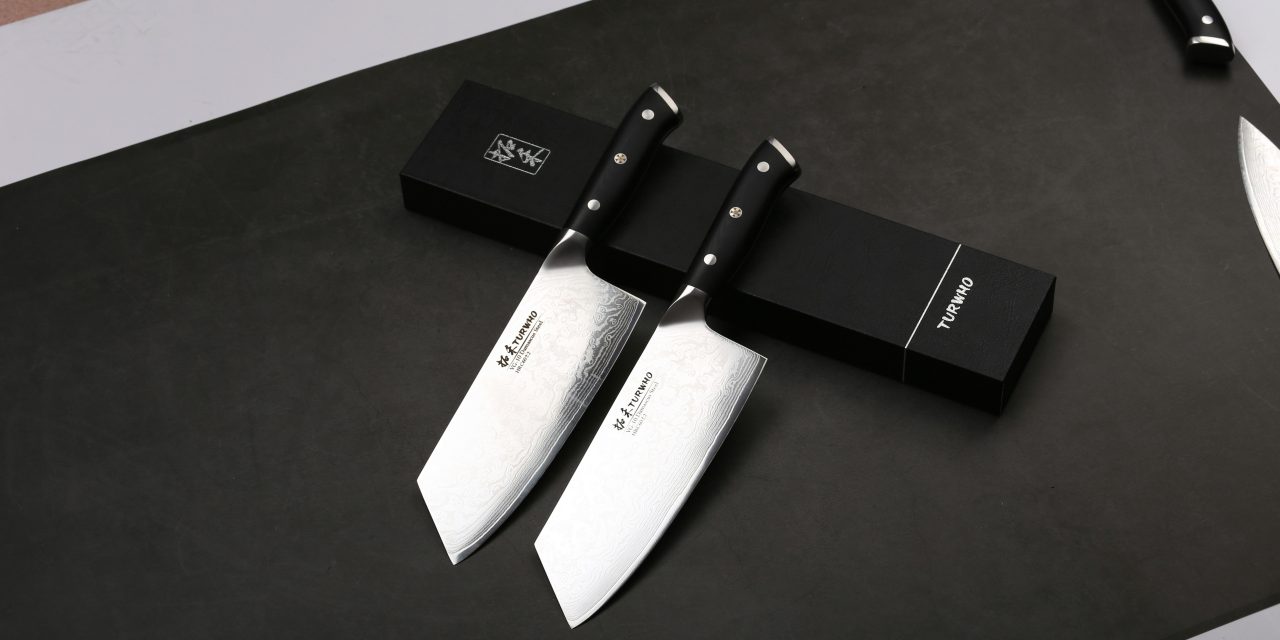
Sharp kitchen knives are essential tools in any culinary environment, whether it be a professional kitchen or a home setting. The significance of maintaining sharp blades cannot be overstated, as they directly influence the efficiency and safety of food preparation. A sharp knife allows for precise cuts, which not only enhances the presentation of dishes but also ensures uniform cooking. Moreover, using a dull knife can lead to accidents; the increased force required to cut through food can result in slips and unintended injuries.
In addition to safety and efficiency, sharp knives contribute to the overall quality of food. When slicing through ingredients, a sharp blade minimizes cell damage, preserving the integrity of fruits and vegetables. This is particularly important for delicate items such as herbs and tomatoes, where a clean cut prevents bruising and oxidation. Furthermore, sharp knives facilitate better control during intricate tasks such as julienning or chiffonading, allowing chefs to execute their culinary vision with precision.
Identifying When Your Knives Need Sharpening
Recognizing the signs that your knives require sharpening is crucial for maintaining their performance. One of the most apparent indicators is the difficulty experienced while cutting through food. If you find yourself applying excessive pressure or struggling to slice through even soft items like ripe tomatoes or cooked meats, it’s time to assess your blades. Additionally, if you notice that your knife is producing ragged edges rather than clean cuts, this is a clear signal that sharpening is necessary.
Another method to evaluate the sharpness of your knife is the paper test. Simply take a piece of paper and attempt to slice through it with your knife. A sharp blade will glide effortlessly through the paper, while a dull one will tear or struggle to make a clean cut. Regularly checking your knives for these signs can help ensure they remain in optimal condition, ready for any culinary challenge.
Choosing the Right Sharpening Tools for Home Use

Selecting appropriate sharpening tools is vital for achieving optimal results when maintaining your kitchen knives. There are several options available, each with its own advantages and disadvantages. Whetstones are among the most popular choices due to their versatility and effectiveness. They come in various grits, allowing users to sharpen and refine edges according to their specific needs. For those who prefer a more straightforward approach, manual sharpeners offer ease of use and quick results.
Electric sharpeners are another option that provides convenience and speed, making them ideal for busy kitchens. However, they may not offer the same level of control as whetstones or manual sharpeners. When choosing a sharpening tool, consider factors such as the type of knives you own, your level of experience, and how much time you are willing to invest in the sharpening process. Investing in high-quality sharpening tools can significantly enhance your knife maintenance routine.
Preparing Your Workspace Safely

Creating a safe workspace is paramount when sharpening knives at home. Begin by selecting a stable surface that is free from clutter and distractions. A clean countertop or cutting board works well for this purpose. Ensure that you have adequate lighting to clearly see the blade’s edge during the sharpening process. Additionally, wearing cut-resistant gloves can provide an extra layer of protection against accidental slips.
It’s also essential to keep your sharpening tools organized and within reach. Having everything you need at hand will minimize movement and reduce the risk of accidents. If using a whetstone, dampen it with water or oil as required; this not only helps with the sharpening process but also prevents the stone from slipping during use. By taking these precautions, you can create an efficient and safe environment for maintaining your kitchen knives.
Step-by-Step Guide to Using a Whetstone
Using a whetstone effectively requires attention to detail and practice. Begin by selecting the appropriate grit for your knife; coarser grits (around 200-600) are suitable for repairing damaged edges, while finer grits (1000-3000) are ideal for honing and polishing. Once you have chosen your stone, soak it in water for about 10-15 minutes if it’s a water stone; this will help lubricate the surface during sharpening.
Position the whetstone on a non-slip surface with the coarse side facing up. Hold the knife at a 15-20 degree angle against the stone’s edge. Starting at the heel of the blade, apply gentle pressure as you slide the knife towards you in a sweeping motion, maintaining the angle throughout the stroke. Repeat this process several times on one side before switching to the other side of the blade. After achieving a sharp edge, flip the stone to its finer grit side and repeat the process to refine and polish the edge further.
How to Sharpen Knives with a Manual Sharpener
Manual sharpeners are user-friendly tools designed for quick and efficient sharpening. To begin, ensure that your manual sharpener is clean and free from debris. Place it on a stable surface and hold it firmly with one hand while gripping the knife with the other. Insert the blade into the designated slot at the base of the sharpener.
Gently pull the knife through the slot while applying light pressure; this action should be smooth and controlled to avoid damaging the blade. Repeat this process several times on each side of the knife until you achieve your desired sharpness. Many manual sharpeners come with multiple slots for different levels of sharpening; start with a coarse slot if your knife is particularly dull before moving on to finer slots for honing.
Using an Electric Knife Sharpener: Tips and Tricks
Electric knife sharpeners offer convenience and speed but require careful handling to avoid damaging your blades. Before using an electric sharpener, ensure that it is plugged in and positioned on a stable surface away from any clutter. Familiarize yourself with the manufacturer’s instructions regarding specific settings for different types of knives.
To sharpen your knife, insert it into the designated slot according to its angle specifications—most electric sharpeners have guides that help maintain proper alignment. Gently pull the knife through the slot while allowing the machine to do most of the work; excessive force can lead to uneven sharpening or blade damage. After completing several passes through each slot, check for sharpness by performing a simple paper test or slicing through soft produce.
Understanding the distinction between honing and sharpening is crucial for effective knife maintenance. Sharpening refers to removing material from the blade’s edge to create a new sharp edge; this process typically involves tools like whetstones or sharpeners that grind away metal from the blade’s surface. It is necessary when knives become dull due to regular use.
On the other hand, honing is a technique used to realign the blade’s edge without removing significant material. This process involves using a honing rod or steel to straighten any microscopic bends or misalignments that occur during cutting tasks. Regular honing can prolong the time between sharpening sessions, ensuring that your knives remain effective without excessive wear on their edges.
Maintaining Your Knives After Sharpening
Proper maintenance after sharpening is essential for preserving your knives’ performance and longevity. After sharpening, clean your knives thoroughly with warm soapy water to remove any metal shavings or debris that may have accumulated during the process. Dry them immediately with a soft cloth to prevent rusting or corrosion.
Storing your knives correctly is equally important; avoid tossing them into drawers where they can become dull or damaged by contact with other utensils. Instead, consider using magnetic strips, knife blocks, or sheaths designed specifically for knife storage. Regularly inspect your knives for signs of wear or damage, addressing any issues promptly to maintain their functionality.
Common Mistakes to Avoid When Sharpening Knives at Home
Several common pitfalls can hinder effective knife sharpening at home. One frequent mistake is using excessive force during sharpening; applying too much pressure can lead to uneven edges or damage to both the blade and sharpening tool. Instead, focus on maintaining consistent angles and gentle strokes throughout the process.
Another common error is neglecting to choose appropriate sharpening tools based on knife type; using an unsuitable tool can result in poor outcomes or even ruin high-quality blades. Additionally, failing to clean knives after sharpening can lead to corrosion over time due to residual metal particles left on their surfaces. By being mindful of these mistakes, you can enhance your knife maintenance routine significantly.
How Often Should You Sharpen Your Kitchen Knives?
The frequency with which you should sharpen your kitchen knives depends on several factors, including usage patterns and knife quality. For home cooks who use their knives regularly—such as daily meal preparation—sharpening every few months may be sufficient if proper honing techniques are employed in between sessions. Conversely, professional chefs who rely heavily on their knives may need to sharpen them weekly or even daily.
Observing signs of dullness is key; if you notice difficulty in cutting or uneven slices, it’s time to sharpen regardless of schedule. Additionally, consider factors such as knife material—high-carbon stainless steel blades may require more frequent maintenance than ceramic ones due to their susceptibility to dulling over time.
In summary, maintaining sharp kitchen knives is crucial for safety, efficiency, and food quality in culinary practices. Recognizing when knives need sharpening involves assessing performance indicators such as cutting ease and edge integrity. Choosing appropriate sharpening tools tailored to individual needs enhances effectiveness while ensuring safety during use requires careful workspace preparation.
Utilizing techniques like whetstones or manual sharpeners allows users to achieve desired sharpness levels effectively while understanding honing versus sharpening helps prolong blade life between sessions. Proper post-sharpening maintenance ensures longevity while avoiding common mistakes enhances overall outcomes—ultimately leading to optimal kitchen performance over time.
FAQs
What tools do I need to sharpen kitchen knives at home?
To sharpen kitchen knives at home, you can use several tools including a whetstone, honing rod, electric knife sharpener, or a manual knife sharpener. Each tool has its own method and effectiveness, so choose one that suits your skill level and the type of knives you have.
How often should I sharpen my kitchen knives?
The frequency of sharpening kitchen knives depends on usage. For home cooks, sharpening every few months is generally sufficient. However, if you use your knives daily or for heavy-duty tasks, you may need to sharpen them every few weeks. Regular honing can help maintain the edge between sharpenings.
What is the difference between sharpening and honing a knife?
Sharpening a knife involves removing material from the blade to create a new edge, while honing realigns the existing edge without removing material. Honing is typically done more frequently to maintain sharpness, while sharpening is done when the knife becomes dull.
Can I use a regular sharpening stone for all types of knives?
Not all sharpening stones are suitable for every type of knife. Some stones are designed for specific blade materials, such as ceramic or stainless steel. It’s important to choose a stone that matches the type of knife you are sharpening to avoid damaging the blade.
What safety precautions should I take while sharpening knives?
When sharpening knives, always ensure you have a stable surface and use a non-slip mat or towel to prevent the knife from slipping. Keep your fingers away from the blade’s edge and always sharpen away from your body. Additionally, ensure that the knife is securely held to avoid accidents.