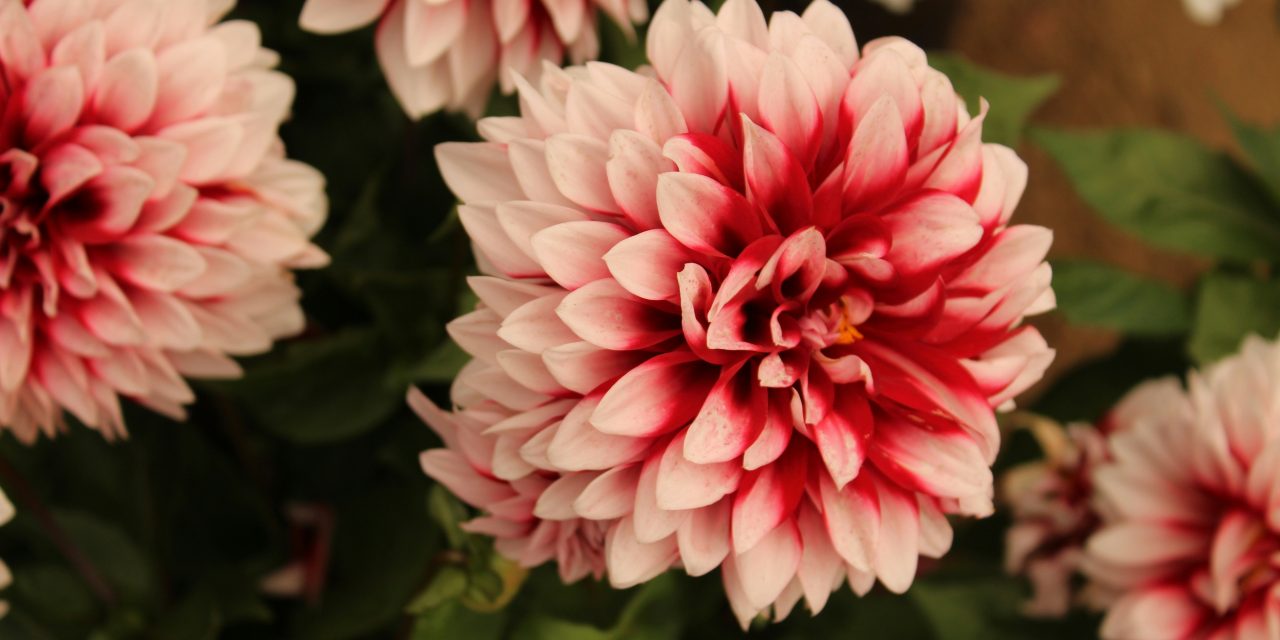
Dahlia tubers are the underground storage organs of the dahlia plant, a perennial flowering species belonging to the Asteraceae family. These tubers serve as reservoirs of nutrients and energy, enabling the plant to thrive and produce stunning blooms in a variety of colors and forms. Originating from Mexico, dahlias have gained immense popularity among gardeners due to their diverse range of flower shapes, sizes, and hues. The tubers themselves are typically knobby and irregularly shaped, resembling small potatoes, and can vary significantly in size depending on the cultivar.
The cultivation of dahlias from tubers is a rewarding endeavor, as these plants can produce flowers from mid-summer until the first frost. Understanding the biology of dahlia tubers is crucial for successful gardening. Each tuber contains “eyes,” which are growth points that will sprout into new shoots when conditions are favorable. Proper care and handling of these tubers can lead to a flourishing garden filled with vibrant blooms, making them a favorite among both novice and experienced gardeners alike.
The Ideal Climate for Planting Dahlia Tubers
Dahlias thrive in temperate climates characterized by warm summers and well-defined growing seasons. They prefer full sun exposure, requiring at least six to eight hours of direct sunlight daily to achieve optimal growth and flowering. The ideal temperature range for planting dahlia tubers is between 60°F to 70°F (15°C to 21°C). In regions with cooler climates, it is essential to wait until the danger of frost has passed before planting, as dahlias are sensitive to cold temperatures.
Humidity levels also play a significant role in the health of dahlia plants. Moderate humidity is beneficial, but excessive moisture can lead to fungal diseases such as powdery mildew. Therefore, selecting a planting location with good air circulation is vital. Additionally, well-drained soil is crucial for preventing tuber rot, which can occur in overly saturated conditions. Understanding these climatic requirements will help ensure that your dahlia plants flourish throughout the growing season.
When to Start Preparing Your Garden Bed

Preparation of the garden bed for planting dahlia tubers should ideally begin several weeks before the anticipated planting date. This preparation phase is critical for establishing a healthy growing environment. Begin by selecting a location that receives ample sunlight and has well-draining soil. Clear the area of any weeds, debris, or old plant material that could harbor pests or diseases.
Soil testing is an essential step in this preparation process. Conducting a soil test will provide valuable information regarding pH levels and nutrient content. Dahlias prefer slightly acidic to neutral soil with a pH range of 6.0 to 7.0. If necessary, amend the soil with organic matter such as compost or well-rotted manure to enhance fertility and improve drainage. Tilling the soil to a depth of at least 12 inches will also help aerate it and promote healthy root development.
How Soil Temperature Affects Dahlia Growth

Soil temperature is a critical factor influencing the germination and growth of dahlia tubers. The ideal soil temperature for planting dahlias is around 65°F (18°C). At this temperature, the tubers will begin to sprout within two to three weeks after planting. If the soil temperature is too low, typically below 50°F (10°C), tubers may remain dormant and fail to grow, leading to delayed blooming or even tuber rot.
To monitor soil temperature effectively, gardeners can use a soil thermometer inserted into the ground at a depth of about four inches. This measurement will provide an accurate reading of the soil’s warmth. If temperatures are not conducive for planting, consider starting tubers indoors in pots or trays until conditions improve. This method allows for earlier growth while ensuring that the plants are ready for transplanting once the soil warms up sufficiently.
Signs That Indicate the Right Time to Plant
Several indicators can help determine when it is appropriate to plant dahlia tubers in your garden. One of the most reliable signs is the last frost date in your area. It is essential to wait until all danger of frost has passed, as young shoots are particularly vulnerable to cold temperatures. Local gardening resources or extension services can provide information on average frost dates specific to your region.
In addition to frost dates, observing soil temperature is crucial. As mentioned earlier, soil temperatures should ideally be around 65°F (18°C) for optimal growth. Another sign to look for is the emergence of spring blooms from other plants in your garden; this often indicates that conditions are becoming favorable for planting dahlias as well. Lastly, monitoring weather forecasts for consistent warm temperatures can also guide your decision on when to plant.
Pre-Planting Care: Soaking and Inspecting Tubers
Before planting dahlia tubers, it is essential to inspect them carefully for any signs of damage or disease. Healthy tubers should be firm and free from soft spots or mold. If any tubers appear compromised, it is advisable to discard them to prevent potential issues in your garden.
Soaking tubers prior to planting can enhance their chances of successful growth. Submerge them in water for approximately 30 minutes to an hour before planting; this process helps hydrate the tubers and encourages sprouting. After soaking, allow them to dry briefly before placing them in the ground. This pre-planting care ensures that your dahlias have a strong start and are better equipped to establish themselves in their new environment.
Step-by-Step Guide to Planting Dahlia Tubers in Spring
Planting dahlia tubers involves several straightforward steps that ensure successful establishment and growth:
1. **Choose Your Location**: Select a sunny spot with well-draining soil.
2. **Prepare the Soil**: Amend with compost or organic matter as needed.
3. **Dig Holes**: Create holes approximately 6-8 inches deep and spaced 18-24 inches apart.
4. **Place Tubers**: Position each tuber horizontally with the “eyes” facing upward.
5. **Cover with Soil**: Gently fill in the holes with soil, ensuring that tubers are adequately covered.
6. **Water Thoroughly**: After planting, water the area well to settle the soil around the tubers.
7. **Mulch**: Apply a layer of mulch around the planted area to retain moisture and suppress weeds.
Following these steps will help ensure that your dahlia tubers are planted correctly and have the best chance for vigorous growth.
Tips for Spacing and Depth for Optimal Growth
Proper spacing and planting depth are crucial factors that influence the overall health and productivity of dahlia plants. When planting tubers, maintain a spacing of 18-24 inches between each tuber; this distance allows adequate airflow and prevents overcrowding, which can lead to disease issues.
In terms of depth, aim for a planting depth of approximately 6-8 inches. This depth provides sufficient coverage while allowing room for root development and shoot emergence. If you live in an area with particularly heavy soils or high moisture levels, consider planting slightly shallower—around 4-6 inches—to reduce the risk of rot.
Watering and Fertilizing After Planting
Once dahlia tubers have been planted, proper watering practices are essential for promoting healthy growth. Initially, water thoroughly after planting to ensure that moisture reaches the tubers; thereafter, maintain consistent moisture levels without over-saturating the soil. A general rule of thumb is to water deeply once or twice a week, depending on rainfall and temperature conditions.
Fertilization plays a vital role in supporting robust growth and vibrant blooms. After the initial watering, apply a balanced fertilizer with an N-P-K ratio of 10-10-10 or similar formulation approximately four weeks after planting. This application will provide essential nutrients during the early growth phase when dahlias require energy for leaf development and flowering.
Protecting Young Dahlia Shoots from Late Frosts
Late frosts pose a significant threat to young dahlia shoots, which can be severely damaged by cold temperatures. To protect emerging plants from frost damage, consider using row covers or cloches during nights when frost is forecasted. These protective coverings create a microclimate that retains warmth around the plants.
Additionally, mulching around young shoots can provide insulation against sudden temperature drops while also helping retain soil moisture. If frost threatens your area unexpectedly, be prepared to cover your dahlias promptly; this proactive approach can save your plants from potential harm.
Monitoring Growth and Encouraging Vibrant Blooms
As dahlias grow throughout the season, regular monitoring is essential for ensuring their health and vitality. Keep an eye out for signs of pests or diseases such as aphids or powdery mildew; early detection allows for timely intervention using organic pesticides or fungicides as needed.
Encouraging vibrant blooms involves proper deadheading—removing spent flowers—to promote continuous flowering throughout the season. Additionally, providing support structures such as stakes or cages can help prevent taller varieties from toppling over due to wind or heavy blooms.
In summary, cultivating dahlias from tubers requires careful attention to various factors including climate conditions, soil preparation, planting techniques, and ongoing care throughout their growth cycle. By following these guidelines and implementing best practices, gardeners can enjoy an abundance of stunning dahlia blooms that enhance their outdoor spaces throughout the summer months.
FAQs
When is the best time to plant dahlia tubers in spring?
The best time to plant dahlia tubers in spring is typically after the last frost date for your area. This usually falls between mid-April and late May, depending on your climate zone. It’s important to wait until the soil temperature reaches at least 60°F (15°C) for optimal growth.
How deep should dahlia tubers be planted?
Dahlia tubers should be planted about 4 to 6 inches deep in well-draining soil. This depth helps protect the tubers from frost while allowing enough space for the plants to grow and develop strong roots.
Do dahlia tubers need to be soaked before planting?
Soaking dahlia tubers before planting is not necessary, but some gardeners choose to soak them for a few hours to help kickstart the growth process. If you do soak them, ensure they are dried thoroughly before planting to prevent rot.
What type of soil is best for planting dahlia tubers?
Dahlias thrive in well-draining, loamy soil that is rich in organic matter. A pH level between 6.0 and 7.0 is ideal. Adding compost or well-rotted manure can improve soil fertility and drainage, promoting healthy growth.
How much sunlight do dahlia plants need?
Dahlia plants require full sun for optimal growth, which means they should receive at least 6 to 8 hours of direct sunlight each day. Adequate sunlight helps the plants produce vibrant blooms and strong stems.