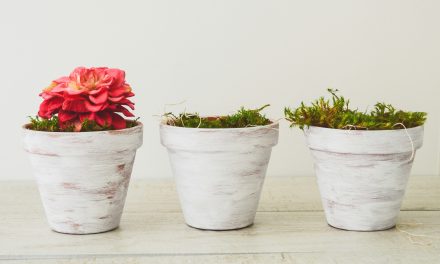
Selecting an appropriate container is crucial for the successful cultivation of bell peppers. The ideal container should be at least 5 gallons in size, allowing ample space for root development. Containers made from materials such as plastic, ceramic, or fabric are excellent choices, as they provide insulation and retain moisture effectively. Additionally, ensure that the container has adequate drainage holes to prevent waterlogging, which can lead to root rot and other complications.
When considering aesthetics and functionality, opt for containers that are lightweight yet durable. This allows for easy movement and repositioning to optimize sunlight exposure. Furthermore, consider using self-watering containers, which can help maintain consistent moisture levels, reducing the frequency of watering and ensuring that your bell peppers receive the hydration they need without the risk of overwatering.
Selecting the Best Bell Pepper Varieties for Containers
Choosing the right bell pepper variety is essential for container gardening success. Some varieties are specifically bred for compact growth, making them ideal for limited spaces. Varieties such as ‘Mini Bell’ or ‘Sweet Chocolate’ are excellent choices due to their smaller stature and high yield potential. These compact varieties typically reach a height of 12 to 18 inches, making them manageable in container settings.
In addition to size, consider the flavor profile and color of the bell peppers you wish to grow. Varieties like ‘California Wonder’ and ‘King of the North’ are popular for their robust flavor and vibrant colors. When selecting seeds or seedlings, ensure they are disease-resistant and well-suited to your local climate conditions. This will enhance your chances of a successful harvest while minimizing the risk of crop failure.
Using High-Quality Potting Soil
The foundation of any successful container garden lies in the quality of potting soil used. High-quality potting mixes are specifically formulated to provide optimal drainage, aeration, and nutrient retention. Look for a mix that contains organic matter such as peat moss or coconut coir, which helps retain moisture while allowing excess water to drain away.
Incorporating additional amendments such as perlite or vermiculite can further enhance soil structure, promoting healthy root growth. It is also advisable to avoid using garden soil in containers, as it can become compacted and hinder drainage. Instead, invest in a premium potting mix designed for vegetables to ensure your bell peppers thrive in their container environment.
Ensuring Proper Drainage in Your Container
Proper drainage is paramount when growing bell peppers in containers. Without adequate drainage, excess water can accumulate at the bottom of the container, leading to root rot and other detrimental conditions. To ensure effective drainage, start by placing a layer of gravel or small stones at the bottom of the container before adding potting soil. This layer acts as a barrier, preventing soil from clogging drainage holes.
Additionally, regularly check the drainage holes for blockages and ensure they remain clear. If you notice water pooling on the surface after watering, it may indicate that the soil is too compacted or that drainage holes are obstructed. Adjusting your watering practices and amending the soil can help maintain optimal drainage conditions.
Providing Adequate Sunlight for Optimal Growth
Bell peppers thrive in full sunlight, requiring at least 6 to 8 hours of direct sunlight daily for optimal growth and fruit production. When positioning your containers, choose a location that receives ample sunlight throughout the day. If natural sunlight is limited, consider using grow lights to supplement light exposure, especially during shorter days or cloudy weather.
Monitoring your plants for signs of inadequate sunlight is essential. If you notice leggy growth or pale leaves, it may indicate insufficient light levels. In such cases, relocating your containers to a sunnier spot or adjusting your lighting setup can help rectify these issues and promote healthier growth.
Watering Techniques for Container Bell Peppers
Watering techniques play a vital role in the health of container-grown bell peppers. Consistency is key; these plants prefer evenly moist soil without becoming waterlogged. A general rule of thumb is to water when the top inch of soil feels dry to the touch. This ensures that roots receive adequate moisture while preventing overwatering.
Consider implementing a drip irrigation system or self-watering containers to maintain consistent moisture levels. These methods reduce the risk of fluctuating moisture conditions that can stress plants. Additionally, mulching around the base of your plants can help retain soil moisture and regulate temperature fluctuations.
Fertilizing Your Bell Peppers Effectively
Fertilization is essential for promoting vigorous growth and maximizing fruit yield in bell peppers. Start with a balanced fertilizer that contains equal parts nitrogen (N), phosphorus (P), and potassium (K). As plants mature and begin to flower, switch to a fertilizer higher in phosphorus to encourage blooming and fruit set.
Regularly monitor your plants for signs of nutrient deficiencies, such as yellowing leaves or stunted growth. Adjust your fertilization schedule accordingly, typically applying fertilizer every 4-6 weeks during the growing season. Organic options like compost tea or fish emulsion can also provide essential nutrients while enhancing soil health.
Managing Temperature and Humidity Levels
Bell peppers thrive in warm temperatures, ideally between 70°F and 85°F (21°C – 29°C). Extreme temperature fluctuations can hinder growth and fruit production. If temperatures drop below 60°F (15°C) at night or exceed 90°F (32°C) during the day, consider using row covers or shade cloths to protect your plants from stress.
Humidity levels also play a significant role in plant health. Bell peppers prefer moderate humidity levels between 40% and 70%. If humidity is too low, consider misting your plants or placing a humidity tray filled with water near your containers to increase moisture levels in the air.
Pruning and Supporting Your Pepper Plants
Pruning is an essential practice for maintaining healthy bell pepper plants and promoting better air circulation. Regularly remove any yellowing or damaged leaves to redirect energy toward healthy growth and fruit production. Additionally, pinching off the tips of young plants can encourage bushier growth and increase yield potential.
Supporting your pepper plants may also be necessary as they grow taller and begin to bear fruit. Using stakes or cages can help prevent branches from breaking under the weight of developing peppers. Ensure that supports are securely anchored in the soil to provide stability throughout the growing season.
Preventing and Treating Common Pests and Diseases
Container-grown bell peppers are susceptible to various pests and diseases that can compromise plant health. Common pests include aphids, spider mites, and whiteflies. Regularly inspect your plants for signs of infestation, such as discolored leaves or visible insects. Implementing integrated pest management strategies—such as introducing beneficial insects like ladybugs—can help control pest populations naturally.
Diseases such as powdery mildew or bacterial leaf spot can also affect bell pepper plants. To prevent these issues, ensure proper air circulation around your plants by spacing them adequately and avoiding overhead watering. If disease symptoms appear, promptly remove affected leaves and apply appropriate fungicides or bactericides as needed.
Harvesting Bell Peppers at the Right Time
Timing is crucial when it comes to harvesting bell peppers for optimal flavor and texture. Generally, bell peppers are ready for harvest when they reach full size and exhibit vibrant color—typically green, yellow, orange, or red depending on the variety. For best flavor, harvest peppers when they are still firm but have developed their characteristic color.
Use sharp scissors or pruning shears to cut peppers from the plant rather than pulling them off, which can damage both the fruit and plant structure. Regular harvesting encourages continued fruit production throughout the growing season.
In summary, successful container gardening of bell peppers requires careful attention to various factors including container selection, soil quality, sunlight exposure, watering techniques, fertilization practices, temperature management, pruning methods, pest control strategies, and timely harvesting. By following these guidelines diligently, gardeners can enjoy a bountiful harvest of delicious bell peppers throughout the growing season.
FAQs
What type of container is best for growing bell peppers?
For growing bell peppers, a container that is at least 5 gallons in size is recommended. It should have drainage holes to prevent waterlogging. Materials like plastic, ceramic, or fabric pots work well, as they retain moisture while allowing for proper drainage.
How much sunlight do bell peppers need when grown in containers?
Bell peppers require full sun, which means they need at least 6 to 8 hours of direct sunlight each day. Position your containers in a location that receives ample sunlight to ensure healthy growth and fruit production.
What type of soil should I use for growing bell peppers in containers?
A high-quality potting mix that is well-draining is ideal for growing bell peppers in containers. Look for a mix that contains organic matter, such as compost or peat moss, to provide essential nutrients and improve moisture retention.
How often should I water bell peppers in containers?
Bell peppers in containers should be watered regularly, typically every 2 to 3 days, depending on the weather and soil moisture. It’s important to keep the soil consistently moist but not soggy. Check the top inch of soil; if it feels dry, it’s time to water.
When should I fertilize my bell peppers in containers?
Fertilize bell peppers every 4 to 6 weeks during the growing season with a balanced fertilizer, such as a 10-10-10 or a fertilizer specifically formulated for vegetables. This will help provide the necessary nutrients for healthy growth and fruit development.