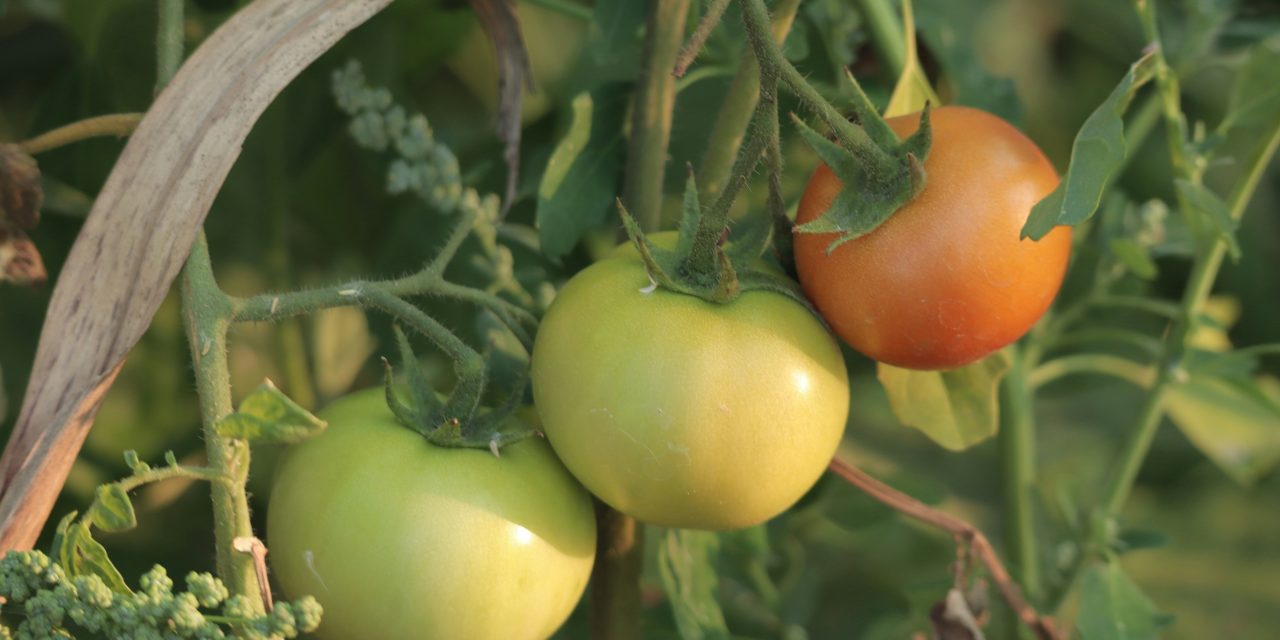
Blossom End Rot (BER) is a physiological disorder that primarily affects tomatoes, characterized by the development of dark, sunken lesions at the blossom end of the fruit. This condition is not a disease caused by pathogens but rather a symptom of calcium deficiency, often exacerbated by inconsistent watering practices. The disorder typically manifests when the plant experiences stress, leading to an inadequate uptake of calcium from the soil. As a result, the affected fruits become unmarketable, leading to significant economic losses for growers.
The onset of Blossom End Rot can be attributed to several factors, including fluctuations in soil moisture, nutrient imbalances, and environmental stressors. When plants undergo rapid growth spurts, they may demand more calcium than the soil can supply. Additionally, high nitrogen levels can promote excessive vegetative growth at the expense of fruit development, further compounding the issue. Understanding these underlying causes is crucial for effective prevention and management strategies.
Choosing the Right Tomato Varieties Resistant to Blossom End Rot
Selecting tomato varieties that exhibit resistance to Blossom End Rot can significantly mitigate the risk of this disorder. Certain cultivars have been bred specifically for their resilience against physiological stresses, including calcium deficiency. For instance, varieties such as ‘Celebrity,’ ‘Better Boy,’ and ‘Roma’ are known for their robust growth and reduced susceptibility to BER.
When choosing tomato varieties, it is essential to consider not only their resistance to Blossom End Rot but also their adaptability to local growing conditions. Factors such as climate, soil type, and disease prevalence should influence selection. Consulting local agricultural extension services or experienced gardeners can provide valuable insights into which varieties thrive in specific regions.
Maintaining Consistent Soil Moisture Levels

One of the most critical factors in preventing Blossom End Rot is maintaining consistent soil moisture levels. Fluctuations in moisture can lead to stress responses in plants, hindering their ability to absorb calcium effectively. Implementing a regular watering schedule is essential for ensuring that the soil remains evenly moist without becoming waterlogged.
To achieve optimal moisture levels, consider using drip irrigation systems or soaker hoses that deliver water directly to the root zone. This method minimizes evaporation and ensures that water penetrates deeply into the soil. Additionally, monitoring soil moisture with a moisture meter can help determine when to water, allowing for more precise irrigation practices.
Properly Testing and Adjusting Soil pH and Nutrient Levels

Soil pH and nutrient levels play a pivotal role in plant health and nutrient uptake. The ideal pH range for tomatoes is between 6.0 and 6.8; deviations from this range can hinder calcium availability. Conducting a comprehensive soil test is essential for assessing pH levels and identifying nutrient deficiencies or excesses.
If soil pH is found to be outside the optimal range, amendments such as lime can be added to raise pH, while sulfur can lower it. Furthermore, ensuring balanced nutrient levels is crucial; excessive nitrogen can lead to lush foliage but poor fruit development. A well-rounded fertilization strategy that includes micronutrients will support overall plant health and reduce the risk of Blossom End Rot.
The Importance of Calcium and How to Ensure Adequate Supply
Calcium is an essential macronutrient that plays a vital role in cell wall structure and stability in plants. Its deficiency leads to weakened cell walls, resulting in the characteristic symptoms of Blossom End Rot. To ensure an adequate supply of calcium, it is crucial to incorporate calcium-rich amendments into the soil before planting.
Common sources of calcium include agricultural lime, gypsum, and crushed eggshells. These amendments not only provide calcium but also improve soil structure and drainage. Additionally, foliar applications of calcium chloride or calcium nitrate can be employed during critical growth stages to enhance calcium availability directly to the plant.
Mulching Techniques to Retain Soil Moisture and Temperature
Mulching is an effective technique for conserving soil moisture and regulating temperature around tomato plants. Organic mulches such as straw, wood chips, or grass clippings help retain moisture by reducing evaporation from the soil surface. Furthermore, mulching moderates soil temperature fluctuations, creating a more stable environment for root development.
When applying mulch, it is essential to maintain a thickness of 2-4 inches around the base of the plants while avoiding direct contact with stems to prevent rot. Regularly replenishing mulch as it decomposes will ensure continued benefits throughout the growing season.
Avoiding Over-Fertilization with Nitrogen
While nitrogen is crucial for plant growth, excessive application can lead to imbalanced nutrient uptake and increased susceptibility to Blossom End Rot. Over-fertilization with nitrogen promotes lush foliage growth at the expense of fruit development, resulting in inadequate calcium absorption.
To avoid over-fertilization, it is advisable to follow soil test recommendations and use slow-release fertilizers that provide nutrients gradually over time. Additionally, incorporating organic fertilizers such as compost or well-rotted manure can supply nitrogen in a more balanced manner while enhancing overall soil health.
Using Organic Matter to Improve Soil Structure and Water Retention
Incorporating organic matter into the soil is an effective strategy for improving soil structure and enhancing water retention capabilities. Organic matter increases soil aeration and drainage while promoting beneficial microbial activity that aids in nutrient cycling.
Compost, well-rotted manure, and cover crops are excellent sources of organic matter that can be integrated into garden beds before planting tomatoes. This practice not only improves soil fertility but also enhances its ability to retain moisture, reducing the risk of stress-related disorders like Blossom End Rot.
Implementing Proper Watering Practices for Healthy Tomatoes
Effective watering practices are paramount for cultivating healthy tomato plants and preventing Blossom End Rot. Consistency is key; watering deeply and infrequently encourages deep root growth while minimizing surface evaporation.
A general guideline is to provide approximately 1-2 inches of water per week, adjusting based on rainfall and temperature conditions. Early morning watering is preferable as it allows plants to absorb moisture before the heat of the day sets in. Additionally, avoiding overhead watering can reduce humidity around foliage and minimize disease risks.
Monitoring and Managing Environmental Stress Factors
Environmental stressors such as extreme temperatures, drought conditions, or pest infestations can exacerbate the risk of Blossom End Rot in tomatoes. Regular monitoring of weather conditions and plant health is essential for early detection of stress factors.
Implementing protective measures such as shade cloth during extreme heat or windbreaks in windy areas can help mitigate environmental stressors. Additionally, maintaining healthy plants through proper nutrition and pest management will enhance their resilience against adverse conditions.
Regular Inspection and Early Intervention to Prevent Spread
Regular inspection of tomato plants is crucial for identifying early signs of Blossom End Rot or other physiological disorders. By closely monitoring fruit development and overall plant health, growers can intervene promptly if symptoms arise.
If Blossom End Rot is detected on some fruits, immediate removal of affected tomatoes can prevent further spread within the plant. Additionally, addressing underlying issues such as nutrient deficiencies or inconsistent watering practices will help restore plant health and prevent recurrence.
In conclusion, Blossom End Rot poses a significant challenge for tomato growers but can be effectively managed through a combination of preventive measures and timely interventions. By understanding its causes and implementing best practices in variety selection, soil management, watering techniques, and environmental monitoring, growers can cultivate healthy tomato plants that yield high-quality fruit free from this disorder.
FAQ Section:
1. What are the primary symptoms of Blossom End Rot?
– The primary symptom is a dark, sunken lesion at the blossom end of the fruit.
2. Can Blossom End Rot affect other crops besides tomatoes?
– Yes, it can also affect peppers, eggplants, and cucumbers under similar conditions.
3. How often should I water my tomato plants?
– Aim for 1-2 inches of water per week, adjusting based on rainfall and temperature.
4. What soil pH level is ideal for growing tomatoes?
– The ideal pH range for tomatoes is between 6.0 and 6.8.
5. How can I test my soil for nutrient levels?
– Soil testing kits are available at garden centers or through local agricultural extension services.
6. What types of mulch are best for tomatoes?
– Organic mulches such as straw or wood chips are effective for retaining moisture.
7. How does nitrogen affect Blossom End Rot?
– Excessive nitrogen promotes foliage growth over fruit development, leading to calcium deficiency.
8. Can I use foliar sprays to prevent Blossom End Rot?
– Yes, foliar applications of calcium chloride or calcium nitrate can enhance calcium availability.
9. What should I do if I notice signs of Blossom End Rot?
– Remove affected fruits immediately and assess your watering and nutrient management practices.
10. Are there any resistant tomato varieties I should consider?
– Varieties like ‘Celebrity,’ ‘Better Boy,’ and ‘Roma’ are known for their resistance to Blossom End Rot.
In summary, understanding Blossom End Rot’s causes and implementing effective management strategies are essential for successful tomato cultivation. By focusing on consistent moisture levels, proper nutrient management, and environmental monitoring, growers can significantly reduce the incidence of this disorder while ensuring healthy fruit production.
FAQs
What causes blossom end rot in tomatoes?
Blossom end rot is primarily caused by a calcium deficiency in the developing fruit. This deficiency can occur due to inconsistent watering, poor soil conditions, or excessive nitrogen fertilization, which can hinder calcium uptake by the plant.
How can I ensure my tomatoes get enough calcium?
To ensure adequate calcium levels, you can amend your soil with lime or gypsum before planting. Additionally, using calcium-rich fertilizers and maintaining a balanced nutrient regimen can help prevent deficiencies.
What watering practices can help prevent blossom end rot?
Consistent watering is crucial for preventing blossom end rot. Aim to water your tomato plants deeply and regularly, ensuring the soil remains evenly moist but not waterlogged. Mulching can also help retain soil moisture and reduce fluctuations.
Are there specific tomato varieties that are more prone to blossom end rot?
While all tomato varieties can potentially experience blossom end rot, some heirloom varieties are reported to be more susceptible. Generally, hybrid varieties tend to be bred for better disease resistance and may have a lower incidence of this issue.
Can I treat blossom end rot once it occurs?
Once blossom end rot appears, it cannot be reversed on the affected fruit. However, you can prevent further occurrences by addressing the underlying causes, such as improving soil calcium levels and ensuring consistent watering practices.