Selecting the appropriate cucumber variety is paramount for successful trellising. Cucumbers are categorized into two primary types: slicing and pickling. Slicing cucumbers, such as ‘Marketmore 76’ and ‘English Hothouse,’ are typically longer and have a smooth skin, making them ideal for fresh consumption. On the other hand, pickling varieties like ‘Boston Pickling’ and ‘National Pickling’ are shorter and have a thicker skin, perfect for preservation. When trellising, it is advisable to choose varieties that exhibit vigorous growth and a climbing habit, as these will benefit from vertical space and improve air circulation around the plants.
In addition to growth habits, consider disease resistance when selecting cucumber varieties. Some cultivars are bred specifically to resist common cucumber diseases such as powdery mildew and downy mildew. For instance, ‘Diva’ is known for its resistance to these ailments while producing high yields of crisp, flavorful cucumbers. Furthermore, hybrid varieties often offer enhanced traits such as earlier maturity and increased productivity. Therefore, researching and selecting the right cucumber variety tailored to your growing conditions will significantly impact your overall success in trellising.
Selecting the Ideal Location and Soil Preparation
The location of your cucumber trellis is crucial for optimal growth. Cucumbers thrive in full sun, requiring at least six to eight hours of direct sunlight daily. When choosing a site, ensure it is sheltered from strong winds that could damage the delicate vines. Additionally, consider proximity to a water source for easy irrigation. The soil should be well-draining and rich in organic matter, as cucumbers prefer loamy soil with a pH level between 6.0 and 6.8.
Soil preparation is an essential step in creating a conducive environment for cucumber growth. Begin by testing the soil to determine its nutrient content and pH level. Amend the soil with compost or well-rotted manure to enhance fertility and improve structure. Incorporating organic matter not only provides essential nutrients but also promotes beneficial microbial activity in the soil. Tilling the soil to a depth of at least 12 inches will help aerate it and facilitate root development. Additionally, consider adding a balanced fertilizer before planting to ensure that your cucumbers have access to the necessary nutrients from the outset.
Building or Buying a Suitable Trellis Structure
A sturdy trellis structure is vital for supporting cucumber vines as they grow vertically. There are various designs available, including A-frame, vertical, and horizontal trellises. A-frame trellises are particularly effective for small garden spaces, allowing for easy access to both sides of the plants while maximizing vertical growth. Vertical trellises can be constructed using wooden stakes or metal fencing, providing ample support for climbing vines.
When constructing a trellis, ensure it is at least 5 to 6 feet tall to accommodate the growth of cucumber plants. The materials used should be durable and weather-resistant; options include treated wood, PVC pipes, or galvanized wire. If purchasing a pre-made trellis, look for one specifically designed for cucumbers or climbing plants, ensuring it has adequate spacing between supports to allow for vine expansion. Properly securing the trellis in place will prevent it from collapsing under the weight of mature cucumber plants.
Starting Seeds Indoors or Directly Sowing Outdoors
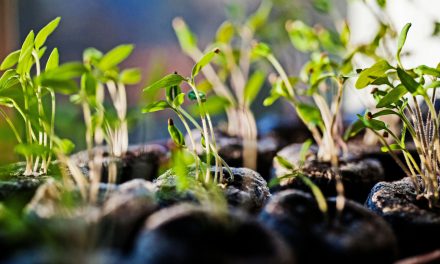
Cucumbers can be started indoors or directly sown outdoors, depending on your climate and growing season length. If starting seeds indoors, begin approximately 3-4 weeks before the last expected frost date. Use biodegradable seed trays filled with seed-starting mix to promote healthy root development. Maintain consistent moisture levels and provide adequate warmth (around 70-85°F) for optimal germination.
For those opting to sow seeds directly outdoors, wait until the soil temperature reaches at least 65°F to ensure successful germination. Plant seeds about 1 inch deep and spaced approximately 12 inches apart in rows that are 3 feet apart. This spacing allows for adequate airflow and sunlight penetration as the plants mature. Regardless of the method chosen, ensure that seedlings receive sufficient light and warmth during their early growth stages to promote robust development.
Transplanting Seedlings to the Garden Bed
Once seedlings have developed two to three true leaves and outdoor conditions are favorable, it’s time to transplant them into the garden bed. Begin by hardening off seedlings by gradually exposing them to outdoor conditions over a week-long period. This process helps acclimate young plants to their new environment, reducing transplant shock.
When transplanting, select a cloudy day or late afternoon to minimize stress on the plants. Dig holes in the prepared garden bed that are slightly larger than the root ball of each seedling. Carefully remove seedlings from their trays, taking care not to damage the roots, and place them in the holes at the same depth they were growing previously. Water thoroughly after transplanting to help settle the soil around the roots and encourage establishment.
Training Cucumber Vines to Climb the Trellis
Training cucumber vines to climb their designated trellis is essential for maximizing space and promoting healthy growth. As seedlings begin to grow, gently guide them towards the trellis by securing them with soft ties or twine. It is important not to constrict their growth; therefore, use materials that won’t damage the stems.
As vines grow taller, continue to train them by wrapping them around the trellis supports or gently tying them if necessary. Regularly check on their progress and adjust ties as needed to ensure they remain securely attached without hindering their natural growth patterns. This practice not only encourages vertical growth but also improves air circulation around the plants, reducing the risk of fungal diseases.
Providing Proper Watering and Mulching Techniques
Cucumbers require consistent moisture levels for optimal growth; therefore, establishing an effective watering regimen is crucial. Aim to provide approximately 1-2 inches of water per week, either through rainfall or supplemental irrigation. Drip irrigation systems are particularly beneficial as they deliver water directly to the root zone while minimizing evaporation.
Mulching around cucumber plants can significantly enhance moisture retention in the soil while suppressing weed growth. Organic mulches such as straw or shredded leaves are excellent choices as they decompose over time, enriching the soil with nutrients. Apply a layer of mulch approximately 2-3 inches thick around the base of each plant while avoiding direct contact with stems to prevent rot.
Fertilizing for Optimal Growth and Yield
Fertilization plays a critical role in ensuring cucumbers achieve optimal growth and yield potential. Begin with a balanced fertilizer at planting time, such as a 10-10-10 NPK formulation, which provides essential nutrients: nitrogen (N) for leafy growth, phosphorus (P) for root development, and potassium (K) for overall plant health.
As cucumbers enter their flowering stage, consider switching to a fertilizer higher in potassium and phosphorus to promote fruit set and development. Liquid fertilizers can be applied every few weeks during the growing season for quick nutrient uptake by plants. Always follow manufacturer recommendations regarding application rates and timing to avoid over-fertilization, which can lead to excessive foliage growth at the expense of fruit production.
Monitoring for Pests and Diseases
Regular monitoring for pests and diseases is essential in maintaining healthy cucumber plants throughout their growing season. Common pests include aphids, cucumber beetles, and spider mites; these can cause significant damage if left unchecked. Implementing integrated pest management (IPM) strategies can help mitigate infestations while minimizing chemical use.
Encourage beneficial insects such as ladybugs and lacewings by planting companion flowers nearby; these predators will help control pest populations naturally. Additionally, inspect plants regularly for signs of disease such as yellowing leaves or wilting stems; early detection allows for prompt intervention using organic fungicides or insecticidal soaps when necessary.
Harvesting Cucumbers at the Right Time
Timing is crucial when it comes to harvesting cucumbers for peak flavor and texture. Generally, cucumbers should be harvested when they reach about 6-8 inches in length for slicing varieties; pickling varieties can be harvested when they are smaller—around 3-5 inches long. Regular harvesting encourages continued fruit production throughout the growing season.
To harvest cucumbers, use sharp garden shears or scissors to cut them from the vine rather than pulling them off; this prevents damage to both the fruit and plant structure. Cucumbers are best consumed fresh but can also be stored in a cool place or refrigerated for short-term preservation.
Tips for Maintaining Your Trellis and Extending the Growing Season
Maintaining your trellis structure is essential for ensuring its longevity and effectiveness throughout the growing season. Regularly inspect for any signs of wear or damage; replace any broken components promptly to avoid compromising support for your cucumber vines.
To extend your growing season, consider using row covers during cooler nights or early spring planting; this will help retain heat around your plants while protecting them from pests. Additionally, stagger planting dates by sowing seeds every few weeks; this practice allows you to enjoy fresh cucumbers over an extended period rather than all at once.
In summary, successfully growing cucumbers on a trellis involves careful planning from selecting appropriate varieties to maintaining optimal growing conditions throughout their lifecycle. By following these guidelines—ranging from site selection and soil preparation to pest management—you can cultivate healthy cucumber plants that yield abundant harvests while maximizing space in your garden.
FAQs
What type of trellis is best for growing cucumbers?
The best type of trellis for growing cucumbers is a vertical trellis made of sturdy materials such as wood, metal, or plastic. A simple A-frame or a flat panel trellis can work well, as they provide ample support for the vines and allow for good air circulation and sunlight exposure.
When should I plant cucumbers for trellising?
Cucumbers should be planted after the last frost date in your area, typically in late spring when soil temperatures reach at least 60°F (15°C). This ensures optimal growth and reduces the risk of frost damage to young plants.
How do I train cucumber vines to grow on a trellis?
To train cucumber vines to grow on a trellis, gently guide the young vines towards the trellis as they grow. You can use soft ties or garden twine to secure the stems to the trellis if needed. Regularly check the plants and reposition them as necessary to encourage upward growth.
What are the benefits of growing cucumbers on a trellis?
Growing cucumbers on a trellis offers several benefits, including improved air circulation, reduced risk of disease, easier access for harvesting, and better sunlight exposure. Additionally, trellising can save space in the garden, allowing for more efficient use of the growing area.
How often should I water cucumbers grown on a trellis?
Cucumbers grown on a trellis should be watered consistently, aiming for about 1 to 1.5 inches of water per week. It’s important to keep the soil evenly moist, especially during dry spells, but avoid overwatering to prevent root rot. Mulching can help retain soil moisture.