Sunlight is a critical component for the photosynthesis process in plants, particularly for fruit-bearing species like tomatoes. Insufficient sunlight exposure can lead to stunted growth, poor flowering, and ultimately, a reduced yield. Tomatoes require a minimum of six to eight hours of direct sunlight daily to thrive. When deprived of adequate light, plants may exhibit elongated stems and sparse foliage as they stretch toward available light sources. This phenomenon, known as etiolation, can severely compromise the plant’s overall health and productivity.
To mitigate the effects of insufficient sunlight, gardeners should consider strategic placement of their tomato plants. Selecting a location that receives ample sunlight throughout the day is paramount. If natural sunlight is limited, supplemental lighting options such as grow lights can be employed to ensure that plants receive the necessary light spectrum for optimal growth. Additionally, regular monitoring of surrounding vegetation is essential; taller plants or structures may cast shadows that inhibit sunlight access, necessitating adjustments in plant positioning.
Overwatering or Poor Drainage
Overwatering is a common mistake among gardeners that can lead to detrimental effects on tomato plants. Excess moisture in the soil can create anaerobic conditions, leading to root rot and other fungal diseases. Symptoms of overwatering include yellowing leaves, wilting despite wet soil, and a general decline in plant vigor. Conversely, poor drainage exacerbates these issues by preventing excess water from escaping, further saturating the root zone.
To prevent overwatering, it is crucial to establish a proper watering schedule based on environmental conditions and soil moisture levels. Utilizing well-draining soil mixes and raised beds can significantly improve drainage capabilities. Implementing drip irrigation systems can also provide controlled watering, ensuring that plants receive adequate moisture without the risk of saturation. Regularly checking soil moisture with a moisture meter or by hand can help gardeners determine when to water effectively.
Nutrient Deficiencies in Soil

Nutrient deficiencies can severely impact tomato plant health and fruit production. Essential nutrients such as nitrogen, phosphorus, potassium, calcium, and magnesium play vital roles in various physiological processes. For instance, nitrogen is crucial for leaf development, while phosphorus promotes root growth and flowering. A deficiency in any of these nutrients can lead to symptoms such as stunted growth, poor fruit set, and discoloration of leaves.
To address nutrient deficiencies, soil testing is recommended to identify specific nutrient levels and pH balance. Based on the results, gardeners can amend their soil with appropriate fertilizers or organic matter. For example, incorporating compost or well-rotted manure can enhance nutrient availability while improving soil structure. Additionally, using slow-release fertilizers can provide a steady supply of essential nutrients throughout the growing season.
Excessive Nitrogen Fertilization

While nitrogen is essential for plant growth, excessive application can lead to imbalances that hinder tomato production. Over-fertilization with nitrogen often results in lush foliage at the expense of flower and fruit development. Plants may become overly vegetative, leading to delayed fruit set and increased susceptibility to diseases due to dense foliage.
To avoid excessive nitrogen fertilization, it is important to follow recommended application rates based on soil tests and plant needs. Utilizing balanced fertilizers that contain equal parts nitrogen, phosphorus, and potassium can help maintain nutrient equilibrium. Additionally, incorporating organic fertilizers such as bone meal or fish emulsion can provide a more balanced nutrient profile while minimizing the risk of over-fertilization.
Improper Pruning Techniques
Pruning is an essential practice for maintaining healthy tomato plants and optimizing fruit production. However, improper pruning techniques can lead to reduced yields and increased vulnerability to pests and diseases. Common mistakes include excessive removal of foliage or neglecting to prune suckers—small shoots that develop in the leaf axils—which can divert energy away from fruit production.
To effectively prune tomato plants, gardeners should focus on removing only the necessary foliage while maintaining adequate leaf coverage for photosynthesis. Regularly inspecting plants for suckers and removing them judiciously can help direct energy toward fruit development. Additionally, employing techniques such as staking or caging can support plant structure and improve air circulation, reducing disease risk.
Lack of Pollination
Pollination is a critical process for fruit set in tomato plants. Tomatoes are self-pollinating; however, environmental factors such as humidity levels and wind conditions can influence pollination success. Insufficient pollination may result in flower drop or the formation of misshapen fruits.
To enhance pollination rates, gardeners can employ several strategies. Introducing pollinator-friendly plants nearby can attract beneficial insects such as bees and butterflies that aid in pollination. Additionally, gently shaking the plants during flowering can help facilitate pollen transfer within flowers. Maintaining optimal humidity levels through proper irrigation practices can also support successful pollination.
Temperature Extremes Affecting Growth
Tomato plants are sensitive to temperature fluctuations, which can significantly impact their growth and fruiting capabilities. Ideal temperatures for tomato cultivation range between 70°F to 85°F (21°C to 29°C) during the day and 55°F to 70°F (13°C to 21°C) at night. Extreme heat or cold can lead to blossom drop or impaired fruit development.
To mitigate temperature extremes, gardeners should consider using protective measures such as row covers or shade cloth during periods of excessive heat or cold snaps. Additionally, selecting heat-tolerant or cold-resistant tomato varieties can enhance resilience against temperature fluctuations. Monitoring local weather patterns and adjusting planting schedules accordingly can also help optimize growing conditions.
Pest Infestations Hindering Development
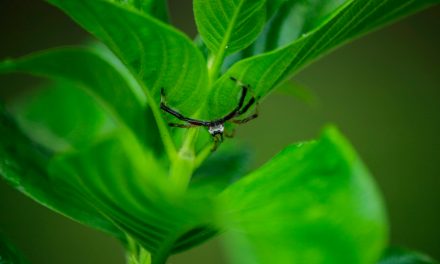
Pest infestations pose a significant threat to tomato plants, often leading to reduced yields and compromised fruit quality. Common pests such as aphids, spider mites, and whiteflies feed on plant sap, weakening the plant and transmitting diseases. Signs of infestation include discolored leaves, stunted growth, and visible pests on foliage.
Implementing integrated pest management (IPM) strategies is crucial for controlling pest populations effectively. Regularly inspecting plants for early signs of infestation allows for timely intervention. Introducing beneficial insects such as ladybugs or lacewings can help control pest populations naturally. Additionally, employing organic insecticides or neem oil can provide effective control while minimizing harm to beneficial organisms.
Disease Impacting Flower and Fruit Formation
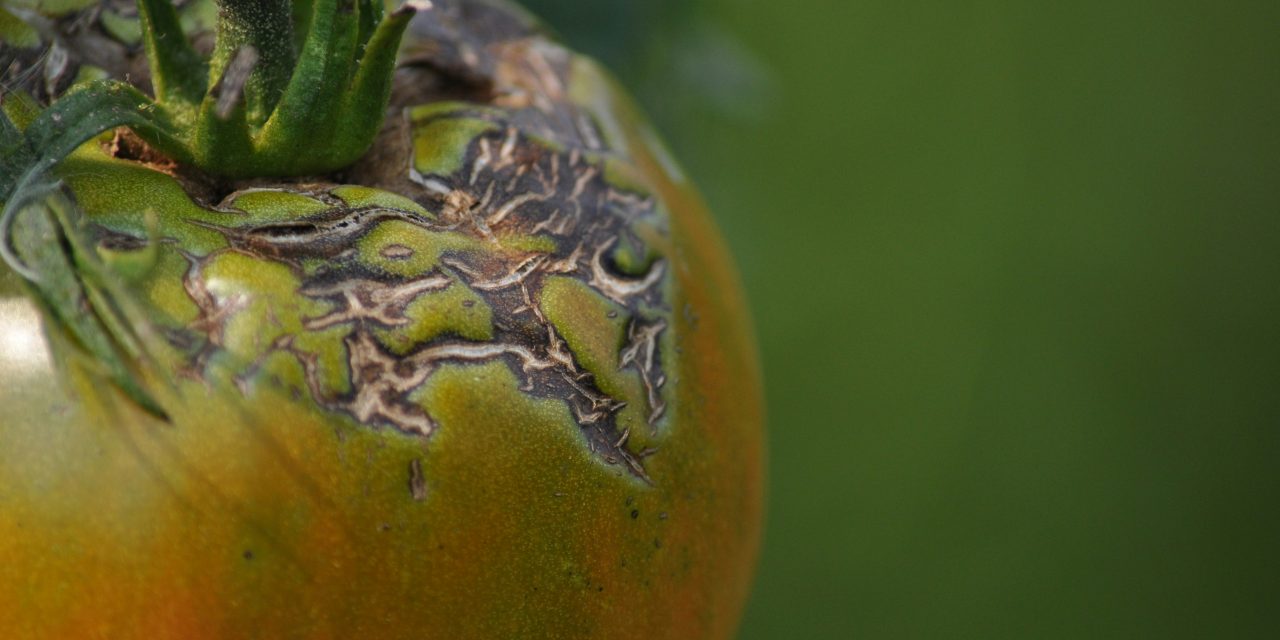
Diseases such as blossom end rot, powdery mildew, and bacterial wilt can severely affect tomato plants’ ability to produce healthy flowers and fruits. Blossom end rot manifests as dark spots on the bottom of fruits due to calcium deficiency exacerbated by inconsistent watering practices. Powdery mildew appears as white fungal growth on leaves and stems, hindering photosynthesis.
Preventive measures are essential for managing diseases effectively. Ensuring proper watering techniques—consistent moisture without over-saturation—can help prevent blossom end rot. Implementing crop rotation practices reduces disease buildup in the soil over time. Additionally, selecting disease-resistant tomato varieties can significantly reduce the risk of infection.
Using the Wrong Tomato Varieties for Your Climate
Selecting appropriate tomato varieties based on local climate conditions is crucial for successful cultivation. Different varieties have varying heat tolerance levels and days to maturity; thus, choosing the wrong type may result in poor yields or crop failure. For instance, indeterminate varieties thrive in longer growing seasons while determinate types are better suited for shorter climates.
To optimize success in tomato cultivation, gardeners should research local climate conditions and select varieties that align with those parameters. Consulting local agricultural extension services or gardening clubs can provide valuable insights into suitable varieties for specific regions. Additionally, starting seeds indoors or utilizing season extenders like greenhouses can help accommodate less favorable climates.
Stress from Transplanting or Environmental Changes
Transplant shock occurs when young tomato plants experience stress during relocation from one environment to another. Factors contributing to transplant shock include abrupt changes in temperature, humidity levels, or soil conditions. Symptoms may include wilting leaves, stunted growth, or delayed flowering.
To minimize transplant shock, gardeners should acclimate seedlings gradually before transplanting them outdoors—a process known as hardening off. This involves exposing young plants to outdoor conditions incrementally over several days. Ensuring proper planting depth and spacing during transplantation also promotes healthy root establishment while reducing stress on the plant.
In summary, successful tomato cultivation requires careful attention to various factors influencing growth and productivity. Addressing issues such as insufficient sunlight exposure, overwatering, nutrient deficiencies, pest infestations, and disease management is essential for achieving optimal yields. By implementing preventive measures and employing effective treatment strategies tailored to specific challenges faced by tomato plants, gardeners can enhance their chances of producing healthy fruits throughout the growing season.
### FAQ Section
1. **What are the signs of insufficient sunlight exposure in tomato plants?**
– Signs include elongated stems (etiolation), sparse foliage, and poor flowering.
2. **How often should I water my tomato plants?**
– Watering frequency depends on environmental conditions; generally aim for consistent moisture without saturation.
3. **What nutrients are essential for healthy tomato growth?**
– Key nutrients include nitrogen (for foliage), phosphorus (for roots), potassium (for overall health), calcium (for fruit development), and magnesium (for chlorophyll production).
4. **How do I know if I’m over-fertilizing my tomatoes?**
– Symptoms include excessive leaf growth with few flowers or fruits and potential yellowing of leaves.
5. **What are effective pruning techniques for tomatoes?**
– Focus on removing suckers judiciously while maintaining adequate leaf coverage; support plants with stakes or cages.
6. **How can I improve pollination rates in my garden?**
– Introduce pollinator-friendly plants nearby and gently shake flowering plants to facilitate pollen transfer.
7. **What temperature range is ideal for growing tomatoes?**
– Ideal temperatures range from 70°F to 85°F (21°C to 29°C) during the day and 55°F to 70°F (13°C to 21°C) at night.
8. **What pests commonly affect tomato plants?**
– Common pests include aphids, spider mites, whiteflies, and hornworms.
9. **How do I prevent diseases in my tomato plants?**
– Implement crop rotation practices, ensure consistent watering techniques, and select disease-resistant varieties.
10. **What should I consider when selecting tomato varieties?**
– Consider local climate conditions, heat tolerance levels, days to maturity, and disease resistance when selecting varieties.
11. **How do I minimize transplant shock?**
– Gradually acclimate seedlings by hardening them off before transplanting outdoors; ensure proper planting depth and spacing.
12. **Can I grow tomatoes indoors?**
– Yes! Tomatoes can be grown indoors using grow lights; ensure they receive adequate light for optimal growth.
By addressing these common challenges with informed strategies and practices tailored to specific needs, gardeners can cultivate thriving tomato plants that yield abundant harvests throughout the growing season.
FAQs
Why are my tomato plants not flowering?
Tomato plants may not flower due to several factors, including inadequate sunlight, improper temperatures, or nutrient imbalances. Tomatoes require at least 6-8 hours of direct sunlight daily. If temperatures are too high (above 90°F) or too low (below 55°F), flowering can be inhibited. Additionally, excessive nitrogen can promote leafy growth at the expense of flowers.
What environmental conditions affect tomato fruit production?
Environmental conditions such as temperature, humidity, and light levels significantly impact tomato fruit production. Ideal temperatures for fruit set are between 70°F and 85°F during the day and 55°F to 70°F at night. High humidity can lead to blossom drop, while low humidity can affect pollination. Ensuring optimal conditions can help improve fruit yield.
How does watering affect tomato fruit production?
Inconsistent watering can lead to stress in tomato plants, which may result in poor fruit production. Tomatoes need consistent moisture, ideally 1-2 inches of water per week. Overwatering can cause root rot, while underwatering can lead to blossom drop and fruit cracking. Maintaining a steady watering schedule is crucial for healthy fruit development.
Are pests or diseases preventing my tomatoes from producing fruit?
Yes, pests and diseases can significantly hinder tomato fruit production. Common pests like aphids, spider mites, and whiteflies can damage flowers and fruits. Diseases such as blossom end rot or fungal infections can also affect plant health and fruit yield. Regular monitoring and appropriate pest management strategies are essential to protect your tomato plants.
What role does pollination play in tomato fruit production?
Pollination is crucial for tomato fruit production, as tomatoes are self-pollinating but still require some movement to transfer pollen. Factors such as lack of wind, high humidity, or the absence of pollinators can hinder this process. Gently shaking the plants or using a soft brush to mimic pollination can help improve fruit set if natural pollination is insufficient.