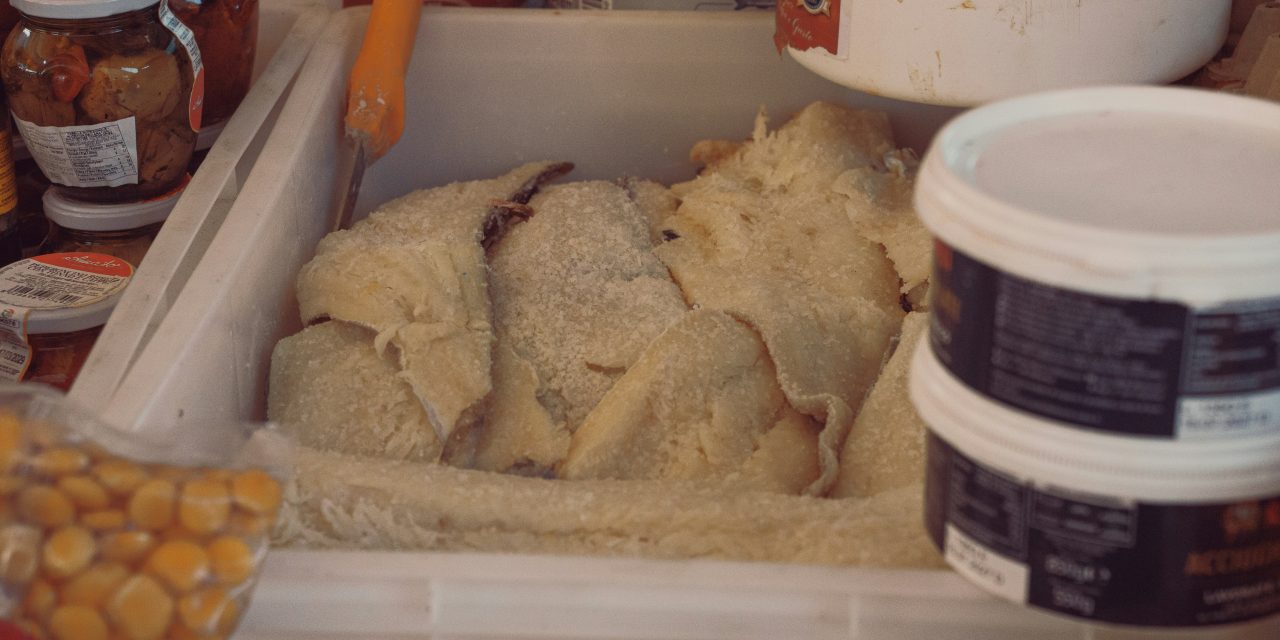
Proper storage of raw chicken is crucial for maintaining its quality and ensuring food safety. The guidelines for storing raw chicken are designed to minimize the risk of bacterial contamination, particularly from pathogens such as Salmonella and Campylobacter, which are commonly associated with poultry. When handling raw chicken, it is essential to adhere to strict hygiene practices, including washing hands thoroughly before and after contact with the meat. Additionally, raw chicken should always be stored separately from other foods to prevent cross-contamination.
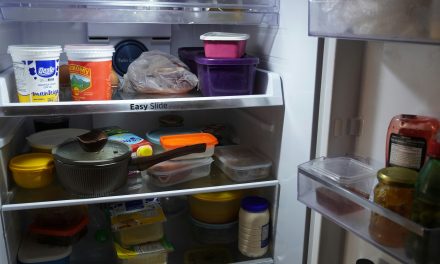
The United States Department of Agriculture (USDA) provides specific recommendations for the storage of raw chicken. It is advised to keep raw chicken in its original packaging until ready for use. If the packaging is compromised, transferring the chicken to an airtight container or wrapping it tightly in plastic wrap can help maintain its freshness. Furthermore, it is important to store raw chicken on the bottom shelf of the refrigerator to prevent any juices from dripping onto other foods, which could lead to contamination.
Recommended Refrigerator Temperature for Chicken
The optimal refrigerator temperature for storing raw chicken is crucial for preserving its freshness and preventing bacterial growth. The USDA recommends that refrigerators be maintained at or below 40°F (4°C). At this temperature, the growth of harmful bacteria is significantly slowed, thereby extending the shelf life of the chicken. It is advisable to use a refrigerator thermometer to ensure that the temperature remains consistent and within the safe range.
In addition to maintaining the correct temperature, it is essential to monitor the refrigerator’s performance regularly. Frequent opening of the refrigerator door can cause temperature fluctuations, which may compromise food safety. To mitigate this risk, consider organizing the refrigerator efficiently, placing frequently used items at the front and minimizing door openings. This practice not only helps maintain a stable temperature but also enhances overall food safety.
How Long Does Raw Chicken Last in the Fridge?

The shelf life of raw chicken in the refrigerator varies depending on several factors, including its freshness at the time of purchase and how it has been stored. Generally, raw chicken can be safely stored in the refrigerator for one to two days. Whole chickens may last slightly longer than cut pieces due to their intact skin, which provides a barrier against bacteria. However, it is always best to consume or freeze raw chicken as soon as possible to ensure optimal quality.
To maximize freshness, it is advisable to check the sell-by date on the packaging when purchasing raw chicken. If you are unsure about its freshness, consider using a food thermometer to check for any signs of spoilage. Additionally, if you plan to keep raw chicken for longer than two days, freezing it is a viable option that can extend its shelf life significantly.
Factors Affecting Raw Chicken Shelf Life

Several factors influence the shelf life of raw chicken, including temperature, packaging, and handling practices. Temperature plays a pivotal role; higher temperatures can accelerate bacterial growth, leading to spoilage. Proper packaging also affects shelf life; vacuum-sealed or airtight containers can help preserve freshness by limiting exposure to air and moisture.
Handling practices are equally important in determining how long raw chicken remains safe for consumption. Cross-contamination from utensils or surfaces that have come into contact with raw chicken can introduce harmful bacteria. Therefore, it is essential to use separate cutting boards and utensils for raw poultry and other foods. Additionally, washing hands thoroughly after handling raw chicken can further reduce the risk of contamination.
Signs Your Raw Chicken Has Gone Bad
Identifying signs of spoilage in raw chicken is vital for ensuring food safety. One of the most common indicators is an off-putting odor; fresh chicken should have a mild scent, while spoiled chicken may emit a strong, sour smell. Additionally, changes in color can signal spoilage; fresh chicken typically appears pinkish-white, while spoiled chicken may take on a grayish hue.
Texture is another important factor to consider; fresh chicken should feel moist but not slimy. If the surface of the chicken feels sticky or tacky, it may be a sign that it has gone bad. It is crucial to trust your senses; if there are any doubts about the freshness of raw chicken, it is safer to discard it rather than risk foodborne illness.
Best Practices for Storing Raw Chicken Safely
To ensure safe storage of raw chicken, several best practices should be followed. First and foremost, always store raw chicken in the coldest part of the refrigerator, ideally on the bottom shelf. This practice minimizes the risk of juices dripping onto other foods and contaminating them. Additionally, using airtight containers or resealable bags can help prevent exposure to air and moisture.
Labeling containers with purchase dates can also aid in tracking freshness and ensuring that raw chicken is used within its safe storage period. When preparing raw chicken for cooking, it is essential to use separate utensils and cutting boards designated solely for poultry to avoid cross-contamination with other foods. Lastly, always wash hands thoroughly with soap and water after handling raw chicken to eliminate any potential pathogens.
Differences Between Whole Chicken and Chicken Pieces
Understanding the differences between whole chickens and chicken pieces is important when considering storage and cooking times. Whole chickens generally have a longer shelf life compared to cut pieces due to their intact skin and bone structure, which provide some protection against bacterial contamination. Whole chickens can typically be stored in the refrigerator for up to two days before cooking.
On the other hand, chicken pieces such as breasts, thighs, wings, and drumsticks may have a shorter shelf life due to their increased surface area exposure. These parts should ideally be cooked within one day of purchase for optimal freshness. When freezing, both whole chickens and pieces can be stored for several months without significant loss of quality; however, proper packaging is essential to prevent freezer burn.
Can You Freeze Raw Chicken to Extend Its Life?
Freezing raw chicken is an effective method for extending its shelf life significantly beyond what refrigeration allows. When properly frozen at 0°F (-18°C) or lower, raw chicken can maintain its quality for up to one year without substantial degradation in flavor or texture. It is crucial to package the chicken correctly before freezing; using vacuum-sealed bags or airtight containers can help prevent freezer burn and preserve moisture.
Before freezing, consider portioning the chicken into meal-sized servings for convenience when cooking later on. Label each package with the date of freezing to keep track of storage time effectively. It is important to note that while freezing halts bacterial growth, it does not kill bacteria already present; therefore, ensuring that the chicken is fresh before freezing is essential.
How to Thaw Frozen Chicken Safely
Thawing frozen chicken safely is critical for preventing bacterial growth during the defrosting process. The safest method for thawing chicken is in the refrigerator; this allows for gradual thawing while keeping the meat at a safe temperature below 40°F (4°C). Depending on the size of the chicken or pieces being thawed, this process may take several hours or overnight.
Alternatively, if time is limited, thawing chicken in cold water can be effective as well. Place the chicken in a leak-proof plastic bag and submerge it in cold water, changing the water every 30 minutes until fully thawed. It is important never to thaw chicken at room temperature as this can promote rapid bacterial growth on the surface while the inside remains frozen.
Risks of Consuming Spoiled Raw Chicken
Consuming spoiled raw chicken poses significant health risks due to potential foodborne illnesses caused by harmful bacteria such as Salmonella and Campylobacter. Symptoms of food poisoning may include nausea, vomiting, diarrhea, abdominal cramps, and fever. In severe cases, these illnesses can lead to hospitalization or even death, particularly among vulnerable populations such as young children, elderly individuals, and those with compromised immune systems.
To mitigate these risks, it is essential always to inspect raw chicken before cooking and discard any that shows signs of spoilage. Cooking chicken thoroughly to an internal temperature of 165°F (74°C) can kill harmful bacteria; however, prevention through proper storage and handling practices remains paramount in avoiding foodborne illnesses.
Tips for Maintaining Freshness and Preventing Contamination
Maintaining freshness and preventing contamination of raw chicken requires diligence in storage practices and hygiene measures. Always purchase fresh chicken from reputable sources and check expiration dates before buying. Upon returning home, store raw chicken immediately in the refrigerator or freezer based on your intended use.
Regularly clean your refrigerator and ensure that it maintains a consistent temperature below 40°F (4°C). Use separate cutting boards and utensils for raw poultry and other foods to prevent cross-contamination effectively. Lastly, educate all household members about safe food handling practices to create a culture of food safety within your home.
In summary, understanding proper storage guidelines for raw chicken is essential for ensuring food safety and maintaining quality. By adhering to recommended refrigeration temperatures and recognizing signs of spoilage, consumers can minimize health risks associated with poultry consumption. Implementing best practices for storage and handling will further enhance safety measures while allowing individuals to enjoy this versatile protein source without concern for contamination or spoilage.
FAQs
How long can raw chicken be stored in the fridge?
Raw chicken can typically be stored in the refrigerator for 1 to 2 days before it should be cooked or frozen. It is important to keep the chicken at a temperature of 40°F (4°C) or below to ensure safety.
What are the signs that raw chicken has gone bad?
Signs that raw chicken has spoiled include a sour or off smell, a slimy texture, and a change in color, such as turning gray or green. If any of these signs are present, it is best to discard the chicken.
Can raw chicken be frozen if it has been in the fridge for a few days?
If raw chicken has been in the fridge for 1 to 2 days and shows no signs of spoilage, it can be safely frozen. However, if it has been in the fridge for longer than 2 days, it is not recommended to freeze it.
Is it safe to marinate raw chicken in the fridge?
Yes, it is safe to marinate raw chicken in the fridge. However, it should be done for no longer than 2 days to prevent bacterial growth. Always marinate chicken in a covered container to avoid cross-contamination.
What should I do if I accidentally left raw chicken out at room temperature?
If raw chicken has been left out at room temperature for more than 2 hours, it should be discarded. Bacteria can multiply rapidly at room temperature, increasing the risk of foodborne illness.