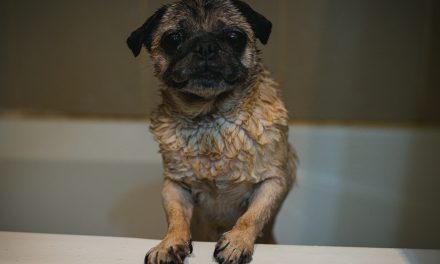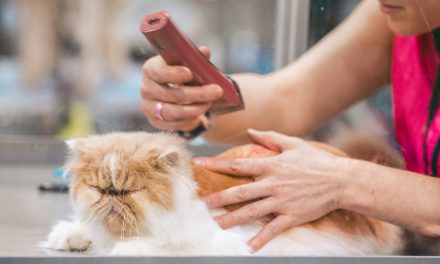
Pet shedding is a natural physiological process that occurs in many animals, particularly those with fur. Understanding the shedding seasons of your pet is crucial for effective management of pet hair in your home. Most pets experience two major shedding seasons annually: spring and fall. During these periods, pets shed their winter coats to prepare for warmer weather or vice versa. The amount of shedding can vary significantly based on the breed, age, health, and environmental factors such as temperature and humidity.
For instance, double-coated breeds like Golden Retrievers and Siberian Huskies tend to shed more heavily during these transitions. In contrast, single-coated breeds like Poodles may shed less but still require regular grooming to manage loose hair. Additionally, indoor pets may shed year-round due to artificial lighting and climate control, which can disrupt their natural shedding cycles. Understanding these patterns allows pet owners to anticipate and prepare for increased shedding, ultimately leading to a cleaner living environment.
Preparing Your Home for Shedding Season
As shedding season approaches, proactive measures can significantly reduce the impact of pet hair in your home. Begin by decluttering your living space to minimize areas where hair can accumulate. This includes removing unnecessary items from floors, furniture, and surfaces. Establishing a designated pet area can also help contain shedding to specific zones, making cleanup more manageable.
Investing in washable slipcovers for furniture can provide an additional layer of protection against pet hair. These covers can be easily removed and laundered, ensuring that your upholstery remains clean and free from allergens. Furthermore, consider using rugs that are easy to clean or have low pile, as they tend to trap less hair compared to high-pile carpets. By preparing your home in advance, you can create a more comfortable environment for both you and your furry companions.
Creating a Regular Grooming Routine

Establishing a consistent grooming routine is essential for managing pet shedding effectively. Regular brushing not only removes loose hair but also helps distribute natural oils throughout your pet’s coat, promoting skin health. Depending on the breed and coat type, grooming frequency may vary; long-haired breeds may require daily brushing, while short-haired breeds may only need weekly sessions.
Incorporating bathing into your grooming routine can also be beneficial. Using a gentle pet shampoo can help remove dead hair and dander while keeping your pet’s skin hydrated. However, it is crucial not to over-bathe, as excessive washing can strip the coat of essential oils and lead to skin irritation. A balanced grooming regimen will help minimize shedding while ensuring your pet remains comfortable and healthy.
Choosing the Right Tools for Pet Hair Removal

Selecting appropriate tools for pet hair removal is vital for maintaining a clean home during shedding seasons. High-quality grooming brushes designed for your pet’s coat type can make a significant difference in managing loose hair. For example, slicker brushes are ideal for long-haired breeds, while rubber bristle brushes work well for short-haired pets.
In addition to grooming tools, consider investing in specialized pet hair removal products such as lint rollers or pet hair removers that utilize adhesive sheets. These tools are particularly effective for quick cleanups on clothing and upholstery. Furthermore, a good vacuum cleaner equipped with a HEPA filter can capture fine pet dander and allergens, improving indoor air quality while effectively removing hair from carpets and floors.
Effective Vacuuming Techniques for Pet Hair
Vacuuming is an essential component of maintaining a hair-free home during shedding seasons. To maximize effectiveness, it is crucial to employ proper techniques when vacuuming pet hair. Start by using a vacuum cleaner specifically designed for pet owners, as these models often come with specialized attachments that target stubborn hair embedded in carpets and upholstery.
When vacuuming carpets, use slow and deliberate strokes to ensure that the vacuum picks up as much hair as possible. For hard surfaces, consider using a vacuum with a brush roll feature that can agitate the surface and dislodge trapped hair. Additionally, vacuuming in multiple directions can help lift hair from various angles, ensuring a thorough clean. Regular vacuuming—ideally at least once a week—will help keep pet hair under control and maintain a healthier living environment.
Using Air Purifiers to Reduce Pet Dander
Air purifiers are an effective solution for reducing airborne pet dander and allergens in your home. These devices work by filtering out particles from the air, including pet hair, dander, pollen, and dust mites. When selecting an air purifier, look for models equipped with HEPA filters, which are designed to capture particles as small as 0.3 microns with an efficiency of 99.97%.
Positioning air purifiers strategically throughout your home—especially in areas where your pets spend the most time—can enhance their effectiveness. Regularly replacing filters according to the manufacturer’s recommendations is essential for optimal performance. By incorporating air purifiers into your home environment, you can significantly improve indoor air quality and reduce allergy symptoms associated with pet dander.
Managing Pet Hair on Furniture and Upholstery
Managing pet hair on furniture and upholstery requires a combination of preventive measures and effective cleaning techniques. To minimize hair accumulation on surfaces, consider using furniture covers or throws that can be easily removed and washed. Additionally, regularly brushing your pets before they lounge on furniture can help reduce the amount of loose hair transferred onto upholstery.
For quick cleanups, lint rollers or sticky tape can be effective tools for removing hair from fabric surfaces. Alternatively, using a damp cloth or rubber glove can help lift stubborn hairs from upholstery by creating static electricity that attracts the hair. Regularly vacuuming furniture with appropriate attachments will also aid in maintaining a clean appearance while minimizing allergens in your living space.
Washing Pet Bedding and Fabrics Frequently
Frequent washing of pet bedding and fabrics is crucial for controlling pet hair and dander in your home. Pet beds should be washed at least once every two weeks to remove accumulated hair, dirt, and odors. Use hot water when washing bedding to effectively eliminate allergens and bacteria.
In addition to pet beds, consider washing any blankets or throws that your pets frequently use. This practice not only helps manage shedding but also contributes to a healthier living environment by reducing allergens present in your home. When washing fabrics, opt for fragrance-free detergents to minimize potential skin irritations for both pets and humans.
Implementing Daily Cleaning Habits
Incorporating daily cleaning habits into your routine can significantly reduce the presence of pet hair in your home. Simple tasks such as wiping down surfaces with a microfiber cloth or sweeping high-traffic areas can prevent hair from accumulating over time. Establishing a cleaning schedule that includes daily tasks will help maintain a tidy environment while minimizing the impact of shedding.
Encourage family members to participate in cleaning efforts by assigning specific tasks related to pet care and maintenance. This collaborative approach not only fosters responsibility but also ensures that cleaning becomes an integral part of daily life rather than an overwhelming chore during shedding seasons.
Training Pets to Minimize Hair Spread
Training pets to minimize hair spread involves reinforcing positive behaviors that contribute to cleanliness in the home. Teaching commands such as “go to your bed” or “stay” can help direct pets to designated areas where they are less likely to shed on furniture or carpets. Reward-based training methods can encourage compliance while strengthening the bond between you and your pet.
Additionally, consider implementing routines that involve grooming sessions before playtime or relaxation periods. This practice not only reduces loose hair but also provides an opportunity for bonding between you and your furry companion. Consistent training efforts will lead to improved behavior over time and contribute to a cleaner living environment.
When to Seek Professional Cleaning Services
Despite diligent efforts in managing pet shedding at home, there may be instances where professional cleaning services become necessary. If you find that persistent pet hair is affecting indoor air quality or exacerbating allergy symptoms among household members, it may be time to consult professionals who specialize in deep cleaning services tailored for homes with pets.
Professional cleaners possess specialized equipment designed to tackle stubborn pet hair embedded in carpets and upholstery effectively. They also have access to industrial-grade air purifiers that can significantly improve indoor air quality during the cleaning process. Seeking professional assistance can provide peace of mind while ensuring that your home remains a comfortable haven for both you and your pets.
In summary, managing pet shedding requires understanding seasonal patterns, preparing your home accordingly, establishing grooming routines, utilizing appropriate tools, and implementing effective cleaning strategies. By adopting these practices consistently, you can create a cleaner living environment while ensuring the health and comfort of both you and your furry companions.
FAQs
What is heavy pet shedding season?
Heavy pet shedding season typically occurs during spring and fall when pets lose their winter or summer coats. This natural process helps them adapt to changing temperatures. Different breeds may shed at different times, but many pet owners notice increased shedding during these transitional seasons.
How often should I groom my pet during shedding season?
During shedding season, it’s advisable to groom your pet at least once a week, but daily grooming may be necessary for breeds that shed heavily. Regular brushing helps remove loose fur, reduces the amount of hair that ends up in your home, and can also help prevent matting and skin issues.
What cleaning tools are most effective for managing pet hair?
Effective cleaning tools for managing pet hair include lint rollers, vacuum cleaners with pet hair attachments, rubber brooms, and microfiber cloths. Additionally, specialized pet hair vacuums are designed to pick up fur more efficiently from carpets and upholstery.
Are there any specific cleaning tips for removing pet hair from furniture?
To remove pet hair from furniture, use a damp rubber glove to wipe surfaces, as the rubber attracts hair. Alternatively, a lint roller or a vacuum with a brush attachment can effectively lift hair from fabric. For stubborn hair, consider using a fabric softener spray diluted with water to loosen the hair before cleaning.
How can I minimize shedding in my pet?
To minimize shedding, ensure your pet is on a balanced diet rich in omega fatty acids, which promote healthy skin and coat. Regular grooming, bathing with appropriate pet shampoos, and maintaining a consistent grooming schedule can also help reduce shedding. Additionally, keeping your home humidified can prevent dry skin, which can lead to excessive shedding.