Raw salmon is a highly sought-after delicacy, prized for its rich flavor and nutritional benefits. However, understanding its shelf life is crucial for ensuring both safety and quality. The shelf life of raw salmon can vary significantly based on several factors, including storage conditions, handling practices, and the initial quality of the fish. Typically, raw salmon can be stored in the refrigerator for a limited time before it begins to deteriorate. This timeframe is essential for consumers and culinary professionals alike, as improper storage can lead to spoilage and foodborne illnesses.
The freshness of raw salmon is not only a matter of taste but also a critical aspect of food safety. Salmon is susceptible to bacterial growth, which can lead to serious health risks if consumed after its prime. Therefore, understanding the nuances of raw salmon shelf life is vital for anyone who enjoys this delectable fish. By adhering to proper storage guidelines and recognizing the signs of spoilage, individuals can enjoy raw salmon safely while maximizing its culinary potential.
Factors Affecting Raw Salmon Freshness
Several factors influence the freshness of raw salmon, each playing a pivotal role in determining how long the fish remains safe for consumption. One of the primary factors is temperature. Salmon should be stored at temperatures below 40°F (4°C) to inhibit bacterial growth. Any fluctuation in temperature can accelerate spoilage, making it imperative to maintain a consistent refrigeration environment.
Another significant factor is the handling practices employed during processing and preparation. Fish that has been handled with care, avoiding cross-contamination and exposure to air, tends to retain its freshness longer. Additionally, the quality of the salmon at the time of purchase is crucial; fish sourced from reputable suppliers and markets are more likely to have a longer shelf life than those from questionable sources. Lastly, the presence of additives or preservatives can also impact freshness, as some treatments may extend shelf life while others may not.
Ideal Refrigerator Temperature for Storing Salmon

The ideal refrigerator temperature for storing raw salmon is critical for maintaining its freshness and safety. The U.S. Food and Drug Administration (FDA) recommends keeping your refrigerator at or below 40°F (4°C). This temperature range effectively slows down bacterial growth, which is essential for preventing spoilage and foodborne illnesses.
To ensure that your refrigerator maintains this optimal temperature, it is advisable to use an appliance thermometer. Regularly checking the temperature can help identify any fluctuations that may compromise the quality of stored food items, including salmon. Additionally, placing salmon on the bottom shelf of the refrigerator can help maintain a consistent temperature, as this area tends to be the coldest. By adhering to these guidelines, consumers can significantly extend the shelf life of their raw salmon.
How Long Can Raw Salmon Stay Fresh in the Fridge?

The duration that raw salmon can remain fresh in the refrigerator varies based on several factors, including its initial quality and storage conditions. Generally, raw salmon can be safely stored in the fridge for up to two days after purchase if kept at the recommended temperature. However, some sources suggest that high-quality salmon may last up to three days under optimal conditions.
It is essential to note that these timeframes are guidelines rather than strict rules. Factors such as the fish’s freshness at the time of purchase and how it has been handled can significantly affect its longevity. Therefore, consumers should always prioritize sensory evaluation—such as smell and appearance—when determining whether raw salmon is still safe to consume.
Signs That Raw Salmon Has Gone Bad
Identifying signs that raw salmon has gone bad is crucial for preventing foodborne illnesses. One of the most apparent indicators is a change in smell; fresh salmon should have a mild ocean-like scent, while spoiled fish often emits a strong, unpleasant odor reminiscent of ammonia or sourness.
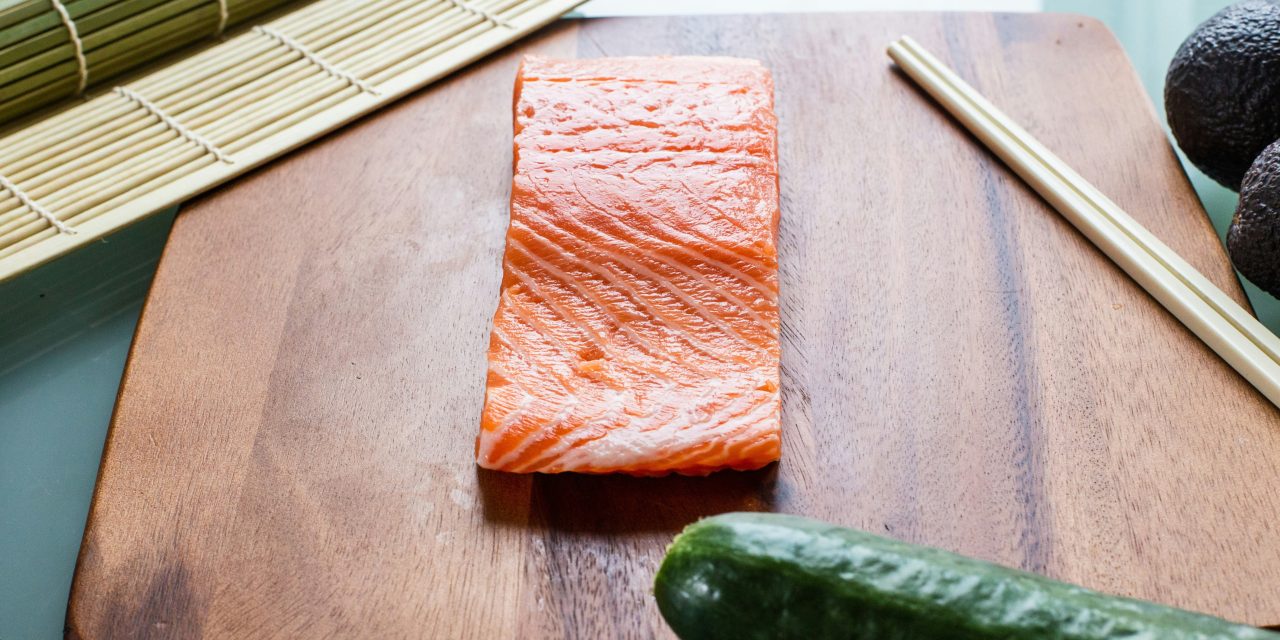
Visual cues are also essential in assessing freshness. Fresh salmon should have a vibrant color—typically a bright pink or orange hue—while spoiled fish may appear dull or discolored. Additionally, the texture of fresh salmon should be firm and moist; if it feels slimy or sticky to the touch, it is likely past its prime. Lastly, any signs of discoloration or browning around the edges are red flags indicating that the fish should not be consumed.
Proper Storage Techniques for Raw Salmon
Proper storage techniques are vital for preserving the quality and safety of raw salmon. First and foremost, it is essential to keep salmon in its original packaging until ready for use. If repackaging is necessary, use airtight containers or resealable plastic bags to minimize exposure to air and moisture.
When storing raw salmon in the refrigerator, place it on a plate or tray to catch any potential drips and prevent cross-contamination with other foods. Additionally, wrapping the fish tightly in plastic wrap or aluminum foil can help maintain its moisture levels while preventing odors from permeating other items in the fridge. For longer storage periods, consider freezing raw salmon; however, it is crucial to do so promptly after purchase to preserve its quality.
The Role of Packaging in Salmon Preservation
Packaging plays a significant role in preserving the freshness and safety of raw salmon. Vacuum-sealed packaging is one of the most effective methods for extending shelf life, as it removes air that can promote spoilage and oxidation. This type of packaging helps maintain moisture levels while preventing freezer burn when stored in the freezer.
Additionally, modified atmosphere packaging (MAP) techniques can enhance preservation by altering the composition of gases surrounding the fish. By replacing oxygen with nitrogen or carbon dioxide, MAP slows down microbial growth and oxidation processes that lead to spoilage. Consumers should look for these advanced packaging methods when purchasing raw salmon to ensure they are getting a product with an extended shelf life.
When comparing fresh versus previously frozen raw salmon shelf life, it is essential to understand how freezing affects quality and safety. Fresh salmon typically has a shorter shelf life—up to two days in the refrigerator—while previously frozen salmon can last longer due to the preservation effects of freezing.
Once thawed, previously frozen salmon should be treated similarly to fresh fish regarding storage time; it should be consumed within one to two days after thawing if kept in the refrigerator. However, freezing does not eliminate all risks associated with spoilage; therefore, consumers must still evaluate thawed salmon for signs of deterioration before consumption.
How to Extend the Shelf Life of Raw Salmon
Extending the shelf life of raw salmon involves several proactive measures that focus on proper handling and storage techniques. First and foremost, purchasing high-quality fish from reputable sources ensures that you start with a product that has a longer shelf life potential.
Once home, promptly refrigerate or freeze the salmon to minimize exposure to warmer temperatures that promote spoilage. For those opting for freezing, wrapping the fish tightly in plastic wrap or aluminum foil before placing it in an airtight container will help prevent freezer burn and maintain quality over time.
Additionally, marinating or curing salmon can also extend its shelf life while enhancing flavor profiles. Techniques such as gravlax or pickling not only preserve but also add unique culinary dimensions to this versatile fish.
Safety Tips for Handling Raw Salmon
Handling raw salmon safely is paramount for preventing foodborne illnesses associated with seafood consumption. First and foremost, always wash your hands thoroughly with soap and water before and after handling raw fish to minimize cross-contamination risks.
Utilizing separate cutting boards for raw fish and other food items is crucial; this practice helps prevent bacteria from spreading between different food types. Additionally, ensure that all utensils used during preparation are clean and sanitized before use.
When cooking raw salmon, it is essential to reach an internal temperature of 145°F (63°C) to ensure any harmful bacteria are effectively eliminated. Using a food thermometer can help verify that this temperature has been achieved.
When to Discard Raw Salmon to Avoid Food Poisoning
Knowing when to discard raw salmon is vital for avoiding food poisoning risks associated with spoiled seafood consumption. If any signs of spoilage are present—such as off-putting odors, discoloration, or slimy texture—it is best to err on the side of caution and discard the fish.
Additionally, if raw salmon has been stored in the refrigerator for more than two days without being cooked or frozen, it should be discarded regardless of its appearance or smell. Following these guidelines will help ensure that you enjoy raw salmon safely while minimizing health risks associated with spoiled seafood.
In summary, understanding raw salmon’s shelf life involves recognizing various factors affecting freshness, ideal storage conditions, and signs of spoilage. By employing proper handling techniques and being vigilant about storage practices, consumers can enjoy this nutritious fish safely while maximizing its culinary potential.
FAQs
How long can raw salmon be stored in the fridge?
Raw salmon can typically be stored in the fridge for 1 to 2 days. It is important to keep it at a temperature of 32°F to 39°F (0°C to 4°C) to ensure its freshness and safety.
What factors affect the shelf life of raw salmon in the fridge?
Several factors can affect the shelf life of raw salmon, including the freshness of the fish at the time of purchase, how it was handled and stored, and the temperature of the refrigerator. Proper packaging and minimizing exposure to air can also help extend its freshness.
How can you tell if raw salmon has gone bad?
Signs that raw salmon has gone bad include a sour or off smell, a slimy texture, and discoloration. Fresh salmon should have a mild scent, firm texture, and vibrant color. If any of these signs are present, it is best to discard the fish.
Can raw salmon be frozen to extend its shelf life?
Yes, raw salmon can be frozen to extend its shelf life. When properly wrapped and stored in an airtight container or vacuum-sealed bag, it can last for up to 6 months in the freezer without significant loss of quality.
Is it safe to eat raw salmon after the expiration date?
It is not recommended to eat raw salmon after the expiration date, as it may pose health risks. Always check for freshness indicators and adhere to the recommended storage times to ensure food safety.