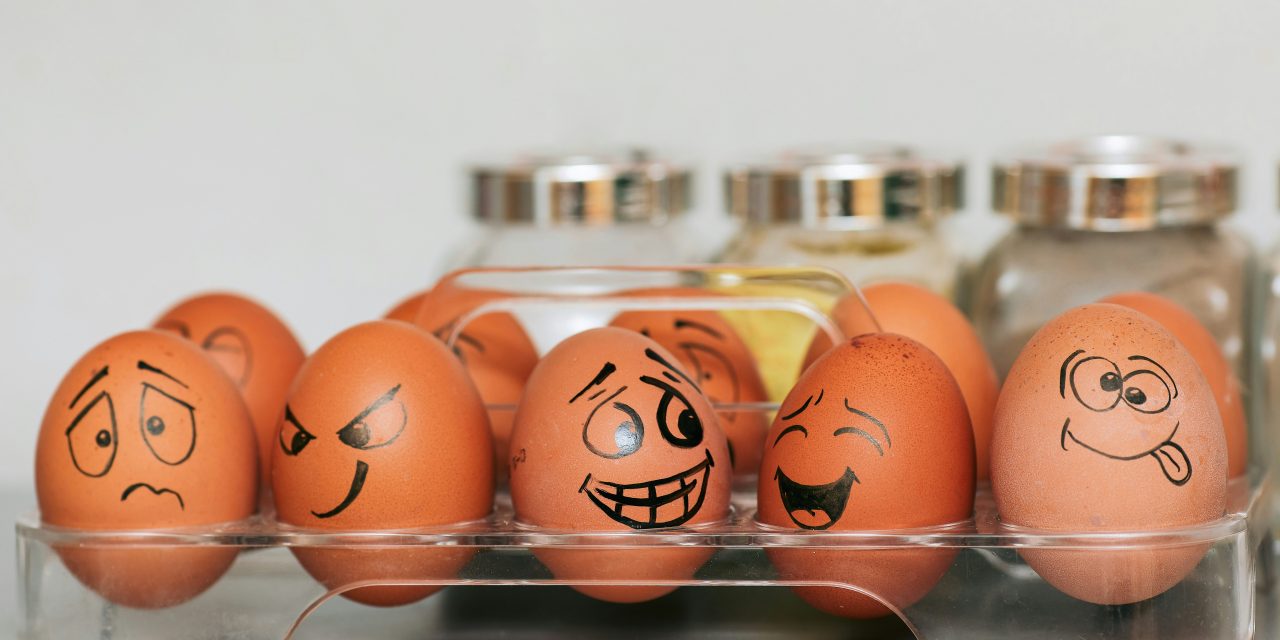
Freshness in the context of eggs refers to the quality and viability of the egg for consumption. A fresh egg is one that has been laid recently and has not undergone significant degradation in its physical or chemical properties. The freshness of an egg can be determined by several factors, including its appearance, smell, and the integrity of its shell. Fresh eggs typically have a firm white that holds its shape and a yolk that stands tall and round.
The concept of freshness is not merely a subjective measure; it is scientifically grounded. Fresh eggs contain a higher concentration of proteins and lower levels of carbon dioxide, which contributes to their buoyancy and overall quality. As eggs age, the pH level of the egg white increases, leading to a more alkaline environment that can affect taste and texture. Understanding these nuances is crucial for consumers who wish to maximize their culinary experiences and ensure food safety.
How Long Can Fresh Eggs Last in the Refrigerator?
When stored properly in a refrigerator, fresh eggs can last significantly longer than many consumers might expect. Typically, fresh eggs can remain viable for up to three to five weeks beyond their pack date when kept at a consistent temperature of 40°F (4°C) or lower. This extended shelf life is due to the protective coating on the eggshell, which helps prevent bacteria from penetrating the shell and spoiling the contents.
However, it is essential to note that while eggs may still be safe to consume after this period, their quality may begin to decline. The texture of the egg white may become thinner, and the yolk may flatten, affecting the overall culinary application. Therefore, while eggs can last for weeks, their optimal freshness is best enjoyed within the first few weeks of refrigeration.
Factors Affecting the Shelf Life of Fresh Eggs

Several factors influence how long fresh eggs can maintain their quality in storage. One primary factor is temperature; eggs should be stored at a consistent cool temperature to inhibit bacterial growth. Fluctuations in temperature can lead to condensation on the shell, creating an environment conducive to spoilage.
Another critical factor is humidity. High humidity levels can promote mold growth on the eggshell, while low humidity can cause moisture loss, leading to shrinkage and increased air cell size within the egg. Additionally, the age of the hen at the time of laying can impact egg quality; younger hens tend to produce fresher eggs with better shelf life compared to older hens.
Proper Storage Techniques to Maximize Egg Freshness

To maximize the freshness of eggs, proper storage techniques are paramount. First and foremost, eggs should be stored in their original carton rather than transferred to a different container. The carton helps protect the eggs from absorbing strong odors and flavors from other foods in the refrigerator while also minimizing moisture loss.
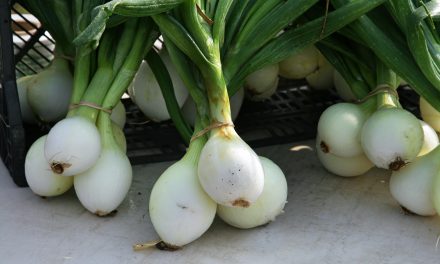
It is advisable to place eggs on a middle shelf rather than in the door, as the door experiences more temperature fluctuations due to frequent opening and closing. Additionally, keeping eggs away from strong-smelling foods such as onions or garlic can help preserve their natural flavor profile. Lastly, maintaining a consistent refrigerator temperature below 40°F (4°C) is crucial for prolonging shelf life.
The Role of Eggshell Quality in Longevity
The quality of an eggshell plays a significant role in determining its longevity and safety for consumption. A strong, intact shell acts as a barrier against bacteria and contaminants, while also preventing moisture loss from within the egg. Factors such as the hen’s diet, age, and living conditions can influence shell quality; hens that are well-nourished and raised in optimal environments tend to produce eggs with stronger shells.
Additionally, eggs with rough or porous shells are more susceptible to spoilage due to increased permeability. Regular inspections for cracks or defects are essential before purchasing or consuming eggs, as compromised shells can lead to bacterial contamination and spoilage.
How to Tell If an Egg Is Still Good to Eat
Determining whether an egg is still good for consumption involves several straightforward methods. The float test is one of the most popular techniques; by placing an egg in a bowl of water, one can observe its buoyancy. Fresh eggs will sink and lay flat on the bottom, while older eggs will stand upright or float due to increased air cell size from moisture loss.
Another method involves cracking the egg open and inspecting its appearance. A fresh egg will have a firm white that holds its shape and a bright yellow yolk. If the egg white appears watery or if there is an off-putting odor upon cracking, it is best to discard it. These simple tests can help ensure food safety while minimizing waste.
The Impact of Washing Eggs on Their Shelf Life
Washing eggs can significantly impact their shelf life due to the removal of the natural protective coating known as the bloom or cuticle. This coating serves as a barrier against bacteria and moisture loss; once removed, eggs become more vulnerable to spoilage. In many countries, including the United States, commercial eggs are washed before packaging, which necessitates refrigeration to maintain safety.
For consumers who purchase farm-fresh eggs that have not been washed, it is advisable to avoid washing them until just before use. If washing is necessary due to dirt or debris, it should be done with warm water and consumed promptly afterward to minimize exposure to contaminants.
Comparing Fresh Eggs to Store-Bought Eggs: Shelf Life Differences
When comparing fresh farm eggs to store-bought varieties, notable differences in shelf life emerge. Fresh farm eggs often have a shorter supply chain and are typically consumed within days of being laid, resulting in superior freshness and flavor. In contrast, store-bought eggs may have been transported over long distances and stored for extended periods before reaching consumers.
Store-bought eggs are often treated with preservatives or washed before packaging, which can affect their longevity and quality. While both types can last several weeks when refrigerated, fresh farm eggs generally retain their quality longer due to their intact protective coatings and minimal handling.
What Happens to Eggs Over Time in the Refrigerator?
As eggs age in the refrigerator, several physiological changes occur that affect their quality and safety for consumption. The most notable change is an increase in pH levels within the egg white, which leads to a more alkaline environment that can alter texture and flavor. Over time, proteins within the egg begin to break down, resulting in thinner whites and flatter yolks.
Additionally, moisture loss occurs through the porous shell, leading to an increase in air cell size within the egg. This process contributes to changes in buoyancy during freshness tests and can ultimately affect cooking applications such as poaching or frying.
Tips for Using Older Eggs Safely and Creatively
Older eggs can still be utilized safely in various culinary applications if handled correctly. One creative way to use older eggs is by incorporating them into baked goods where their texture will not be as noticeable; cakes, muffins, and pancakes are excellent options that benefit from added moisture without compromising flavor.
Another option is to hard-boil older eggs; cooking them thoroughly eliminates potential bacteria while also making them easier to peel due to changes in pH levels over time. Additionally, older eggs can be used in dishes where they will be fully cooked, such as casseroles or quiches.
When to Discard Eggs: Safety Guidelines and Best Practices
Knowing when to discard eggs is crucial for maintaining food safety standards in any kitchen environment. If an egg fails any freshness test—such as floating during the water test or exhibiting off-putting odors upon cracking—it should be discarded immediately.
Furthermore, if there are visible signs of spoilage such as discoloration or unusual textures within the egg white or yolk, it is best practice to err on the side of caution and dispose of it. Regularly checking expiration dates on store-bought eggs and adhering to proper storage techniques will help minimize waste while ensuring safe consumption.
In summary, understanding egg freshness involves recognizing various factors that contribute to quality and longevity. Proper storage techniques play a vital role in maximizing shelf life while being aware of signs indicating spoilage ensures food safety. By employing creative culinary methods for older eggs and adhering to best practices for discarding compromised ones, consumers can enjoy this versatile ingredient with confidence.
FAQs
How long do fresh eggs last in the refrigerator?
Fresh eggs can last for about 3 to 5 weeks in the refrigerator when stored properly. It’s best to keep them in their original carton to protect them from absorbing strong odors and flavors from other foods.
How can you tell if fresh eggs are still good to eat?
You can perform a simple water test: fill a bowl with water and gently place the egg in it. If the egg sinks and lays flat on the bottom, it is fresh. If it stands upright or floats, it is no longer good to eat.
Should fresh eggs be washed before storing them in the refrigerator?
No, fresh eggs should not be washed before storing them. Washing can remove the protective coating on the eggshell, making them more susceptible to bacteria. It’s best to clean them just before use.
Can you freeze fresh eggs to extend their shelf life?
Yes, you can freeze fresh eggs to extend their shelf life. However, it’s recommended to crack them open and beat them before freezing, as whole eggs can expand and crack their shells during freezing.
What is the best way to store fresh eggs in the refrigerator?
The best way to store fresh eggs is to keep them in their original carton on a middle shelf of the refrigerator, where the temperature is more stable. This helps maintain their freshness and quality for a longer period.