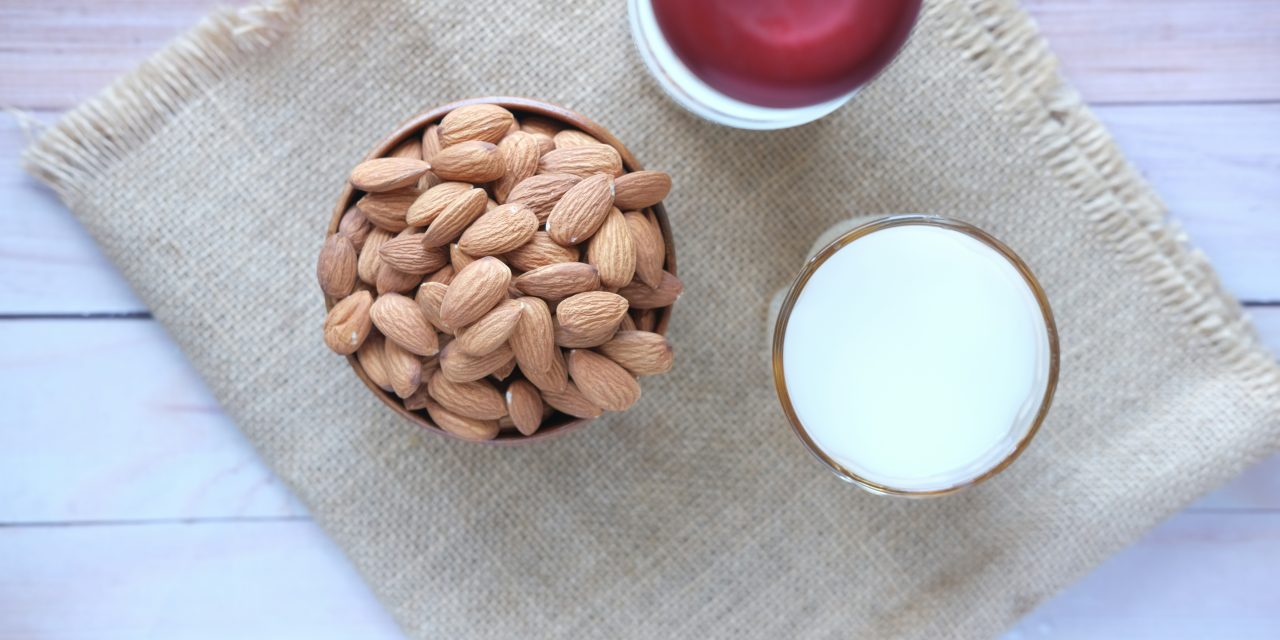
Almond milk, a popular plant-based alternative to dairy, has gained significant traction among health-conscious consumers and those with lactose intolerance. Its creamy texture and nutty flavor make it a versatile ingredient in various culinary applications, from smoothies to baked goods. However, understanding the shelf life of almond milk is crucial for ensuring both safety and quality. Typically, almond milk can be categorized into two types: refrigerated and shelf-stable. Each type has distinct characteristics that influence its longevity.
Refrigerated almond milk generally has a shorter shelf life due to the absence of preservatives. Once opened, it is essential to consume it within a specific timeframe to avoid spoilage. Conversely, shelf-stable almond milk undergoes ultra-high temperature (UHT) processing, allowing it to remain unopened for extended periods without refrigeration. This processing method significantly impacts its shelf life, making it a convenient option for those who may not consume almond milk regularly.
Factors Affecting Almond Milk Freshness
Several factors contribute to the freshness of almond milk, influencing its taste, texture, and safety for consumption. One primary factor is the presence of preservatives. Many commercial brands incorporate additives to prolong shelf life and maintain flavor integrity. These preservatives can inhibit microbial growth, thereby extending the product’s usability.
Another critical factor is the packaging. Almond milk is typically sold in cartons or bottles that protect it from light and air exposure. Packaging materials that are opaque and airtight can significantly enhance the product’s longevity by minimizing oxidation and preventing spoilage. Additionally, the storage conditions play a vital role; exposure to fluctuating temperatures can compromise the quality of almond milk, leading to a shorter shelf life.
Typical Expiration Timeline After Opening

Once opened, the expiration timeline for almond milk varies based on its type and storage conditions. Generally, refrigerated almond milk should be consumed within 7 to 10 days after opening. This timeframe ensures that the product retains its optimal flavor and nutritional value. On the other hand, shelf-stable almond milk can last longer once opened, typically around 7 to 14 days when stored correctly.
It is essential to note that these timelines are general guidelines; individual brands may have specific recommendations based on their formulations. Always refer to the packaging for the most accurate information regarding expiration dates and storage instructions.
Signs Almond Milk Has Gone Bad

Identifying spoiled almond milk is crucial for preventing foodborne illnesses and ensuring a pleasant culinary experience. Several signs indicate that almond milk has gone bad. The first and most apparent sign is a change in smell; spoiled almond milk often emits a sour or rancid odor that deviates from its usual nutty fragrance.
Another indicator is the texture; fresh almond milk should have a smooth consistency. If you notice separation or curdling, it may be a sign of spoilage. Additionally, any off-putting flavors or unusual discoloration can signal that the product is no longer safe for consumption. Always err on the side of caution; if you suspect that your almond milk has gone bad, it is best to discard it.
How to Properly Store Almond Milk After Opening
Proper storage techniques are essential for maximizing the freshness of almond milk after opening. First and foremost, always refrigerate almond milk immediately after opening to inhibit bacterial growth and maintain quality. Ensure that the carton or bottle is tightly sealed to minimize exposure to air, which can lead to oxidation and spoilage.
It is also advisable to store almond milk on a shelf in the refrigerator rather than in the door, as the temperature fluctuates more frequently in this area due to frequent opening and closing. Keeping almond milk away from light sources can further enhance its longevity; consider using opaque containers if transferring it from its original packaging.
Differences Between Refrigerated and Shelf-Stable Almond Milk
The differences between refrigerated and shelf-stable almond milk extend beyond their storage requirements; they also encompass nutritional content and flavor profiles. Refrigerated almond milk is often fresher and may contain fewer preservatives compared to its shelf-stable counterpart. This freshness can result in a more pronounced nutty flavor and creamier texture.
Shelf-stable almond milk, while convenient for long-term storage, may undergo additional processing that can alter its taste and nutritional profile. Some brands may fortify their shelf-stable products with vitamins and minerals to compensate for potential nutrient loss during processing. Consumers should carefully read labels to understand the differences in ingredients and nutritional content between these two types of almond milk.
Impact of Temperature on Almond Milk Longevity
Temperature plays a pivotal role in determining the longevity of almond milk. For refrigerated varieties, maintaining a consistent temperature below 40°F (4°C) is crucial for preserving freshness. Fluctuations in temperature can accelerate spoilage by promoting bacterial growth and enzymatic activity.
For shelf-stable almond milk, while it can be stored at room temperature until opened, once opened, it must be refrigerated promptly. Exposure to higher temperatures after opening can significantly reduce its shelf life, leading to undesirable changes in flavor and texture. Therefore, it is essential to monitor storage conditions closely to ensure optimal quality.
Can You Freeze Almond Milk to Extend Its Life?
Freezing almond milk is an option for extending its shelf life; however, it comes with caveats. When frozen, almond milk may undergo changes in texture and consistency due to the separation of fats and water during the freezing process. This separation can result in a grainy or watery texture upon thawing.
To freeze almond milk effectively, pour it into an airtight container, leaving some space at the top for expansion during freezing. It is advisable to freeze smaller portions for easier thawing later on. When ready to use, thaw frozen almond milk in the refrigerator overnight or use a microwave on low power settings. Be prepared for potential separation; shaking or blending may be necessary to restore its original consistency.
The shelf life of homemade almond milk differs significantly from that of store-bought varieties due to variations in processing methods and preservatives used. Homemade almond milk typically lacks preservatives, resulting in a shorter shelf life of about 3 to 5 days when stored in the refrigerator.
In contrast, store-bought almond milk often contains stabilizers that extend its usability beyond that of homemade versions. While homemade options offer freshness and customization regarding flavor and sweetness levels, they require careful consumption within a limited timeframe to avoid spoilage.
Tips to Maximize Almond Milk Freshness
To maximize the freshness of almond milk, consider implementing several best practices:
1. **Seal Tightly**: Always ensure that the container is tightly sealed after each use.
2. **Store Properly**: Keep almond milk in the coldest part of the refrigerator rather than in the door.
3. **Avoid Cross-Contamination**: Use clean utensils when pouring almond milk to prevent introducing bacteria.
4. **Check Expiration Dates**: Regularly monitor expiration dates on both opened and unopened cartons.
5. **Consume Quickly**: Aim to consume opened almond milk within the recommended timeframe for optimal quality.
By following these tips, consumers can enjoy their almond milk while minimizing waste and ensuring safety.
What to Do With Almond Milk That’s Close to Expiring
When faced with almond milk nearing its expiration date, there are several creative ways to utilize it rather than discarding it:
1. **Smoothies**: Incorporate it into smoothies for added creaminess.
2. **Baking**: Use it as a substitute for dairy in baking recipes such as muffins or pancakes.
3. **Soups**: Add it to soups or sauces for a creamy texture.
4. **Coffee or Tea**: Use it as a dairy alternative in coffee or tea beverages.
5. **Pudding or Custard**: Create desserts like puddings or custards using almond milk as a base.
By repurposing near-expiry almond milk into various dishes, consumers can reduce waste while enjoying delicious meals.
In summary, understanding the intricacies of almond milk’s shelf life is essential for maintaining quality and safety in consumption. Factors such as preservatives, packaging, temperature control, and proper storage techniques all play significant roles in determining how long this popular dairy alternative remains fresh. By recognizing signs of spoilage and employing effective storage methods, consumers can maximize their enjoyment of almond milk while minimizing waste and ensuring safety in their dietary choices.
FAQs
How long does almond milk last after opening?
Once opened, almond milk typically lasts for about 7 to 10 days when stored in the refrigerator. It’s important to check the packaging for specific recommendations, as some brands may vary slightly.
Can you freeze almond milk to extend its shelf life?
Yes, you can freeze almond milk to extend its shelf life. However, it may change in texture once thawed, becoming grainy or separated. It’s best to use frozen almond milk in cooking or baking rather than for drinking.
How can you tell if almond milk has gone bad?
Signs that almond milk has gone bad include an off smell, a change in color, or the presence of clumps or curdling. If you notice any of these signs, it’s best to discard the almond milk.
Does the type of almond milk affect its shelf life after opening?
Yes, the type of almond milk can affect its shelf life. Shelf-stable almond milk may last longer after opening compared to refrigerated varieties, which typically have a shorter shelf life once opened.
Should almond milk be shaken before use?
Yes, almond milk should be shaken before use, especially if it has been sitting for a while. This helps to redistribute any settled ingredients and ensures a consistent texture and flavor.