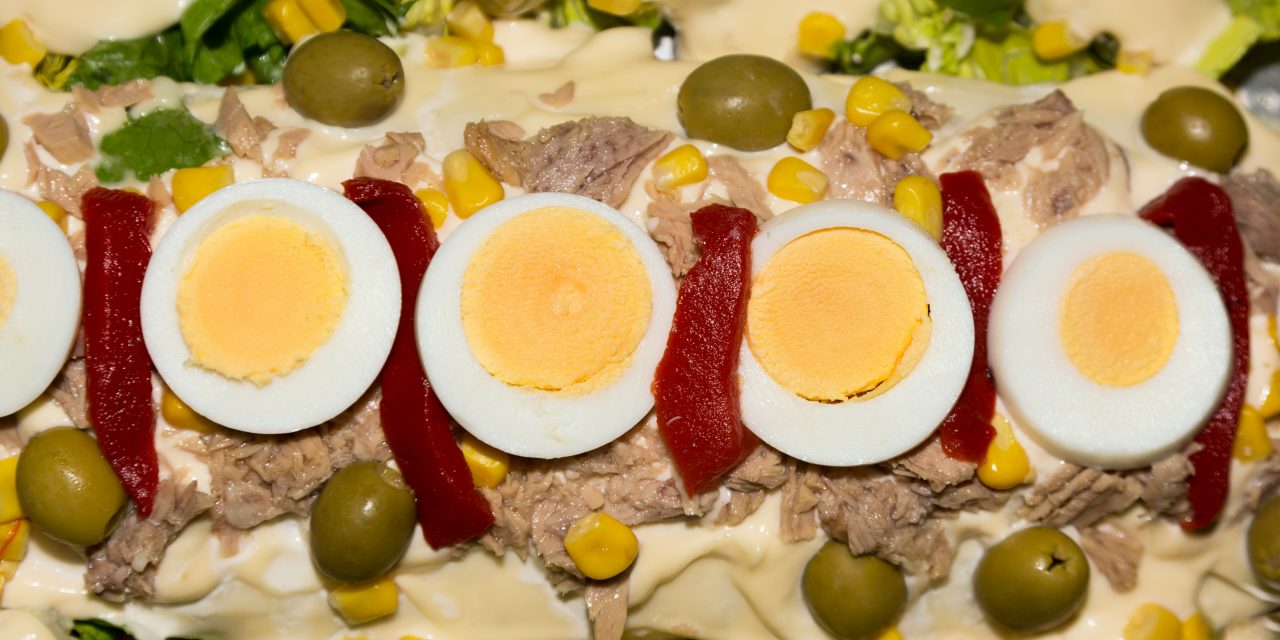
Tuna salad is a popular dish enjoyed by many for its versatility, nutritional value, and ease of preparation. Typically composed of canned tuna, mayonnaise, and various seasonings or vegetables, this dish can serve as a quick meal or a delightful addition to sandwiches and wraps. However, understanding the shelf life of tuna salad is crucial for ensuring food safety and maintaining optimal flavor and texture. The longevity of tuna salad is influenced by several factors, including storage conditions, ingredient composition, and preparation methods.
The importance of knowing how long tuna salad can last cannot be overstated. Consuming spoiled tuna salad can lead to foodborne illnesses, which may result in symptoms such as nausea, vomiting, diarrhea, and abdominal pain. Therefore, it is essential to be aware of the factors that affect its freshness and to implement proper storage techniques to maximize its shelf life.
Factors Affecting Tuna Salad Freshness
Several variables play a significant role in determining the freshness of tuna salad. One of the primary factors is temperature. Tuna salad should be stored at a consistent refrigerator temperature of 40°F (4°C) or lower to inhibit bacterial growth. Fluctuations in temperature can accelerate spoilage, making it imperative to keep the salad in a stable environment.
Another critical factor is the quality of the ingredients used. Freshly prepared tuna salad made with high-quality canned tuna and fresh vegetables will generally have a longer shelf life than one made with lower-quality components. Additionally, the presence of preservatives in store-bought mayonnaise can extend the freshness of commercially prepared tuna salads compared to homemade versions. The pH level of the ingredients also plays a role; acidic components like lemon juice can help inhibit bacterial growth, thereby prolonging shelf life.
Typical Refrigerator Storage Duration for Tuna Salad

When stored correctly in the refrigerator, homemade tuna salad typically lasts between 3 to 5 days. This timeframe can vary based on the freshness of the ingredients used and how well the salad is stored. Store-bought tuna salad often comes with a “best by” date on the packaging, which can provide guidance on its expected shelf life. Generally, unopened store-bought tuna salad can last up to 5 days past its expiration date if kept refrigerated.
It is essential to note that once tuna salad has been served or exposed to room temperature for more than two hours, its shelf life diminishes significantly. In such cases, it is advisable to consume or discard any leftovers within 24 hours to avoid potential health risks.
Signs Your Tuna Salad Has Gone Bad

Identifying spoilage in tuna salad is crucial for preventing foodborne illnesses. There are several indicators that your tuna salad may have gone bad. One of the most apparent signs is an off-putting odor; fresh tuna salad should have a mild seafood scent, while spoiled versions may emit a sour or rancid smell due to the breakdown of ingredients.
Visual cues are also important; if you notice any discoloration or mold growth on the surface of the salad, it is best to err on the side of caution and discard it immediately. Additionally, changes in texture can indicate spoilage; if the salad appears excessively watery or has developed an unusual consistency, it may no longer be safe for consumption.
How to Properly Store Tuna Salad in the Fridge
Proper storage techniques are vital for extending the shelf life of tuna salad. To begin with, always use an airtight container to minimize exposure to air and moisture, which can accelerate spoilage. Glass or plastic containers with tight-fitting lids are ideal for this purpose.
Before sealing the container, ensure that the tuna salad has cooled down to room temperature if it was freshly prepared. Placing warm food directly into the refrigerator can raise the internal temperature and create an environment conducive to bacterial growth. Additionally, store the container on a shelf rather than in the door of the refrigerator, as this area experiences more temperature fluctuations.
Impact of Ingredients on Tuna Salad Longevity
The ingredients used in tuna salad significantly influence its longevity. Canned tuna itself has a long shelf life when unopened but can spoil quickly once mixed with other components. Mayonnaise is another critical ingredient; while it adds creaminess and flavor, it can also be a breeding ground for bacteria if not stored properly.
Vegetables such as celery or onions can introduce moisture into the salad, which may lead to quicker spoilage. To mitigate this risk, consider adding these ingredients just before serving rather than mixing them into the entire batch. Additionally, incorporating acidic elements like vinegar or lemon juice can help preserve freshness by lowering the pH level and inhibiting bacterial growth.
Safe Handling Tips to Extend Tuna Salad Life
To maximize the shelf life of your tuna salad, adhere to safe handling practices during preparation and storage. Always wash your hands thoroughly before handling food to prevent cross-contamination from harmful bacteria. Use clean utensils and cutting boards when preparing ingredients to minimize contamination risks.
When serving tuna salad, avoid leaving it out at room temperature for extended periods; ideally, it should not be left out for more than two hours. If you plan to serve it at a gathering or picnic, consider using ice packs or insulated containers to keep it cool. Lastly, always label your containers with preparation dates to keep track of how long they have been stored.
Can You Freeze Tuna Salad? Pros and Cons
Freezing tuna salad is an option that some may consider for extending its shelf life beyond refrigeration. However, there are both advantages and disadvantages associated with this method. On one hand, freezing can significantly prolong the usability of tuna salad—up to three months—by halting bacterial growth and enzymatic activity.
On the other hand, freezing can alter the texture and flavor of certain ingredients within the salad. Mayonnaise may separate upon thawing, resulting in an unappetizing consistency that may not be appealing when served. Additionally, vegetables may become mushy after freezing and thawing due to their high water content. Therefore, if you choose to freeze tuna salad, consider omitting mayonnaise and adding it fresh upon thawing.
Reheating Tuna Salad: Is It Safe?
Reheating tuna salad is generally not recommended due to its primary ingredients’ nature—canned fish and mayonnaise—both of which are best served cold. Heating can compromise flavor and texture while also increasing the risk of bacterial growth if not done correctly.
If you must reheat tuna salad for any reason, ensure that it reaches an internal temperature of at least 165°F (74°C) to kill any potential pathogens. However, it is advisable to consume tuna salad cold or at room temperature for optimal taste and safety.
When comparing homemade and store-bought tuna salads regarding shelf life, several factors come into play. Homemade versions typically have a shorter shelf life due to the absence of preservatives found in many commercial products. While homemade salads may last 3-5 days in the refrigerator, store-bought varieties can often remain safe for consumption up to a week or more when unopened.
However, homemade salads allow for greater control over ingredient quality and freshness, which can enhance flavor and nutritional value. Conversely, store-bought options offer convenience but may contain additives that some consumers prefer to avoid. Ultimately, personal preference and lifestyle will dictate which option is best suited for individual needs.
Best Practices for Tuna Salad Storage
In conclusion, understanding how to properly store tuna salad is essential for maintaining its freshness and ensuring food safety. By adhering to recommended refrigeration practices, utilizing airtight containers, and being mindful of ingredient quality, you can extend your tuna salad’s shelf life significantly. Always be vigilant for signs of spoilage and practice safe handling techniques during preparation.
Whether you opt for homemade or store-bought versions, being informed about storage duration and proper handling will help you enjoy this delicious dish without compromising your health. By following these best practices, you can savor your tuna salad while minimizing waste and maximizing flavor.
In summary:
– Tuna salad typically lasts 3-5 days in the refrigerator.
– Factors affecting freshness include temperature control and ingredient quality.
– Signs of spoilage include off odors, discoloration, and unusual textures.
– Proper storage techniques involve using airtight containers and maintaining consistent refrigeration.
– Freezing is possible but may alter texture; reheating is generally not recommended.
– Homemade salads usually have a shorter shelf life compared to store-bought options due to preservatives.
By implementing these guidelines, you can enjoy your tuna salad safely and deliciously!
FAQs
How long can tuna salad be stored in the fridge?
Tuna salad can typically be stored in the refrigerator for 3 to 5 days. It’s important to keep it in an airtight container to maintain freshness and prevent contamination.
What factors affect the shelf life of tuna salad?
The shelf life of tuna salad can be affected by several factors, including the freshness of the ingredients used, the storage temperature, and whether it has been properly sealed in an airtight container.
Can I freeze tuna salad for longer storage?
While it is possible to freeze tuna salad, it is not recommended as the texture may change upon thawing. If you choose to freeze it, consume it within 1 to 2 months for the best quality.
How can I tell if tuna salad has gone bad?
Signs that tuna salad has gone bad include an off smell, discoloration, or a change in texture. If you notice any of these signs, it’s best to discard the salad to avoid foodborne illness.
Is it safe to eat tuna salad after the expiration date?
It is not advisable to eat tuna salad after the expiration date, as it may pose health risks. Always check for signs of spoilage and adhere to the recommended storage times for safety.