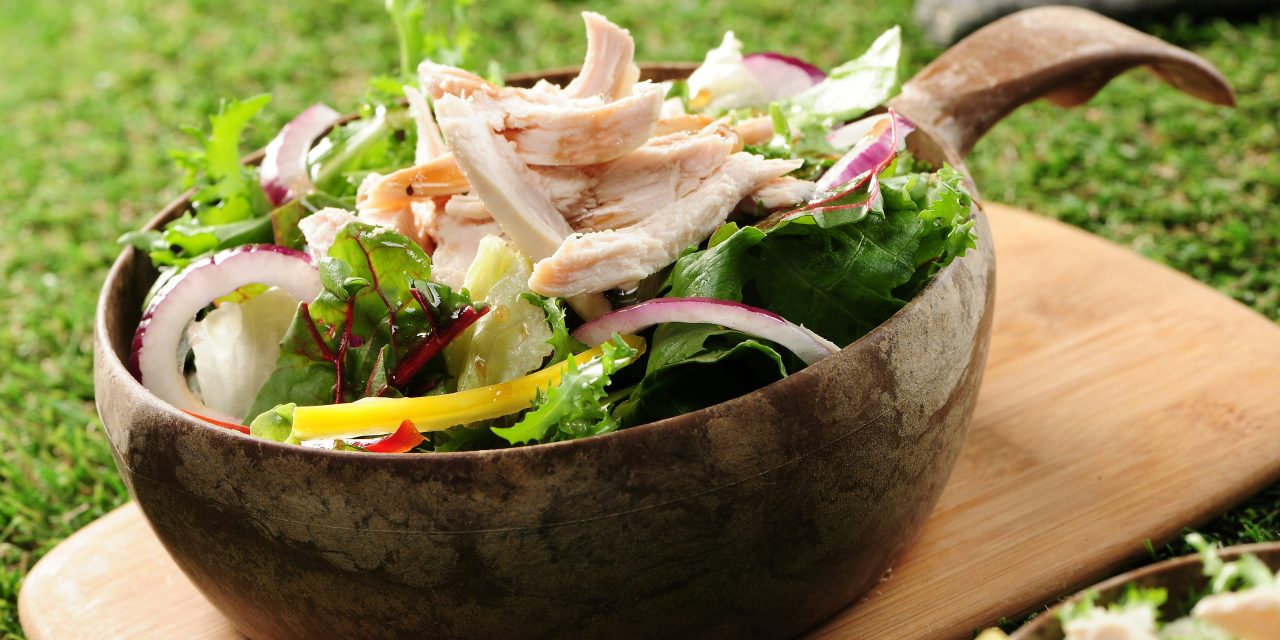
Chicken salad is a versatile dish that combines various ingredients, each contributing to its flavor, texture, and nutritional profile. The primary component is, of course, chicken, which can be prepared in numerous ways—grilled, poached, or roasted. The choice of chicken cuts, such as breast or thigh, can significantly influence the dish’s overall taste and moisture content. Additionally, the inclusion of mayonnaise or yogurt serves as a binding agent, enhancing creaminess while adding calories and fat.
Beyond the chicken and dressing, a plethora of ingredients can be incorporated into chicken salad. Common additions include celery, onions, grapes, apples, nuts, and herbs. Each ingredient not only adds unique flavors but also contributes essential nutrients. For instance, celery provides dietary fiber and hydration, while grapes offer antioxidants. The combination of these elements creates a balanced dish that can serve as a meal or a side.
Factors Affecting Chicken Salad Shelf Life
The longevity of chicken salad is influenced by several factors, including ingredient composition, preparation methods, and storage conditions. The freshness of the chicken used plays a crucial role; using freshly cooked or high-quality chicken can extend the salad’s shelf life. Conversely, incorporating ingredients that spoil quickly, such as soft cheeses or certain fruits, can shorten its viability.
Temperature is another critical factor affecting chicken salad’s shelf life. Bacteria thrive in warm environments; thus, maintaining appropriate refrigeration is essential. The presence of preservatives in store-bought versions may also enhance shelf life compared to homemade varieties. Understanding these factors can help consumers make informed decisions about how long they can safely enjoy their chicken salad.
Typical Refrigerator Storage Duration for Chicken Salad

When stored correctly in the refrigerator, chicken salad typically lasts between three to five days. This timeframe can vary based on the ingredients used and how well the salad is sealed. For instance, salads containing mayonnaise may have a slightly shorter shelf life due to the potential for bacterial growth if not stored properly.
It is essential to monitor the storage duration closely. If chicken salad has been left out at room temperature for more than two hours, it should be discarded to prevent foodborne illnesses. Keeping track of when the salad was prepared can help ensure it is consumed within the safe timeframe.
Signs Your Chicken Salad Has Gone Bad

Identifying spoilage in chicken salad is crucial for food safety. Several indicators can signal that the dish has deteriorated. First and foremost, an off-putting odor is often a telltale sign; fresh chicken salad should have a pleasant aroma. Additionally, changes in texture—such as excessive sliminess or separation of ingredients—can indicate spoilage.
Visual cues are equally important; any discoloration or mold growth should prompt immediate disposal of the salad. If the dressing appears curdled or if there are signs of fermentation bubbles, these are clear signs that the chicken salad is no longer safe to consume.
Proper Storage Techniques to Extend Freshness
To maximize the freshness of chicken salad, proper storage techniques are essential. First, ensure that the salad is placed in an airtight container to minimize exposure to air and moisture. This helps prevent oxidation and bacterial growth. Glass containers are often preferred due to their non-reactive nature and ability to maintain temperature.
Refrigeration should be set at or below 40°F (4°C) to inhibit bacterial growth effectively. It is advisable to store chicken salad on a middle shelf rather than in the door, where temperatures fluctuate more frequently. Additionally, avoid mixing new batches with older ones; always label containers with preparation dates to keep track of freshness.
The longevity of chicken salad can differ significantly between homemade and store-bought varieties. Homemade chicken salad typically lacks preservatives and stabilizers found in commercial products, which can lead to a shorter shelf life. However, homemade versions allow for greater control over ingredient quality and freshness.
Store-bought chicken salads often contain preservatives that extend their shelf life but may also include artificial ingredients that some consumers prefer to avoid. It is essential to read labels carefully and consider both safety and personal dietary preferences when choosing between homemade and store-bought options.
How Temperature Influences Chicken Salad Safety
Temperature plays a pivotal role in ensuring the safety of chicken salad. Bacteria such as Salmonella and Listeria thrive at temperatures above 40°F (4°C). Therefore, it is crucial to refrigerate chicken salad promptly after preparation or serving. If left out at room temperature for extended periods, the risk of bacterial contamination increases significantly.
When transporting chicken salad for picnics or gatherings, using insulated coolers with ice packs can help maintain safe temperatures. It is advisable to keep the salad chilled until serving time and return any leftovers to refrigeration immediately after consumption.
Tips for Safely Reheating Chicken Salad
Reheating chicken salad requires caution to ensure food safety while preserving flavor and texture. If reheating is necessary—such as when using leftover chicken salad as a filling for sandwiches—ensure that it reaches an internal temperature of 165°F (74°C). This temperature effectively kills harmful bacteria that may have developed during storage.
Microwaving is a common method for reheating; however, it is essential to stir the salad thoroughly to promote even heating. Avoid reheating multiple times; instead, only heat what will be consumed immediately to minimize the risk of spoilage.
Freezing Chicken Salad: Is It a Good Idea?
Freezing chicken salad is generally not recommended due to potential changes in texture and flavor upon thawing. Ingredients such as mayonnaise can separate and become watery when frozen, leading to an unappetizing consistency once defrosted. However, if necessary, consider freezing only the cooked chicken separately and preparing fresh salad components upon thawing.
If you choose to freeze chicken salad despite these concerns, ensure it is stored in an airtight container with as much air removed as possible to prevent freezer burn. Label containers with dates and consume within three months for optimal quality.
Common Mistakes That Shorten Chicken Salad Shelf Life
Several common mistakes can inadvertently shorten the shelf life of chicken salad. One prevalent error is failing to refrigerate leftovers promptly after serving; allowing the dish to sit at room temperature increases bacterial growth risk significantly. Another mistake involves using contaminated utensils or serving dishes that have come into contact with raw meat or other potentially harmful substances.
Additionally, mixing fresh ingredients with older batches can lead to spoilage; always keep new and old salads separate until ready to serve. Lastly, neglecting proper sealing techniques can expose the salad to air and moisture, accelerating spoilage.
When to Discard Chicken Salad to Avoid Foodborne Illness
Knowing when to discard chicken salad is vital for preventing foodborne illnesses. If any signs of spoilage are present—such as off odors, discoloration, or mold—it is best to err on the side of caution and dispose of the dish immediately. Additionally, if the salad has been stored beyond its recommended duration of three to five days in the refrigerator, it should not be consumed.
In cases where there is uncertainty about the safety of the chicken salad—such as if it has been left out for an extended period—discarding it is always the safest option. Foodborne illnesses can lead to severe health complications; therefore, prioritizing safety over waste is crucial.
In summary, understanding the ingredients and factors affecting chicken salad’s shelf life is essential for safe consumption. Proper storage techniques can extend freshness while recognizing signs of spoilage ensures food safety. Homemade versus store-bought options present different longevity considerations, while temperature management plays a critical role in preventing bacterial growth. By following best practices for reheating and avoiding common mistakes, consumers can enjoy this delicious dish safely while minimizing waste.
FAQs
How long can chicken salad be stored in the refrigerator?
Chicken salad can typically be stored in the refrigerator for 3 to 5 days. It is important to keep it in an airtight container to maintain freshness and prevent contamination.
What factors can affect the shelf life of chicken salad?
Several factors can affect the shelf life of chicken salad, including the ingredients used, the freshness of the chicken, and how well it is stored. Ingredients like mayonnaise can also impact spoilage rates, as they can promote bacterial growth if not kept cold.
How can you tell if chicken salad has gone bad?
You can tell if chicken salad has gone bad by checking for changes in smell, color, or texture. If it has an off odor, appears discolored, or has a slimy texture, it is best to discard it.
Can chicken salad be frozen for longer storage?
Yes, chicken salad can be frozen for longer storage, but it may affect the texture of the ingredients, especially if it contains mayonnaise. It is recommended to freeze it without mayonnaise and add it after thawing for better quality.
Is it safe to eat chicken salad after the expiration date?
It is not recommended to eat chicken salad after the expiration date, as it may pose a risk of foodborne illness. Always check for signs of spoilage and adhere to the recommended storage times for safety.