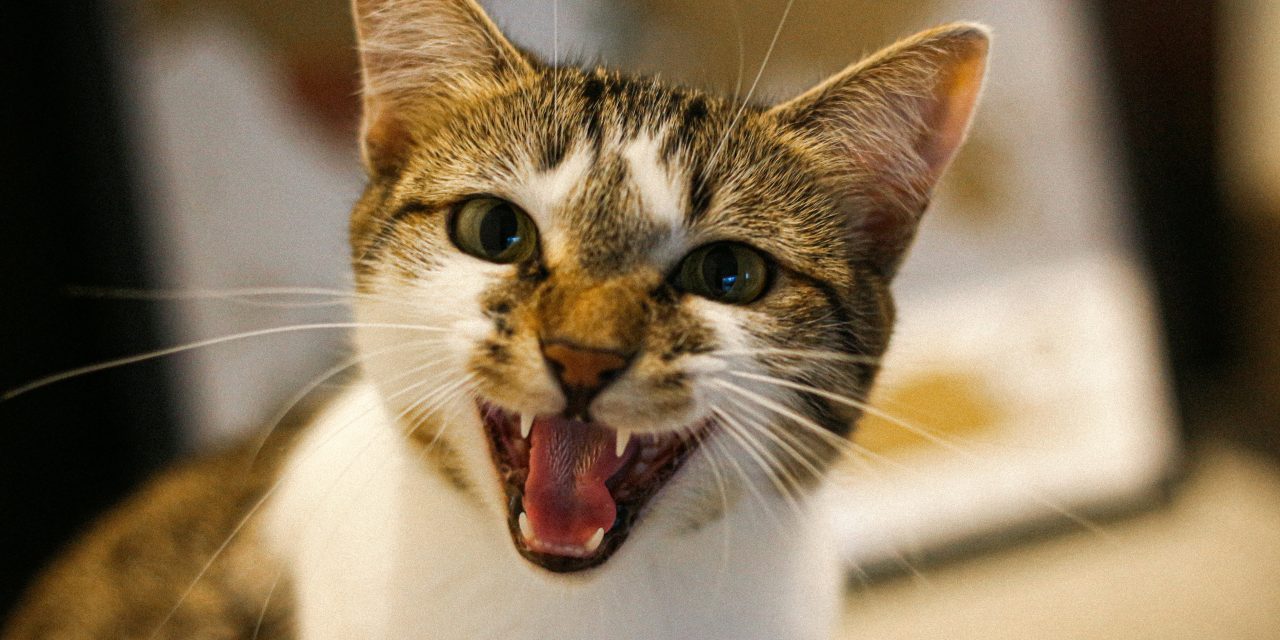
Aggression in cats during grooming sessions can stem from a multitude of factors, often rooted in their instinctual behaviors and past experiences. One primary cause is fear; many felines perceive grooming as a threat to their autonomy. This fear can be exacerbated by negative past experiences, such as painful encounters with grooming tools or rough handling. Additionally, certain breeds may exhibit heightened sensitivity to touch, making them more prone to aggressive reactions when subjected to grooming.
Another significant factor contributing to aggression is territoriality. Cats are inherently territorial creatures, and the grooming process can disrupt their sense of security. When they feel cornered or restrained, they may resort to aggressive behaviors as a means of self-defense. Furthermore, underlying medical conditions such as skin irritations or pain can lead to increased irritability during grooming. Understanding these causes is crucial for pet owners to effectively address and mitigate aggressive behaviors.
Preparing Your Environment for a Calm Grooming Session
Creating a serene environment is essential for a successful grooming session. Begin by selecting a quiet space free from distractions, such as loud noises or other pets. This tranquil setting helps reduce anxiety and allows your cat to feel more secure. Consider using a non-slip mat or blanket to provide comfort and stability during the grooming process. The familiarity of their surroundings can also contribute positively to their overall demeanor.
Additionally, the temperature of the environment plays a vital role in your cat’s comfort level. Ensure that the room is neither too hot nor too cold, as extreme temperatures can lead to discomfort and agitation. Dim lighting can also create a calming atmosphere, making it easier for your cat to relax. By thoughtfully preparing the environment, you set the stage for a more positive grooming experience.
Choosing the Right Grooming Tools for Sensitive Cats

Selecting appropriate grooming tools is paramount when dealing with sensitive cats. Opt for brushes designed specifically for delicate fur types, such as soft-bristle brushes or rubber grooming gloves that provide a gentle touch. These tools minimize discomfort and reduce the likelihood of aggressive reactions during grooming sessions. Additionally, consider using combs with rounded tips to prevent skin irritation.
It is also essential to have a variety of tools on hand to cater to your cat’s specific needs. For instance, dematting tools can help address tangles without causing pain, while nail clippers designed for feline anatomy ensure a safe and efficient trimming process. Investing in high-quality grooming tools not only enhances the grooming experience but also fosters trust between you and your feline companion.
Recognizing Your Cat’s Warning Signs and Body Language

Understanding feline body language is crucial for identifying warning signs that indicate discomfort or aggression. Cats communicate their feelings through subtle cues, such as tail position, ear orientation, and vocalizations. A raised tail may signify confidence, while a lowered tail can indicate fear or submission. Pay attention to ear movements; flattened ears often signal irritation or aggression.
Vocalizations also play a significant role in understanding your cat’s emotional state. Hissing or growling are clear indicators of distress and should prompt immediate action to alleviate their discomfort. By recognizing these warning signs early on, you can adjust your approach to grooming and prevent escalation into aggressive behavior.
Gradual Desensitization Techniques to Reduce Fear
Gradual desensitization is an effective method for reducing fear associated with grooming. This technique involves slowly introducing your cat to grooming tools and processes in a controlled manner. Start by allowing your cat to explore the grooming tools without any pressure to engage in grooming itself. This initial exposure helps them associate the tools with positive experiences rather than fear.
Once your cat appears comfortable with the tools, gradually introduce short grooming sessions that focus on less sensitive areas, such as the back or sides. Use treats and praise to reinforce positive behavior during these sessions. Over time, you can increase the duration and intensity of grooming while maintaining a calm demeanor. This gradual approach fosters trust and reduces anxiety, ultimately leading to a more cooperative grooming experience.
Using Positive Reinforcement to Encourage Cooperation
Positive reinforcement is a powerful tool in encouraging cooperative behavior during grooming sessions. Rewarding your cat with treats, praise, or affection when they remain calm and compliant reinforces desirable behavior. This approach not only motivates your cat but also strengthens the bond between you and your feline companion.
Incorporate treats strategically throughout the grooming process. For instance, offer a treat immediately after brushing a specific area or when your cat remains calm during nail trimming. This association between grooming and positive outcomes encourages your cat to view grooming as a rewarding experience rather than a stressful one.
When to Take Breaks: Timing and Patience in Grooming
Recognizing when to take breaks during grooming sessions is essential for maintaining a positive experience for both you and your cat. If you notice signs of agitation or stress, such as twitching tails or vocalizations, it may be time to pause and allow your cat to relax. Shorter sessions with frequent breaks can be more effective than prolonged grooming periods that may lead to frustration.
Patience is key when working with an aggressive cat. Gradually build up the duration of grooming sessions over time, allowing your cat to acclimate at their own pace. By respecting their boundaries and taking breaks when necessary, you create an environment where your cat feels safe and secure.
Handling Specific Aggressive Behaviors Safely
When faced with specific aggressive behaviors during grooming, it is crucial to handle the situation safely and effectively. If your cat exhibits biting or scratching tendencies, avoid using your hands as shields; instead, use a towel or blanket to gently wrap them if necessary. This technique provides protection while allowing you to continue grooming without causing harm.
If your cat becomes overly aggressive, it may be beneficial to stop the session entirely and allow them time to calm down before attempting again later. Never punish aggressive behavior; instead, focus on understanding the triggers that lead to aggression and work on desensitization techniques outside of grooming sessions.
Seeking Professional Help: When to Consult a Veterinarian or Groomer
In some cases, professional assistance may be necessary when dealing with aggressive behavior during grooming. If your cat’s aggression escalates despite your efforts or if there are underlying medical concerns contributing to their behavior, consulting a veterinarian is advisable. A thorough examination can rule out any health issues that may be causing discomfort or pain.
Additionally, professional groomers experienced in handling aggressive cats can provide valuable insights and techniques tailored to your feline’s needs. They possess specialized knowledge in managing challenging behaviors and can offer guidance on effective grooming practices that promote cooperation.
Alternative Grooming Methods for Aggressive Cats
For cats that exhibit extreme aggression during traditional grooming methods, alternative approaches may be necessary. Consider using waterless shampoos or wipes designed for feline hygiene; these products allow for cleaning without the need for extensive brushing or bathing. Additionally, employing calming pheromone sprays before grooming sessions can help reduce anxiety levels.
Another alternative is utilizing professional mobile grooming services that come directly to your home. This familiar environment may alleviate some stress associated with travel and unfamiliar settings, making it easier for your cat to cooperate during grooming.
Maintaining Regular Grooming to Prevent Future Aggression
Establishing a consistent grooming routine is vital for preventing future aggression in cats. Regular grooming not only keeps their coat healthy but also desensitizes them to the process over time. Aim for short sessions multiple times per week rather than infrequent long sessions that may overwhelm them.
Incorporating positive reinforcement into these regular sessions reinforces cooperative behavior while fostering trust between you and your feline companion. By maintaining this routine, you create an environment where grooming becomes an expected part of their care rather than a source of stress.
In summary, understanding the causes of aggression during grooming is essential for creating a positive experience for both cats and their owners. By preparing the environment thoughtfully, choosing appropriate tools, recognizing body language, employing gradual desensitization techniques, utilizing positive reinforcement, taking breaks when necessary, handling aggressive behaviors safely, seeking professional help when needed, exploring alternative methods, and maintaining regular grooming routines, pet owners can significantly reduce aggression during grooming sessions and foster a trusting relationship with their feline companions.
FAQs
What are common signs that my cat is becoming aggressive during grooming?
Common signs of aggression in cats during grooming include hissing, growling, swatting, biting, and sudden movements away from the grooming tool. Additionally, a cat may flatten its ears, puff up its fur, or exhibit a tense body posture, indicating discomfort or stress.
How can I prepare my cat for grooming to minimize aggression?
To prepare your cat for grooming, start by creating a calm environment. Use treats and positive reinforcement to associate grooming with a pleasant experience. Gradually introduce grooming tools and allow your cat to sniff them before starting the grooming process. Short, gentle sessions can help your cat acclimate to grooming over time.
What techniques can I use to calm an aggressive cat during grooming?
To calm an aggressive cat during grooming, try using a soft voice and gentle touch. Take breaks if your cat shows signs of stress, and consider using calming products such as pheromone sprays or calming collars. Additionally, grooming in a quiet, familiar space can help reduce anxiety.
When should I seek professional help for my cat’s grooming aggression?
If your cat consistently displays aggressive behavior during grooming despite your efforts to calm them, it may be time to seek professional help. A veterinarian or a professional groomer can provide guidance and may recommend behavioral training or sedation options if necessary.
Are there specific grooming tools that can help reduce aggression in cats?
Yes, using grooming tools designed for sensitive cats can help reduce aggression. Look for tools with soft bristles or rubber tips that are less likely to irritate your cat’s skin. Additionally, grooming gloves can provide a more gentle approach, allowing you to bond with your cat while grooming.