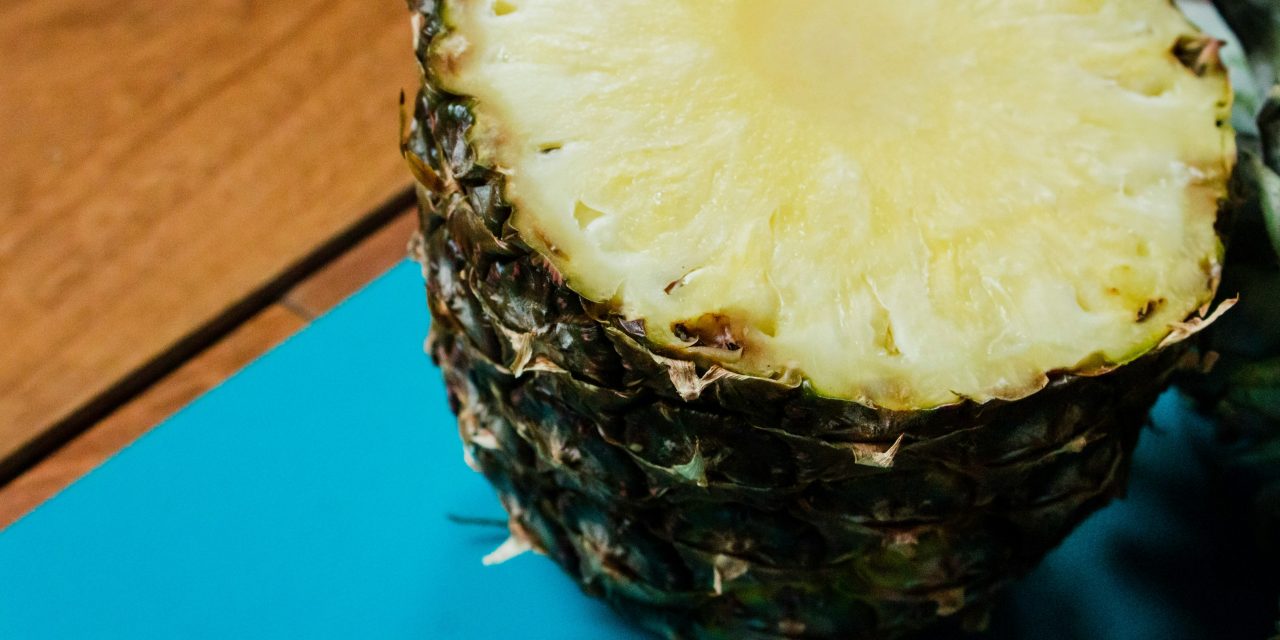
Pineapples are not only a tropical delight but also a nutritional powerhouse, rich in vitamins, minerals, and enzymes such as bromelain, which aids digestion. However, the unique structure of this fruit makes it susceptible to spoilage if not stored correctly. Proper storage is crucial to maintain its flavor, texture, and nutritional value. When exposed to air, light, and moisture, cut pineapple can quickly lose its freshness and become unpalatable. Understanding the importance of proper storage techniques can significantly extend the shelf life of this delectable fruit.
Moreover, improper storage can lead to food waste, which is a significant concern in today’s society. According to the Food and Agriculture Organization (FAO), approximately one-third of all food produced globally is wasted. By learning how to store pineapples effectively, consumers can contribute to reducing this statistic while enjoying the full benefits of this tropical fruit. The right storage methods not only preserve the fruit’s quality but also enhance its versatility in culinary applications.
Preparing Your Pineapple for Storage
Before storing a pineapple, it is essential to prepare it properly to ensure maximum freshness. Start by selecting a ripe pineapple; look for a firm exterior with a sweet aroma emanating from the base. Once you have chosen your pineapple, wash it thoroughly under running water to remove any dirt or pesticide residues. This step is crucial as it minimizes the risk of contamination during storage.
After washing, cut the pineapple into desired shapes—whether rings, chunks, or spears—depending on how you plan to use it later. Use a sharp knife to slice off the crown and base, then carefully remove the skin while avoiding excessive waste of the flesh. Once cut, it is advisable to consume or store the pineapple promptly to prevent oxidation and spoilage. The preparation stage is vital as it sets the foundation for effective storage and prolongs the fruit’s shelf life.
Choosing the Right Container for Cut Pineapple

Selecting an appropriate container for storing cut pineapple is paramount in maintaining its freshness. Glass containers are often preferred due to their non-reactive nature and ability to create an airtight seal. They do not impart any flavors or odors to the fruit, ensuring that the pineapple retains its natural taste. Additionally, glass containers are easy to clean and can be reused multiple times, making them an environmentally friendly option.
Alternatively, high-quality plastic containers can also be effective for storage. When choosing plastic options, ensure they are BPA-free and designed for food storage. Look for containers with tight-fitting lids that minimize air exposure. The choice of container plays a significant role in preventing moisture loss and maintaining the fruit’s crisp texture. Regardless of the material chosen, ensure that the container is clean and dry before placing the cut pineapple inside.
Refrigeration: Best Practices for Freshness

Refrigeration is one of the most effective methods for preserving cut pineapple’s freshness. The ideal temperature for storing cut pineapple is between 32°F and 36°F (0°C to 2°C). At these temperatures, enzymatic activity slows down significantly, reducing spoilage rates. Place the prepared pineapple in an airtight container or wrap it tightly in plastic wrap before placing it in the refrigerator.
It is essential to store cut pineapple away from ethylene-producing fruits such as bananas and apples, as ethylene gas can accelerate ripening and spoilage. Additionally, avoid placing cut pineapple in areas of the refrigerator that experience frequent temperature fluctuations, such as the door. Instead, opt for a stable environment within the main compartment where temperatures remain consistent. Following these best practices will help maintain the fruit’s quality for an extended period.
Using Airtight Containers to Extend Shelf Life
Airtight containers are invaluable when it comes to extending the shelf life of cut pineapple. These containers create a barrier against air exposure, which is one of the primary causes of oxidation and spoilage. When using airtight containers, ensure that they are filled adequately with cut pineapple to minimize air pockets inside. This practice further reduces oxidation and helps retain moisture within the fruit.
In addition to preventing spoilage, airtight containers also help maintain the pineapple’s texture and flavor profile. The sealed environment prevents moisture loss, ensuring that the fruit remains juicy and crisp for longer periods. For optimal results, consider labeling containers with dates to keep track of freshness and consumption timelines. By utilizing airtight containers effectively, consumers can enjoy their cut pineapple at its best quality for days.
Storing Pineapple in Plastic Wrap or Foil
If airtight containers are not available, plastic wrap or aluminum foil can serve as alternative storage solutions for cut pineapple. When using plastic wrap, ensure that it is tightly wrapped around the fruit to minimize air exposure effectively. This method helps retain moisture while preventing oxidation that can lead to browning and spoilage.
Aluminum foil can also be used as a temporary solution; however, it may not provide as tight a seal as plastic wrap. When wrapping cut pineapple in foil, ensure that it is securely covered to limit air contact. While these methods may not be as effective as airtight containers in extending shelf life, they can still provide short-term solutions for preserving freshness until more permanent storage options are available.
Freezing Pineapple: When and How to Do It
Freezing is an excellent option for preserving cut pineapple when you have excess fruit that you cannot consume in time. Freezing halts enzymatic activity and prevents spoilage while retaining most of the fruit’s nutritional value. To freeze pineapple effectively, start by cutting it into uniform pieces—this ensures even freezing and easier portioning later on.
Before placing cut pineapple in the freezer, consider blanching it briefly in boiling water for about 1-2 minutes. This process helps preserve color and texture during freezing. After blanching, cool the pieces rapidly in ice water before draining them thoroughly. Spread the cut pineapple on a baking sheet lined with parchment paper in a single layer and freeze until solid—this prevents clumping during storage.
Once frozen solid, transfer the pineapple pieces into freezer-safe bags or airtight containers, removing as much air as possible before sealing. Label each container with the date of freezing for reference. Frozen pineapple can last up to 10-12 months in optimal conditions while retaining its flavor and nutritional benefits.
Tips for Avoiding Pineapple Oxidation
Oxidation is a natural process that occurs when cut fruits are exposed to air, leading to browning and loss of flavor. To minimize oxidation in cut pineapple, consider applying lemon juice or another acidic solution immediately after cutting. The citric acid in lemon juice acts as a natural preservative by slowing down enzymatic reactions responsible for browning.
Another effective method is to store cut pineapple submerged in water within an airtight container; this limits air exposure significantly. However, be cautious not to soak it for too long as prolonged exposure to water can affect texture and flavor negatively. Additionally, keeping cut pineapple refrigerated promptly after preparation will help slow down oxidation rates significantly.
How Long Can Cut Pineapple Be Stored Safely?
The safe storage duration for cut pineapple largely depends on how well it has been prepared and stored. When kept in an airtight container within the refrigerator at optimal temperatures (32°F – 36°F), cut pineapple can remain fresh for approximately 3-5 days. However, if stored improperly or exposed to air frequently, spoilage may occur sooner.
For frozen pineapple, when stored correctly in freezer-safe bags or containers with minimal air exposure, it can last up to 10-12 months without significant loss of quality or flavor. It is essential to monitor stored pineapple regularly for any signs of spoilage or changes in texture or aroma.
Signs Your Stored Pineapple Has Gone Bad
Recognizing signs of spoilage in stored pineapple is crucial for food safety and quality assurance. Common indicators include an off-putting odor that deviates from its natural sweetness; this may suggest fermentation or decay has begun. Additionally, if you notice significant discoloration or browning on the surface of the fruit, it may indicate oxidation has progressed beyond acceptable levels.
Texture changes are also telling signs; fresh pineapple should be firm and juicy rather than mushy or slimy. If you encounter any signs of mold growth on the surface or within the container, discard the fruit immediately as consuming spoiled produce can lead to foodborne illnesses.
Creative Uses for Leftover Cut Pineapple
Leftover cut pineapple presents numerous culinary opportunities beyond mere snacking. One popular option is incorporating it into smoothies; blending frozen chunks with yogurt or other fruits creates a refreshing beverage packed with nutrients. Additionally, grilled pineapple makes an excellent addition to savory dishes such as tacos or salads; its natural sweetness complements various flavors beautifully.
Another creative use involves baking; adding diced pineapple into muffins or cakes infuses them with moisture and tropical flair. For those seeking savory options, consider using leftover pineapple in stir-fries or salsas—its unique flavor profile enhances many dishes while providing essential vitamins and minerals.
In summary, proper storage techniques are vital for maintaining the freshness and quality of cut pineapples while minimizing waste. By preparing pineapples correctly and utilizing appropriate containers—such as airtight options—consumers can extend their shelf life significantly. Refrigeration practices play a crucial role in preserving flavor and texture while freezing offers long-term preservation solutions when necessary. Recognizing signs of spoilage ensures food safety while exploring creative culinary uses allows individuals to enjoy this tropical delight fully.
FAQs
How should I store cut pineapple in the refrigerator?
Cut pineapple should be stored in an airtight container or a resealable plastic bag to prevent it from absorbing odors and moisture from other foods. Make sure to remove as much air as possible before sealing the container or bag. This will help maintain its freshness and flavor.
How long can cut pineapple be stored in the fridge?
Cut pineapple can typically be stored in the refrigerator for about 3 to 5 days. After this period, it may start to lose its texture and flavor, so it’s best to consume it within this timeframe for optimal taste and quality.
Can I freeze cut pineapple for later use?
Yes, you can freeze cut pineapple. To do so, place the pieces in a single layer on a baking sheet and freeze them for a few hours until solid. Then, transfer the frozen pieces to an airtight container or freezer bag. Frozen pineapple can last for about 6 to 12 months in the freezer.
What is the best way to thaw frozen pineapple?
The best way to thaw frozen pineapple is to transfer it from the freezer to the refrigerator and let it thaw overnight. If you need it thawed more quickly, you can place the sealed bag under cold running water for about 30 minutes. Avoid using a microwave, as it can make the pineapple mushy.
How can I tell if cut pineapple has gone bad?
Cut pineapple that has gone bad may exhibit signs such as an off smell, a slimy texture, or discoloration. If the pineapple has developed mold or an unusual taste, it is best to discard it. Always check for these signs before consuming stored pineapple.