Mushrooms are a culinary delight, prized for their unique flavors and textures. However, their delicate nature makes them susceptible to moisture-related issues. The moisture content in mushrooms can significantly influence their shelf life and overall quality. Fresh mushrooms typically contain about 90% water, which makes them prone to spoilage if not stored correctly. Excess moisture can lead to the growth of bacteria and mold, resulting in a rapid decline in freshness and edibility.
Understanding the balance of moisture is crucial for maintaining the integrity of mushrooms. When mushrooms are stored in environments with high humidity, they can become slimy and develop an unpleasant odor. Conversely, if they are stored in excessively dry conditions, they may shrivel and lose their desirable texture. Therefore, achieving the right moisture balance is essential for prolonging the shelf life of these fungi while preserving their culinary qualities.
Choosing the Right Mushrooms for Storage
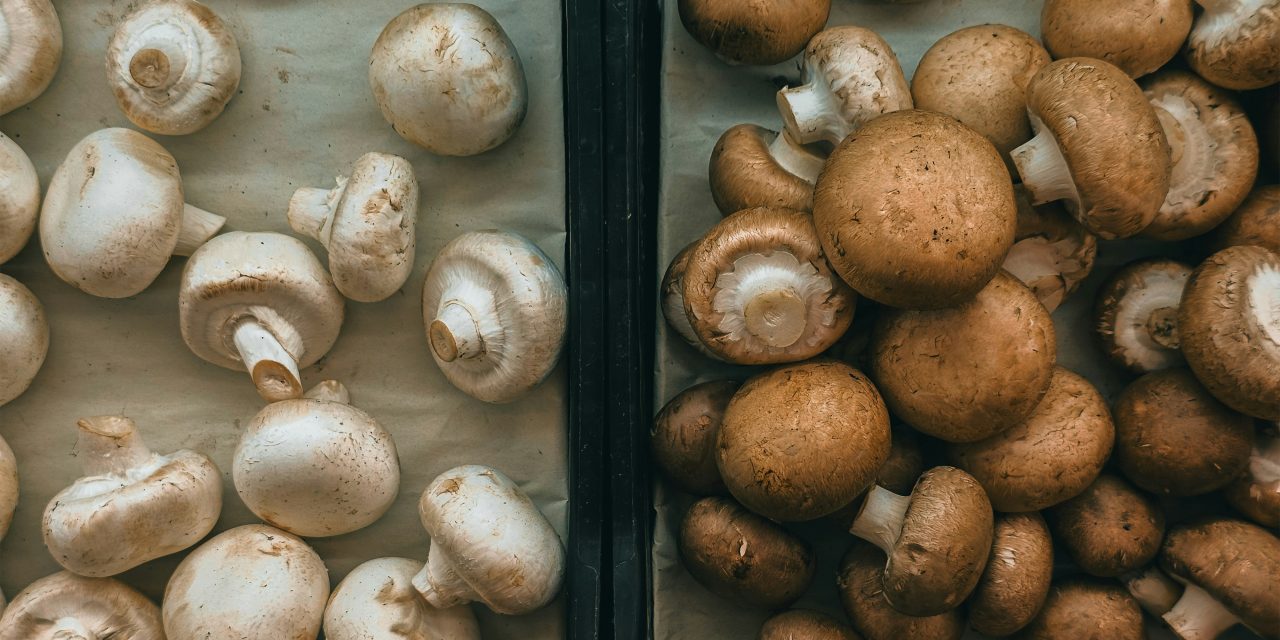
Selecting the appropriate type of mushrooms for storage is fundamental to ensuring longevity and flavor retention. Common varieties such as Agaricus bisporus (button mushrooms), Pleurotus ostreatus (oyster mushrooms), and Lentinula edodes (shiitake mushrooms) each have unique storage requirements. Button mushrooms, for instance, are more resilient and can last longer than delicate varieties like enoki mushrooms.
When purchasing mushrooms, it is vital to inspect them for freshness. Look for firm caps, unblemished surfaces, and a pleasant earthy aroma. Avoid mushrooms that exhibit signs of wilting, discoloration, or excessive moisture on their surfaces. By choosing high-quality specimens, you set the foundation for effective storage practices that will enhance their longevity.
Avoid Washing Mushrooms Before Storing

One common misconception among home cooks is that washing mushrooms before storage is beneficial. In reality, this practice can introduce excess moisture that accelerates spoilage. Mushrooms are porous and absorb water easily; therefore, washing them can lead to a soggy texture and promote bacterial growth. Instead of rinsing, it is advisable to gently brush off any dirt using a soft brush or a dry cloth.
If you must clean mushrooms due to significant dirt accumulation, do so just before cooking rather than before storage. This approach minimizes moisture retention and helps maintain the mushrooms’ structural integrity during storage. By avoiding pre-storage washing, you can significantly extend the shelf life of your mushrooms while preserving their flavor and texture.
Using Paper Towels to Absorb Excess Moisture

Incorporating paper towels into your mushroom storage routine can be an effective strategy for managing moisture levels. Paper towels are excellent at absorbing excess humidity, which helps prevent spoilage. When storing mushrooms, consider placing a layer of paper towels at the bottom of your storage container or bag. This will help wick away any moisture that may accumulate over time.
Additionally, wrapping individual mushrooms in paper towels can provide an extra layer of protection against moisture buildup. This method allows for air circulation while keeping the mushrooms dry. Regularly replacing damp paper towels with fresh ones can further enhance the effectiveness of this technique, ensuring that your mushrooms remain fresh for an extended period.
Storing Mushrooms in a Paper Bag
Using a paper bag for mushroom storage is one of the most effective methods to maintain freshness. Unlike plastic bags, which trap moisture and create a humid environment, paper bags allow for proper ventilation. This airflow helps prevent condensation from forming inside the bag, reducing the risk of spoilage.
When storing mushrooms in a paper bag, ensure that they are not overcrowded. Overcrowding can lead to bruising and increased moisture retention. Instead, arrange them in a single layer if possible or stack them gently to minimize damage. By utilizing this simple yet effective storage method, you can significantly prolong the shelf life of your mushrooms while preserving their quality.
Avoiding Plastic Bags and Airtight Containers
Plastic bags and airtight containers may seem like convenient options for storing mushrooms; however, they can create an environment conducive to spoilage. The lack of airflow in these containers traps moisture, leading to slimy textures and accelerated decay. Mushrooms thrive in environments with some level of humidity but require adequate ventilation to prevent excess moisture buildup.
Instead of using plastic bags or airtight containers, opt for breathable materials such as paper bags or mesh containers. These alternatives allow for proper air circulation while still providing some protection against external elements. By avoiding plastic and airtight options, you can maintain the freshness and quality of your mushrooms for a longer duration.
Optimal Refrigerator Temperature for Mushroom Storage
The refrigerator temperature plays a crucial role in preserving the quality of stored mushrooms. Ideally, mushrooms should be stored at temperatures between 34°F (1°C) and 38°F (3°C). This temperature range slows down enzymatic activity and microbial growth, extending the shelf life of these delicate fungi.
To ensure optimal storage conditions, place mushrooms in the main compartment of the refrigerator rather than the crisper drawer, which tends to be more humid. Additionally, avoid placing them near ethylene-producing fruits such as apples and bananas, as ethylene gas can accelerate ripening and spoilage in mushrooms. By maintaining the right temperature and avoiding ethylene exposure, you can significantly enhance the longevity of your mushroom stash.
Using a Mesh Container or Ventilated Box
For those seeking an innovative approach to mushroom storage, utilizing a mesh container or ventilated box can be highly effective. These containers promote airflow while providing protection against external contaminants. The design allows excess moisture to escape while preventing dehydration, striking an ideal balance for mushroom preservation.
When using a mesh container or ventilated box, ensure that it is clean and dry before placing your mushrooms inside. Arrange them loosely to allow for adequate airflow around each specimen. This method not only helps maintain freshness but also minimizes the risk of bruising or damage during storage.
How to Layer Mushrooms Properly for Storage
Proper layering techniques can significantly impact mushroom storage outcomes. When stacking mushrooms in a container or bag, it is essential to avoid overcrowding to prevent bruising and moisture retention. Instead of piling them haphazardly, consider using layers of paper towels or parchment paper between each layer of mushrooms.
This layering technique provides cushioning while allowing air circulation around each mushroom. Additionally, it helps absorb any excess moisture that may accumulate during storage. By implementing this method, you can ensure that your mushrooms remain fresh and flavorful for an extended period.
Checking and Refreshing Stored Mushrooms Regularly
Regularly checking on stored mushrooms is vital for maintaining their quality over time. Inspect them every few days for signs of spoilage such as sliminess or discoloration. If you notice any compromised specimens, remove them immediately to prevent contamination of the remaining mushrooms.
Refreshing your storage setup is equally important; replace damp paper towels or clean out any accumulated moisture from containers regularly. This proactive approach helps maintain optimal conditions for your stored mushrooms and ensures that they remain fresh and flavorful throughout their shelf life.
Tips for Freezing Mushrooms Without Losing Texture
Freezing mushrooms can be an excellent way to preserve their flavor and nutritional value for extended periods; however, improper freezing techniques can lead to undesirable texture changes upon thawing. To freeze mushrooms effectively without compromising their quality, it is essential to blanch them first.
Blanching involves briefly boiling the mushrooms in water followed by rapid cooling in ice water. This process helps deactivate enzymes that cause deterioration during freezing while preserving color and texture. After blanching, drain the mushrooms thoroughly before placing them in airtight freezer bags or containers.
When freezing, ensure that you remove as much air as possible from the bags or containers to prevent freezer burn. Label each package with the date to keep track of freshness; frozen mushrooms can last up to 12 months when stored correctly.
In summary, understanding mushroom moisture management is crucial for maintaining their quality during storage. Selecting fresh varieties, avoiding washing before storage, utilizing paper towels and breathable containers are all effective strategies for prolonging shelf life. Maintaining optimal refrigerator temperatures and regularly checking stored specimens further enhances freshness while freezing techniques ensure long-term preservation without sacrificing texture or flavor. By implementing these practices, you can enjoy delicious mushrooms at their best for longer periods.
FAQs
What is the best way to store fresh mushrooms?
The best way to store fresh mushrooms is to keep them in a paper bag in the refrigerator. This allows for proper air circulation and helps absorb excess moisture, preventing them from becoming slimy.
Should mushrooms be washed before storing?
It is generally recommended not to wash mushrooms before storing them, as moisture can lead to sliminess. Instead, brush off any dirt with a dry cloth or a soft brush, and wash them just before use.
How long can mushrooms be stored in the refrigerator?
Fresh mushrooms can typically be stored in the refrigerator for about 5 to 7 days. However, it’s best to check them regularly for any signs of spoilage, such as sliminess or an off smell.
Can mushrooms be frozen for long-term storage?
Yes, mushrooms can be frozen for long-term storage, but they should be cooked first. Blanching or sautéing them before freezing helps preserve their texture and flavor, preventing them from becoming mushy when thawed.
What are some signs that mushrooms have gone bad?
Signs that mushrooms have gone bad include a slimy texture, dark spots, a strong odor, or a shriveled appearance. If you notice any of these signs, it’s best to discard the mushrooms to avoid foodborne illness.