Matting behind a dog’s ears is a common issue that can arise from various factors. One primary cause is the accumulation of moisture, which can lead to tangles and knots in the fur. Dogs with floppy ears, such as Cocker Spaniels or Basset Hounds, are particularly susceptible to this problem due to the way their ears trap moisture and debris. Additionally, the natural oils produced by a dog’s skin can contribute to matting when mixed with dirt and dead hair, creating a sticky environment that encourages tangling.
Another significant factor is the dog’s activity level. Dogs that engage in vigorous play or outdoor adventures may encounter elements like grass, mud, and twigs that can easily become entangled in their fur. Furthermore, certain breeds with longer or thicker coats are more prone to matting due to their hair’s texture and growth patterns. Understanding these causes is crucial for pet owners to implement effective grooming strategies and maintain their dog’s coat health.
Importance of Regular Grooming Sessions
Regular grooming sessions are essential for maintaining a dog’s overall health and well-being. Grooming not only helps prevent matting but also allows for the early detection of skin issues, parasites, or other health concerns. By establishing a consistent grooming routine, pet owners can ensure that their dog’s coat remains clean, healthy, and free from tangles. This proactive approach can significantly reduce the risk of skin irritations and infections that may arise from neglected grooming.
Moreover, grooming serves as an excellent bonding experience between the dog and its owner. The process of brushing, bathing, and caring for a dog’s coat can strengthen the emotional connection and trust between them. Regular grooming also provides an opportunity for pet owners to check for any abnormalities, such as lumps or bumps, which may require veterinary attention. Overall, prioritizing grooming sessions is vital for both physical health and emotional well-being.
Choosing the Right Brush for Your Dog’s Coat Type

Selecting the appropriate brush for your dog’s coat type is crucial in preventing matting and ensuring effective grooming. Different coat types require specific tools to achieve optimal results. For instance, dogs with long, flowing coats benefit from slicker brushes or pin brushes that can penetrate deep into the fur and remove tangles without causing discomfort. Conversely, short-haired breeds may require bristle brushes or rubber grooming mitts that effectively remove loose hair while stimulating the skin.
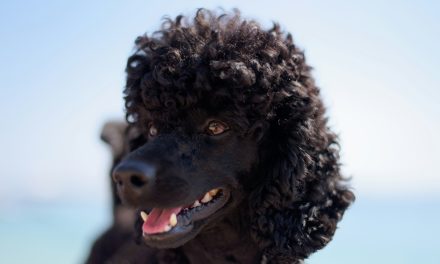
Additionally, dogs with curly or wiry coats necessitate specialized tools such as combs designed for detangling. These combs often feature wide teeth to gently separate curls without causing breakage. Understanding your dog’s unique coat characteristics will enable you to choose the right grooming tools, making the process more efficient and enjoyable for both you and your furry companion.
How to Properly Detangle Hair Behind the Ears

Detangling hair behind a dog’s ears requires patience and a gentle touch to avoid causing pain or discomfort. Begin by using your fingers to separate any visible tangles before introducing a brush or comb. This initial step helps to loosen knots without pulling on the hair too harshly. Once you have separated the tangles, use a slicker brush or a wide-toothed comb to work through the area gradually.
Start at the tips of the hair and work your way up towards the roots, applying minimal pressure to avoid tugging on the skin. If you encounter particularly stubborn knots, consider using a detangling spray formulated specifically for pets. These sprays can help soften the hair and make it easier to manage. Always reward your dog with treats or praise during this process to create a positive association with grooming.
Bathing Tips to Keep Fur Clean and Mat-Free
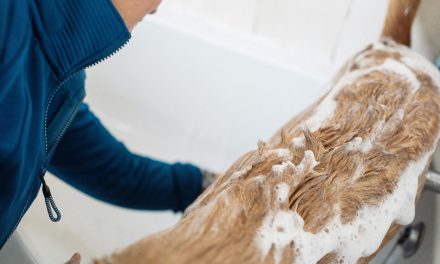
Bathing your dog is an integral part of maintaining a clean and mat-free coat. However, it is essential to use the right techniques to ensure that bathing does not contribute to matting. Begin by thoroughly brushing your dog before bathing to remove loose hair and tangles. This step will prevent mats from forming when wet fur clumps together during washing.
When bathing, use lukewarm water and a high-quality dog shampoo that suits your pet’s skin type. Avoid getting water directly into your dog’s ears, as moisture can exacerbate matting in that area. After rinsing thoroughly, gently towel-dry your dog to remove excess moisture before proceeding with brushing again. This practice helps prevent mats from forming as the fur dries.
Using Conditioner to Soften Fur and Prevent Knots
Incorporating conditioner into your dog’s grooming routine can significantly enhance coat manageability and reduce the likelihood of knots forming. A quality dog conditioner helps soften the fur, making it easier to brush through tangles without causing discomfort. Look for conditioners specifically formulated for dogs, as human products may contain ingredients that could irritate their skin.
After shampooing, apply conditioner evenly throughout your dog’s coat, focusing on areas prone to matting, such as behind the ears. Allow the conditioner to sit for a few minutes before rinsing thoroughly. This additional step not only promotes a healthier coat but also leaves it smelling fresh and clean.
Trimming Techniques to Reduce Excess Hair
Regular trimming is an effective method for managing excess hair around your dog’s ears and preventing matting. Using sharp grooming scissors or clippers designed for pets can help maintain a neat appearance while reducing tangles. Focus on trimming any long hairs that may hang down over the ears or accumulate in areas prone to matting.
When trimming, be cautious not to cut too close to the skin, as this can lead to nicks or irritation. It is advisable to use blunt-tipped scissors when working near sensitive areas like the ears to minimize injury risk. If you are unsure about trimming techniques, consider consulting a professional groomer who can provide guidance tailored to your dog’s specific needs.
Checking for Skin Irritations and Infections
Regular grooming sessions provide an excellent opportunity for pet owners to inspect their dog’s skin for any signs of irritation or infection. Areas behind the ears are particularly susceptible due to moisture accumulation and friction from ear movement. Look for redness, swelling, or unusual odors that may indicate an underlying issue.
If you notice any abnormalities during grooming, it is essential to consult a veterinarian promptly. Skin infections can escalate quickly if left untreated, leading to discomfort for your dog and potentially requiring more extensive medical intervention. Early detection is key in ensuring your pet’s health remains uncompromised.
Keeping Your Dog’s Environment Clean and Dry
Maintaining a clean and dry environment is crucial in preventing matting behind your dog’s ears. Regularly cleaning bedding, toys, and living spaces helps minimize dirt accumulation that can contribute to tangling in your dog’s fur. Additionally, ensuring that your dog has a designated area free from moisture will help keep their coat dry.
After outdoor activities, particularly in wet conditions, it is advisable to dry your dog thoroughly before allowing them back inside. This practice not only prevents matting but also reduces the risk of skin infections caused by damp fur. A clean environment combined with proper grooming techniques will significantly enhance your dog’s coat health.
When to Seek Professional Grooming Help
While many pet owners can manage basic grooming tasks at home, there are instances when seeking professional help becomes necessary. If your dog has developed severe matting that cannot be easily detangled at home or if you are unsure about proper trimming techniques, consulting a professional groomer is advisable.
Professional groomers possess specialized training and tools designed for handling various coat types and conditions effectively. They can provide services such as de-shedding treatments or specialized cuts tailored to your dog’s breed requirements. Additionally, they can offer valuable advice on maintaining your dog’s coat between grooming sessions.
Establishing a Consistent Grooming Routine for Long-Term Care
Establishing a consistent grooming routine is vital for long-term care of your dog’s coat health. Aim for regular brushing sessions at least once a week, increasing frequency during shedding seasons or if your dog has a longer coat type prone to tangling. Incorporating bathing every four to six weeks will help maintain cleanliness while preventing matting.
Additionally, consider scheduling professional grooming appointments every few months for thorough maintenance and expert care. By committing to a consistent grooming routine, pet owners can ensure their dogs remain comfortable, healthy, and free from matting issues throughout their lives.
In summary, understanding the causes of matting behind your dog’s ears is essential for effective prevention and treatment strategies. Regular grooming sessions play a crucial role in maintaining coat health while choosing appropriate brushes tailored to coat types enhances efficiency during grooming tasks. Proper detangling techniques combined with bathing tips and conditioning treatments contribute significantly to preventing knots and maintaining cleanliness.
Moreover, regular checks for skin irritations ensure early detection of potential health issues while keeping your dog’s environment clean minimizes risks associated with moisture accumulation. Seeking professional help when necessary ensures optimal care while establishing a consistent grooming routine fosters long-term health benefits for your furry companion.
### FAQ Section
1. **How often should I groom my dog?**
– It depends on the breed and coat type; generally, long-haired breeds require more frequent grooming (at least once a week), while short-haired breeds may need less frequent sessions (every few weeks).
2. **What tools do I need for grooming?**
– Essential tools include brushes (slicker brushes for long coats), combs (wide-toothed for detangling), scissors (for trimming), and shampoos/conditioners formulated specifically for dogs.
3. **Can I use human shampoo on my dog?**
– No, human shampoos may contain ingredients harmful to dogs; always use products specifically designed for canine use.
4. **What should I do if my dog has severe matting?**
– If mats are severe and cannot be removed easily at home, seek assistance from a professional groomer who has experience dealing with matted coats.
5. **How can I prevent my dog from getting mats?**
– Regular brushing, maintaining cleanliness in their environment, using conditioners after baths, and keeping their fur trimmed will help prevent mats from forming.
6. **What signs indicate my dog may have skin infections?**
– Look for redness, swelling, unusual odors, excessive scratching or licking at specific areas; consult a veterinarian if you notice these signs.
7. **Is it necessary to bathe my dog frequently?**
– Bathing frequency varies by breed; generally every four to six weeks is sufficient unless they get particularly dirty or smelly.
8. **Can I use detangling sprays meant for humans?**
– It’s best to use products specifically formulated for dogs as human products may irritate their skin or coat.
9. **What should I do if my dog resists grooming?**
– Gradually introduce grooming sessions using positive reinforcement techniques such as treats or praise; make it a fun experience rather than a chore.
10. **How do I know if my dog needs professional grooming?**
– If you notice persistent mats despite regular brushing or if you’re unsure about how to handle specific grooming tasks safely, it’s time to consult a professional groomer.
By following these guidelines and understanding the importance of proper grooming techniques, pet owners can ensure their dogs remain healthy and happy while minimizing issues related to matting behind their ears.
FAQs
What causes matting behind a dog’s ears?
Matting behind a dog’s ears is often caused by a combination of factors including moisture, dirt, and lack of regular grooming. The area can trap debris and moisture, especially in breeds with longer fur, leading to tangles and mats forming.
How often should I groom my dog to prevent matting?
To prevent matting, it is recommended to groom your dog at least once a week. However, dogs with longer or thicker coats may require more frequent grooming, such as every few days, to keep their fur tangle-free.
What tools are best for preventing matting behind the ears?
Effective tools for preventing matting include a slicker brush, a comb with wide and narrow teeth, and dematting tools. These tools help to remove tangles and prevent mats from forming in sensitive areas like behind the ears.
Can I use any products to help prevent matting?
Yes, there are various grooming products available that can help prevent matting. Leave-in conditioners, detangling sprays, and coat oils can make the fur easier to manage and reduce the likelihood of mats forming.
What should I do if my dog already has mats behind their ears?
If your dog already has mats behind their ears, it is best to carefully use a dematting tool or a comb to gently work through the tangles. In severe cases, it may be necessary to seek professional grooming assistance to avoid hurting your dog.