Olive oil, a staple in Mediterranean cuisine, is renowned for its health benefits and culinary versatility. However, like all food products, it has a finite shelf life that can significantly affect its flavor, aroma, and nutritional value. Understanding the longevity of olive oil is crucial for both consumers and culinary professionals who wish to maximize the quality of their dishes. The shelf life of olive oil can vary widely based on several factors, including the type of olive oil, its production methods, and how it is stored.
The primary components of olive oil—fatty acids, antioxidants, and volatile compounds—are sensitive to environmental conditions. Over time, exposure to light, heat, and air can lead to oxidation, resulting in rancidity. This degradation not only diminishes the oil’s sensory attributes but can also reduce its health-promoting properties. Therefore, it is essential to be informed about the factors that influence olive oil longevity and how to properly store it to maintain its quality.
Factors Affecting Olive Oil Longevity
Several key factors play a pivotal role in determining the shelf life of olive oil. First and foremost is the type of olive oil itself. Extra virgin olive oil (EVOO), which is derived from the first pressing of olives and contains minimal processing, typically has a longer shelf life compared to refined olive oils. The high levels of antioxidants in EVOO help protect it from oxidative damage, allowing it to retain its quality for a more extended period.
Another significant factor is the quality of the olives used in production. Olives harvested at their peak ripeness and processed quickly tend to yield oils with superior stability. Additionally, the presence of polyphenols—natural compounds found in olives—contributes to the oil’s resistance to rancidity. The extraction method also influences longevity; cold-pressed oils generally have a longer shelf life than those extracted using heat or chemicals.
Typical Expiration Dates for Olive Oil

The expiration date of olive oil can vary based on several factors, including production date and storage conditions. Generally, unopened bottles of high-quality extra virgin olive oil can last between 18 months to 2 years from the bottling date when stored properly. Once opened, however, the oil should ideally be consumed within six months to a year for optimal freshness.
It is important to note that while olive oil may not become harmful after its expiration date, its flavor profile and health benefits may significantly diminish. Consumers should always check for a harvest or bottling date on the label rather than relying solely on a “best by” date. This practice ensures that they are purchasing fresher products that will provide the best culinary experience.
How Storage Conditions Influence Olive Oil Freshness

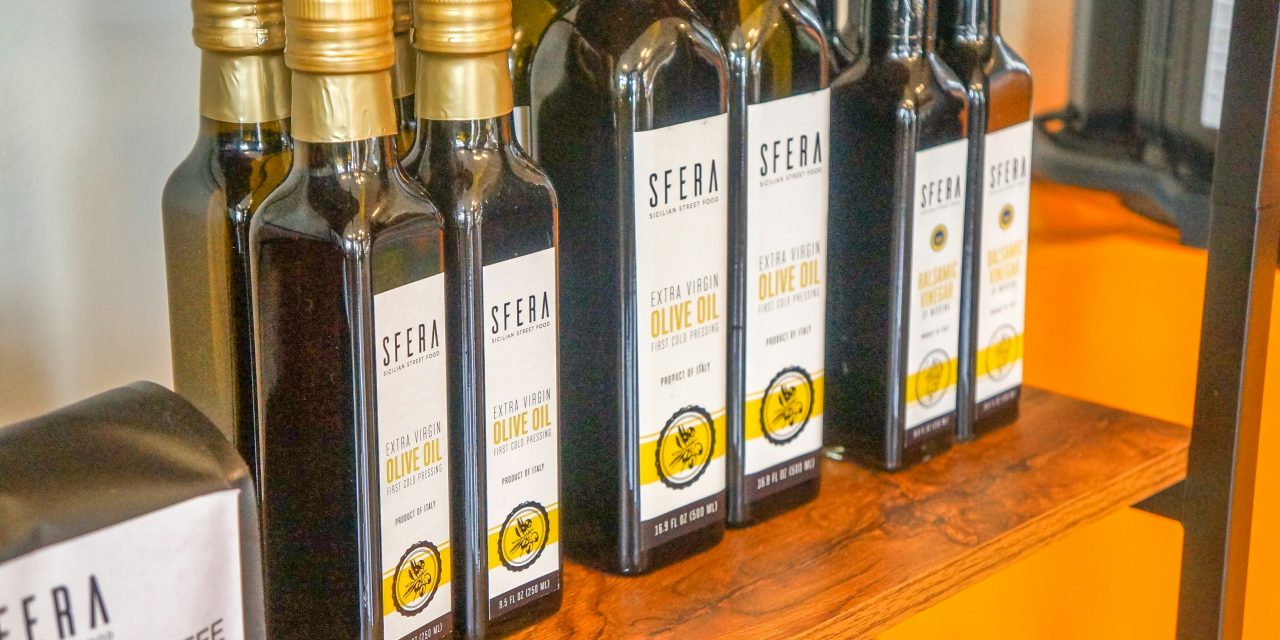
Storage conditions are critical in preserving the quality of olive oil. Exposure to light is one of the most detrimental factors; ultraviolet rays can accelerate oxidation and lead to rancidity. Therefore, it is advisable to store olive oil in dark glass bottles or opaque containers that shield it from light exposure.
Temperature also plays a vital role in maintaining freshness. Olive oil should ideally be stored in a cool environment, away from heat sources such as stoves or direct sunlight. The optimal storage temperature ranges between 60°F to 75°F (15°C to 24°C). Extreme temperatures can cause chemical reactions that degrade the oil’s quality over time.
Signs That Olive Oil Has Gone Rancid
Recognizing when olive oil has gone rancid is essential for ensuring both safety and flavor in culinary applications. One of the most apparent signs is a change in aroma; fresh olive oil typically has a fruity, grassy scent, while rancid oil emits a stale or waxy odor. This olfactory change indicates that oxidation has occurred.
Additionally, rancid olive oil may exhibit changes in flavor. A fresh product should have a balanced taste with peppery or fruity notes, while spoiled oil often tastes bitter or flat. It is crucial for consumers to be vigilant about these sensory indicators to avoid using compromised products in their cooking.
Visual Indicators of Olive Oil Spoilage
Visual cues can also provide insight into the freshness of olive oil. A clear, vibrant color is characteristic of high-quality olive oil; however, if the oil appears cloudy or has sediment floating within it, this may indicate spoilage or contamination. While some cloudiness can occur due to temperature fluctuations, persistent turbidity is often a sign that the oil has degraded.
Another visual indicator is the presence of an unusual film or residue on the surface of the oil. This can suggest microbial growth or spoilage due to improper storage conditions. Consumers should always inspect their olive oil visually before use to ensure its quality.
Smell Tests for Detecting Rancid Olive Oil
Conducting a smell test is one of the simplest methods for assessing olive oil freshness. To perform this test effectively, pour a small amount of olive oil into a clean glass and cover it with your palm for about 30 seconds. This process allows the aromas to concentrate before you take a deep inhale.
Fresh olive oil should evoke pleasant scents reminiscent of fresh olives, grass, or herbs. If you detect any off-putting odors such as mustiness or rancidity, it is advisable to discard the oil. Regularly performing this smell test can help consumers maintain high standards in their culinary practices.
Taste Testing: How to Identify Off-Flavors
Taste testing is another effective method for determining whether olive oil has gone rancid. To conduct this test, take a small sip of the oil and allow it to coat your palate before swallowing. Fresh olive oil should have a harmonious balance of flavors—fruity notes complemented by a slight peppery finish.
If you experience an unpleasant aftertaste or bitterness that lingers excessively, this may indicate spoilage. Rancid oils often lack complexity and may taste flat or stale. Engaging in regular taste tests can help consumers develop their palate and recognize quality oils.
Best Practices for Storing Olive Oil to Extend Shelf Life
To maximize the shelf life of olive oil, several best practices should be followed. First and foremost, always store olive oil in a cool, dark place away from heat sources and direct sunlight. A pantry or cupboard is ideal for maintaining stable temperatures.
Using smaller containers can also help minimize exposure to air each time you open the bottle. If you purchase larger quantities of olive oil, consider transferring some into smaller bottles for daily use while keeping the larger container sealed until needed.
Additionally, ensure that the cap is tightly sealed after each use to limit air exposure. Avoid using metal utensils when pouring from the bottle; instead, opt for glass or ceramic tools that do not react with the oil.
What to Do with Rancid Olive Oil
When faced with rancid olive oil, it is essential not to consume it due to potential adverse effects on health and flavor profiles in cooking. Instead, consider repurposing it creatively; rancid olive oil can be used as an ingredient in homemade soap or as a lubricant for squeaky hinges.
Alternatively, if you have access to composting facilities, rancid oils can be added to compost piles in moderation as they can contribute beneficial nutrients over time. However, avoid pouring rancid oils down drains as they can cause plumbing issues and environmental harm.
Maximizing Olive Oil Quality and Safety
In conclusion, understanding the shelf life of olive oil is vital for both culinary enthusiasts and health-conscious consumers alike. By recognizing factors that influence longevity—such as type, quality, and storage conditions—individuals can make informed decisions about their purchases and usage.
Implementing best practices for storage will significantly extend the freshness and quality of olive oil while being vigilant about signs of spoilage will ensure safety in culinary applications. By prioritizing these considerations, consumers can enjoy the full spectrum of flavors and health benefits that high-quality olive oil has to offer while minimizing waste and maximizing satisfaction in their culinary endeavors.
FAQs
How long does olive oil last once opened?
Once opened, olive oil typically lasts about 6 to 12 months if stored properly. Factors such as exposure to light, heat, and air can accelerate its degradation, so it’s best to keep it in a cool, dark place and tightly sealed.
What is the shelf life of unopened olive oil?
Unopened olive oil can last for 18 to 24 months from the date of bottling. However, it’s important to check the expiration date on the bottle, as the quality may diminish over time even if it hasn’t been opened.
How can you tell if olive oil is rancid?
Rancid olive oil often has an off smell, resembling crayons or putty, and may taste bitter or stale. A fresh olive oil should have a fruity, peppery aroma and a pleasant taste. If you notice any unusual odors or flavors, it’s best to discard it.
Does olive oil go bad if not refrigerated?
Olive oil does not need to be refrigerated, but it should be stored in a cool, dark place to maintain its quality. While refrigeration can extend its shelf life, it may cause the oil to become cloudy or solidify, which is not harmful and will return to normal at room temperature.
Can you use olive oil after its expiration date?
While olive oil may still be safe to use after its expiration date, its quality and flavor may have deteriorated. It’s advisable to check for any signs of rancidity before using it, as consuming rancid oil can affect the taste of your dishes.